


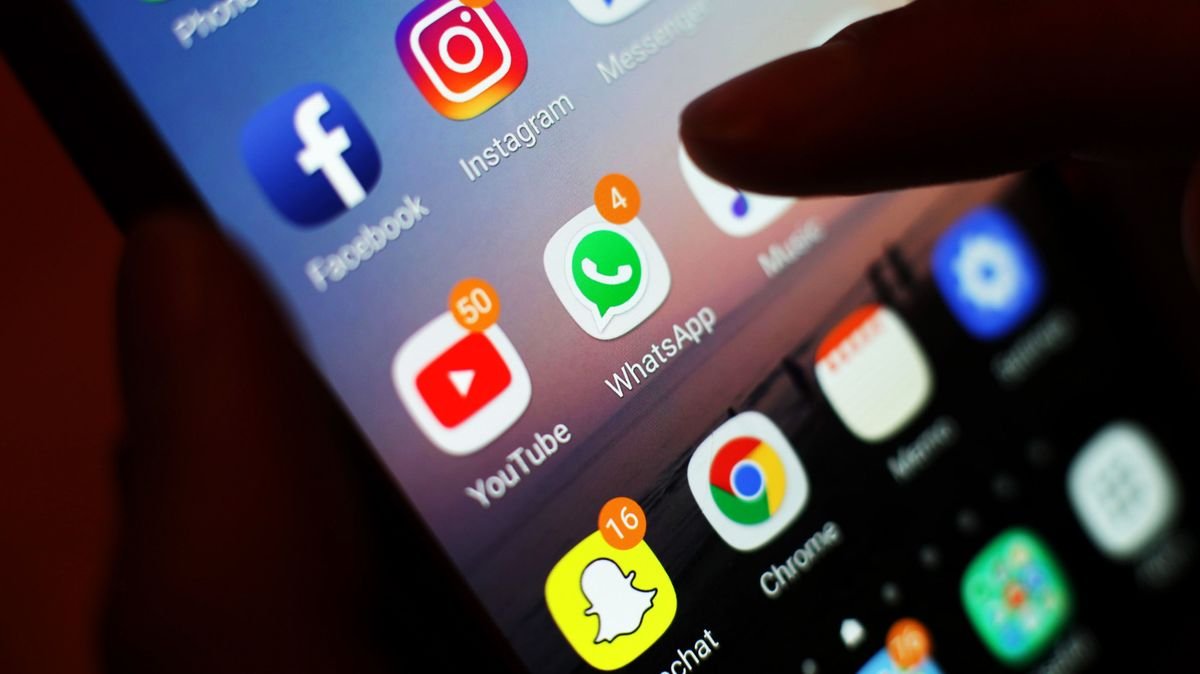

Children under 16 will soon face a social media ban to enhance their online safety. The new regulations, set to be in effect by Spring next year, will prevent youngsters from accessing popular platforms such as Snapchat, TikTok, YouTube, Instagram, Facebook, and X. This initiative, following Australia’s lead, aims to address concerns raised by parents and officials regarding the exposure of young users to harmful content and risks like online bullying and grooming.
The government’s decision has received mixed reactions, with some families supporting the move due to tragic incidents involving children and social media, while others express concerns about potential feelings of exclusion among youngsters. The upcoming restrictions are part of a broader effort to tackle the negative impacts of unrestricted social media use on minors.
Educational tools like YouTube Kids and Google Classroom will remain accessible, as they are deemed safe for children. However, platforms with high-risk features like live-streaming and interactions with strangers will face limitations for users under 16. The government also plans to implement stringent age verification measures, including facial scans and ID checks, to ensure compliance with the new rules.
While the ban aims to protect children from harmful online content, there are ongoing discussions about additional measures like curfews on app usage and addressing privacy concerns. Critics argue that the ban may not solve underlying issues and could lead young users to seek unregulated platforms. Major tech companies have raised concerns about the potential negative consequences of blanket bans, advocating for more nuanced approaches to safeguarding young internet users.