


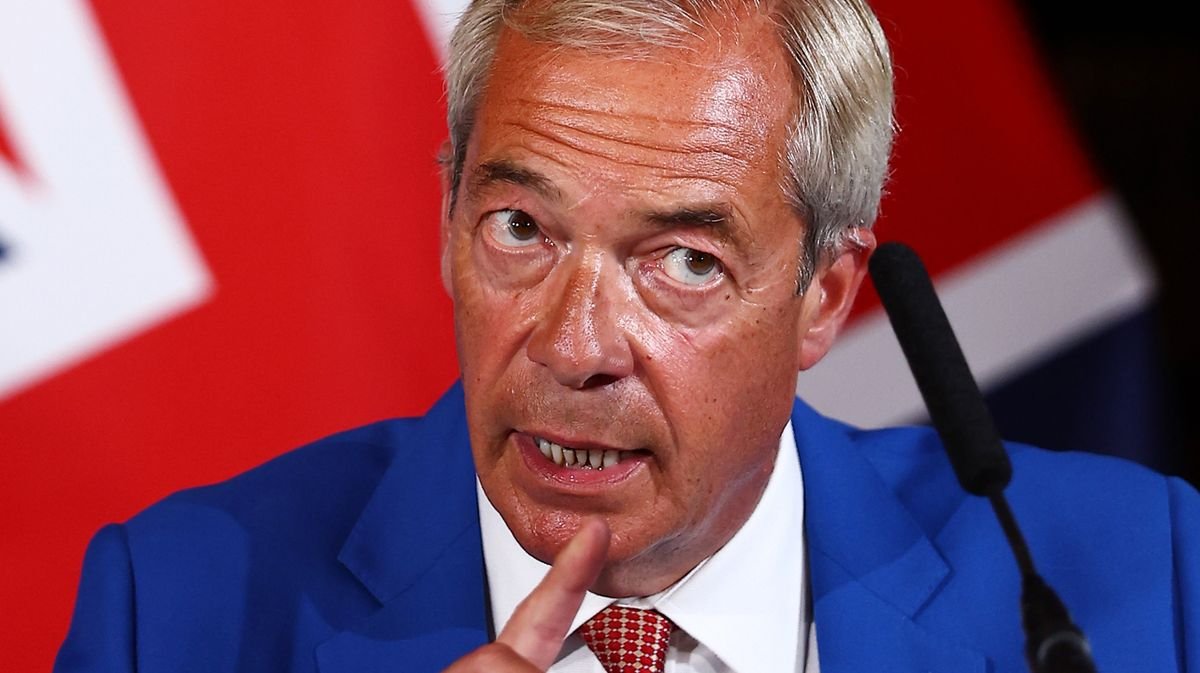

Nigel Farage’s controversial proposal to use the Royal Navy to prevent Channel crossings has been criticized as unfeasible and unlawful in an attempt to shift focus from corruption accusations.
The leader of Reform UK unveiled a 25-page plan to address the issue, suggesting navy intervention to intercept small boats crossing the Channel and return migrants to France and Belgium. However, France opposed the idea, citing it as a breach of sovereignty and maritime laws.
Despite the proposal, Downing Street and charities raised concerns about the effectiveness and potential risks associated with the plan. They emphasized that similar measures in the past had not deterred crossings and could lead to more fatalities.
Farage, facing declining poll ratings, staged a press conference to introduce the plan, which also included the revelation of secret discussions about his return as party leader. The proposal, named Operation Fortress, aimed to deploy navy vessels to curb illegal crossings.
Reform’s strategy involved using naval vessels and Border Force cutters to intercept and return individuals attempting dangerous boat journeys. While billed as a humanitarian response, critics, including the Refugee Council, warned that it could endanger more lives.
The plan stirred tensions between Britain, France, and Belgium, with Reform claiming it would not escalate to violence in the sea. Despite the controversy, Farage defended the proposal, asserting the need for national security and protection against potential threats.
The announcement of the policy followed a period of political setbacks for Farage, as polls indicated a decline in public approval and growing scrutiny over undisclosed financial dealings. If elected as an MP, Farage may face further investigation into a substantial monetary gift received prior to his political career.
The ongoing saga highlights the challenges facing Farage and his party, with accusations of impropriety and questionable alliances adding to the mounting pressure on the Reform leader.