



It has been 65 years since the Berlin Wall separated a city and country overnight.
Construction of the wall began on Aug. 13, 1961, with over 10,000 police and army personnel involved. The wall divided Berlin, creating a physical and ideological barrier between East and West Germany, disrupting communities, relationships, and political systems.
Prior to its eventual collapse 28 years later, at least 140 individuals lost their lives due to the wall, including escapees, bystanders, and border guards.
Hartmut Richter, who was trapped in East Germany with his family, expressed disbelief at the wall’s longevity, eventually escaping in 1966 by swimming across a river and later aiding others to flee East Germany.
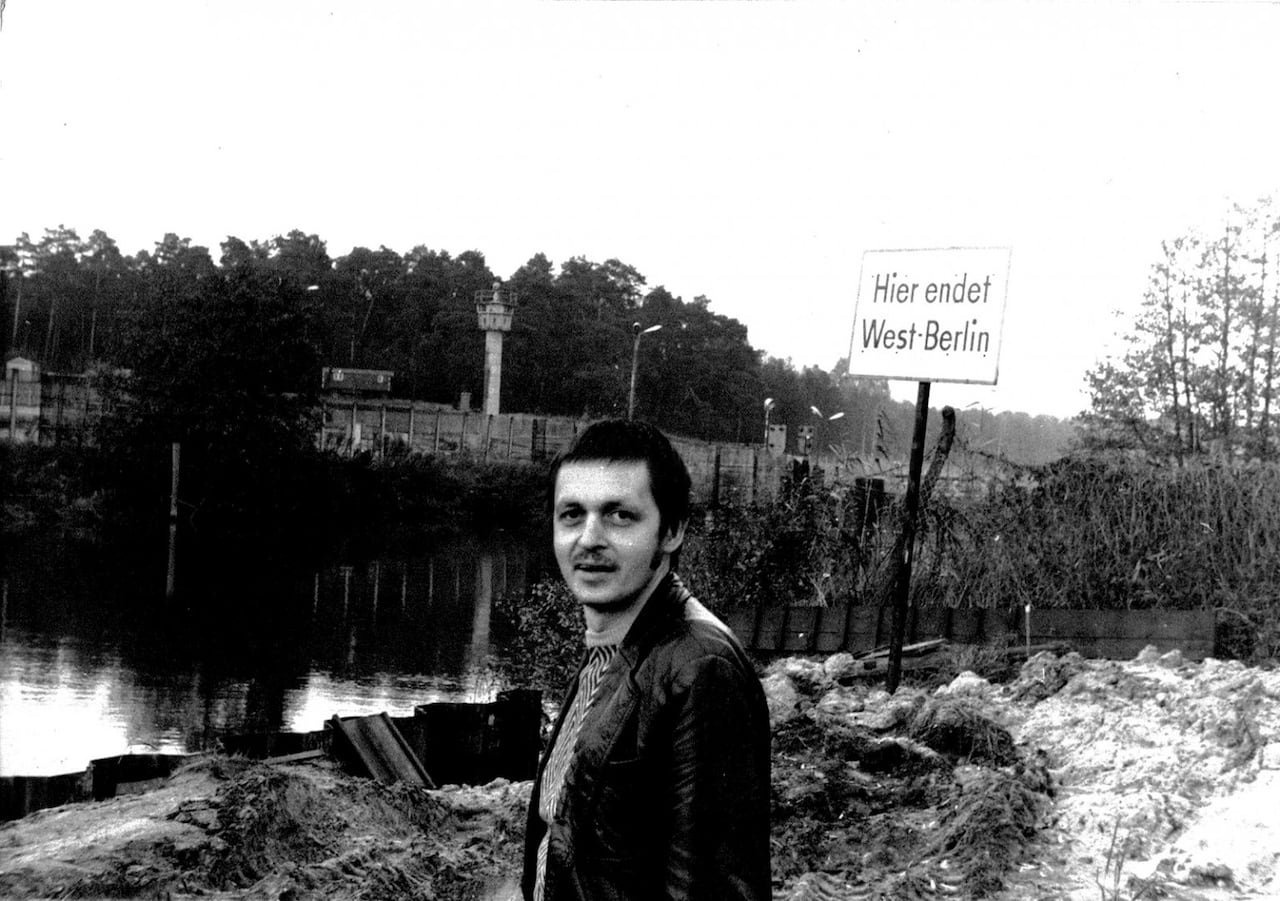
Decades later, Richter views his struggle for freedom as a cautionary tale, expressing concerns about the current state of freedom.
The upcoming state elections pose a significant challenge to freedom as the far-right Alternative for Germany (AfD) party gains momentum, exploiting historical divides between East and West Germany to advance radical agendas.
The rise of AfD has been linked to economic disparities, demographic changes, and societal grievances in eastern Germany, emphasizing the party’s divisive impact on German society.
Polls indicate AfD’s potential victory in the upcoming Saxony-Anhalt state election, highlighting a shift towards far-right ideologies in the region.
If successful, AfD’s ascent to power could have unprecedented consequences, threatening Germany’s democratic fabric and societal unity.
The party’s nationalist policies and anti-immigration stance have stirred controversy, fueling concerns about its compatibility with democratic values.
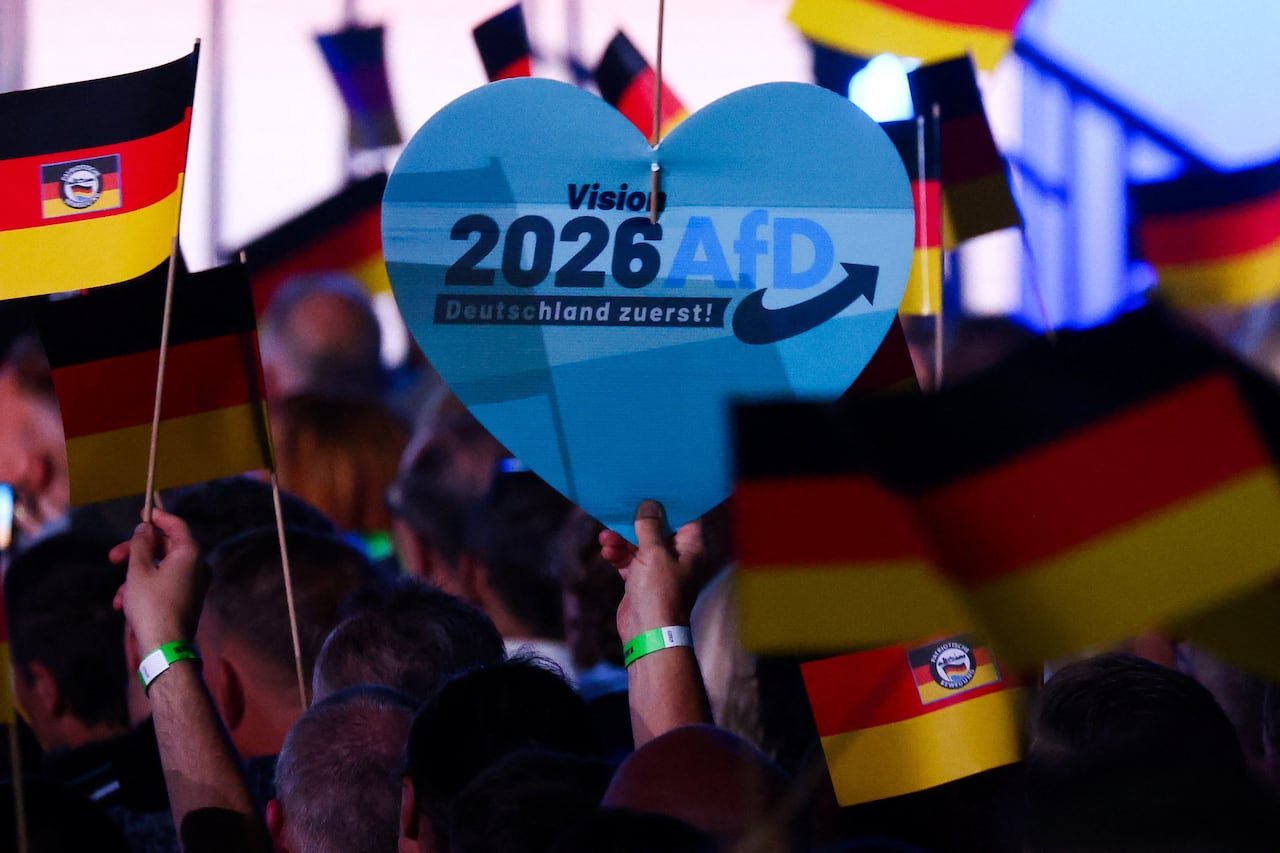
AfD’s controversial stances, including advocating mass deportations and challenging established norms, have raised alarms within Germany and internationally.
Concerns about AfD’s far-right leanings and potential impact on governance have sparked debates about safeguarding democratic principles and cultural diversity.
Divisions Driving Political Shifts
Despite the fall of the Berlin Wall in 1989, enduring disparities between East and West Germany persist, influencing societal norms and political attitudes.
Recent elections have showcased AfD’s ability to exploit regional divides and historical grievances to mobilize support and challenge mainstream political narratives.
The party’s emphasis on east German identity and past grievances has resonated with voters, shaping the political landscape in regions like Saxony-Anhalt.