


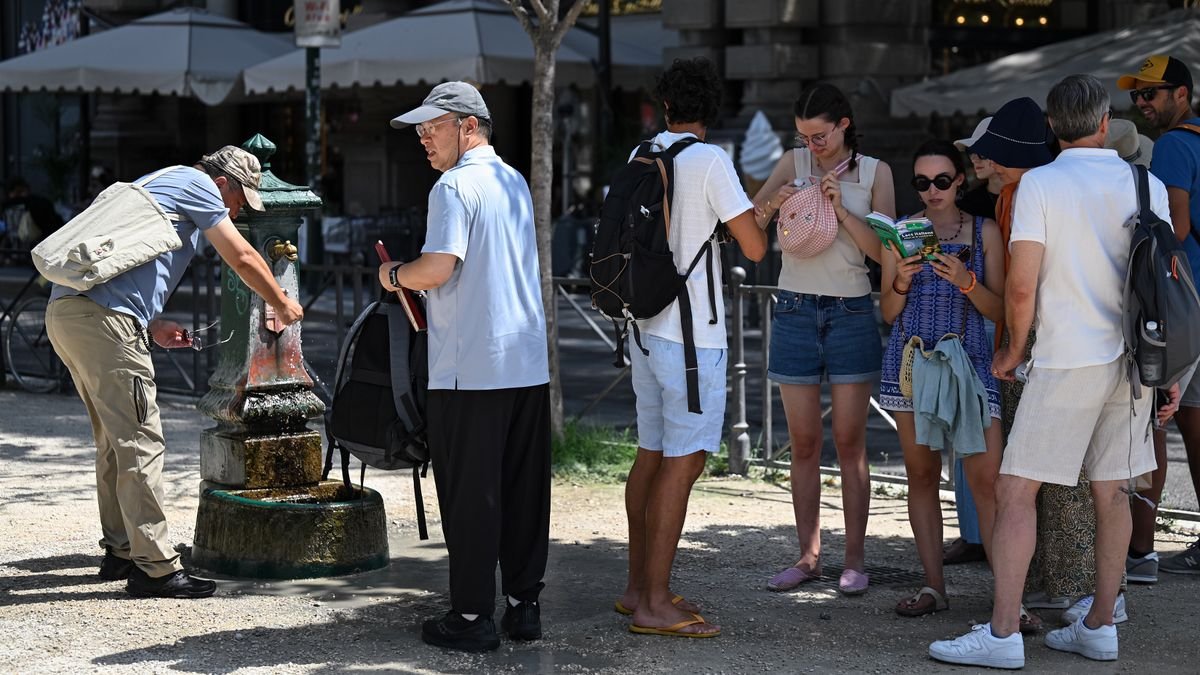

Italy is bracing for scorching temperatures as all 27 major cities in the country are poised to enter the highest heat alert level on Thursday. This impending heatwave, the fourth of the summer, threatens to reach 39 degrees Celsius.
This year marks the first instance where every city under Italy’s Health Ministry heat surveillance system has been placed on a maximum red warning status.
On Wednesday, authorities confirmed that 25 cities were already under the highest alert, with two more cities expected to join the list on Thursday.
In Italy, a red alert is activated when prolonged periods of extreme heat are projected to pose health risks to the entire population, increasing the likelihood of heat-related emergencies beyond vulnerable groups. Recent temperatures in various parts of the country have surged towards 40 degrees Celsius, prompting the implementation of public health measures to mitigate the hazards associated with the intense heat.
Citizens have been advised to avoid direct sunlight from 11 am to 6 pm, stay indoors when feasible, and consume a minimum of 1.5 liters of water daily.
Officials have also recommended refraining from consuming fizzy drinks, coffee, alcohol, and heavy meals, wearing light clothing, and ensuring children and pets are not left in parked vehicles.
Meteorologists predict that the high temperatures will persist for at least another week. The ongoing heatwave has been linked to four fatalities in recent days, including a 19-year-old agricultural worker and a 40-year-old carpenter in Lombardy. Additionally, a security guard in Bologna is believed to have succumbed to a heat-related illness.
The extended period of scorching weather has exacerbated drought conditions in the Po Valley, leading to water shortages in over 100 towns in Piedmont and Lombardy, with some communities relying on tanker deliveries for water supply.
Farmers have reported decreased crop yields, accelerated grape ripening, and a 10% reduction in milk production due to dairy cows consuming less feed in the hot weather.
In Rome, authorities are offering complimentary access to air-conditioned cinemas and cultural sites, along with extended evening hours at the Colosseum and Pantheon.
Meteorologists have cautioned that relief from the heatwave is unlikely until next week.
Lorenzo Giovannini, an atmospheric physicist at the University of Trento, stated that the current heatwaves are surpassing typical levels in intensity and duration. He emphasized that the climate crisis is prolonging and intensifying these heatwaves.
Scientists have linked the increasing frequency and severity of heatwaves to human-induced climate change. Reports from the Copernicus Climate Change Service and the World Meteorological Organization indicate that Europe has warmed at a rate more than double the global average since the 1980s.