


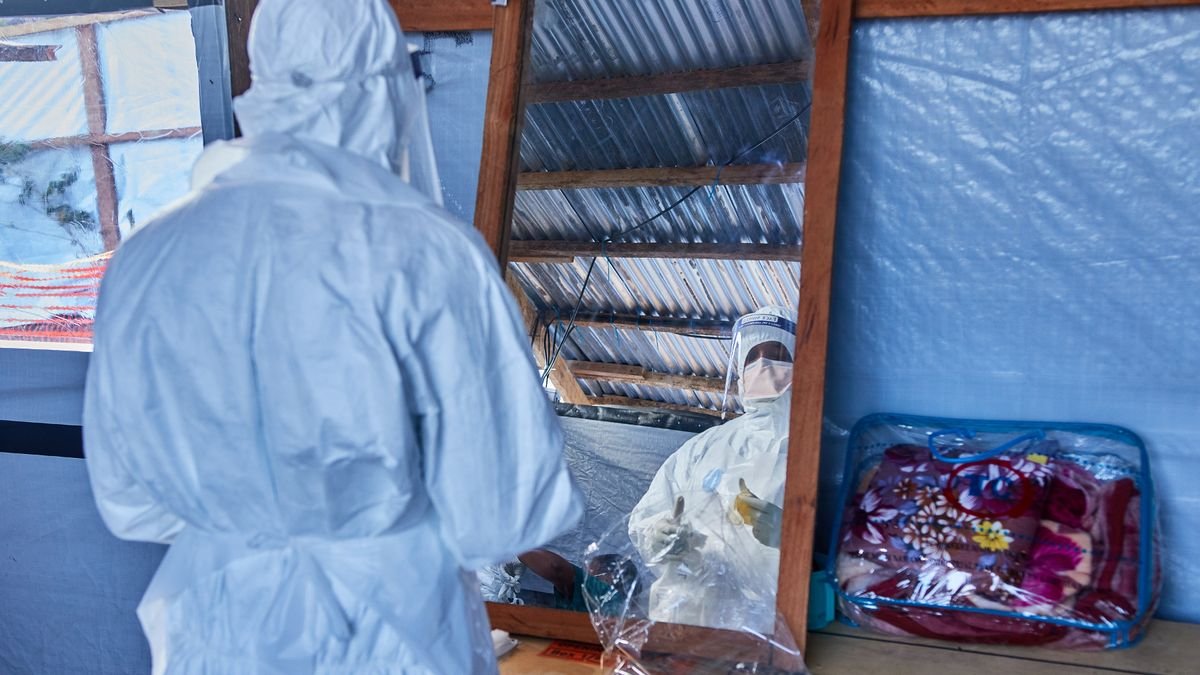

The ongoing Ebola outbreak is rapidly escalating, marking the most swiftly spreading occurrence in history, resulting in the death of over 750 individuals.
Eastern Congo has reported more than 2,000 confirmed cases, with over 750 fatalities. Additionally, suspected cases have surfaced in two other provinces, including Kisangani, a major city in the country, sparking concerns about the virus’s extensive reach.
The World Health Organization has disclosed that 80% of new cases are connected to unidentified transmission chains, complicating efforts to track and contain the virus effectively.
The specific source of the outbreak remains unknown. This outbreak is propelled by the Bundibugyo strain of Ebola, for which there are currently no approved vaccines or treatments, posing challenges for health officials in combating its spread. However, research is underway on two potential treatment options.
The escalating outbreak is straining the region’s already fragile healthcare system. Recent strikes by unpaid staff at key health centers have further impeded efforts to address the crisis, with workers demanding timely payment.
Amid these challenges, the outbreak’s impact is exacerbated by the region’s existing limitations in infrastructure, ongoing conflicts, and misinformation regarding the reality of Ebola.
Ebola transmission occurs through contact with infected animals, followed by person-to-person spread via bodily fluids. Symptoms include fever, vomiting, diarrhea, muscle pain, and in severe cases, internal and external bleeding.
To prevent further infections, authorities have restricted traditional funeral practices due to the virus’s postmortem transmission risk, though these measures have faced resistance from some local communities.
Recent research initiatives are evaluating two potential treatments for the Bundibugyo virus, offering hope for effective intervention. The trial aims to determine the efficacy of these treatments and involves enrolling patients to assess their impact.
While progress is being made in treatment research, the study’s completion and validation of effective treatments may require several months and a significant participant pool. Efforts are being made to expand the study to other locations to enhance treatment options.