


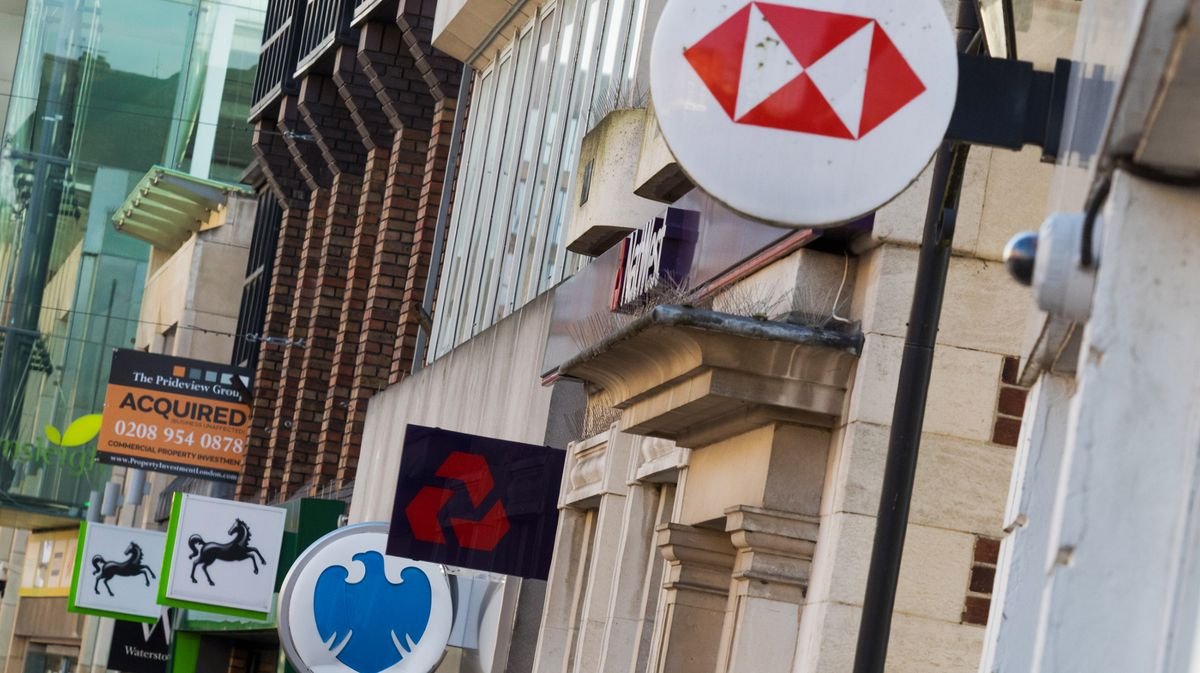

Pressure is mounting for Andy Burnham to impose a new windfall tax on major banks following a £29 billion profit surge. HSBC’s recent announcement of a significant profit increase to £14.5 billion has intensified calls for Prime Minister John Healey to target lenders in the upcoming Budget. Other leading banks like Lloyds Banking Group, Barclays, and NatWest have also reported substantial profits driven by prolonged higher interest rates, collectively accumulating over £29 billion in just six months.
The sustained high interest rates, fueled by the Middle East conflict and energy price shocks, have prompted the Trades Union Congress (TUC) to advocate for a windfall tax on banks to alleviate energy costs for UK households. The TUC proposes utilizing the tax revenue to establish a social tariff that could potentially reduce energy bills by up to £559 annually for low and middle-income families.
TUC General Secretary Paul Nowak emphasized the necessity of redistributing bank profits to mitigate the escalating cost of living, particularly amid the ongoing conflicts impacting energy prices. The TUC suggests increasing the current 3% surcharge on banks’ profits, potentially raising substantial funds to address pressing economic challenges. The advocacy group Positive Money projects that a windfall tax on major banks could generate significant revenue, enabling the government to implement various cost-saving measures for citizens and businesses.
HSBC’s latest financial results underscore a notable profit growth of 23%, amounting to £14.5 billion, with a substantial increase in net interest income. HSBC’s leadership highlighted the bank’s strategic progress and enhanced operational efficiency, positioning it as a resilient and customer-focused financial institution.
As discussions on imposing a windfall tax on bank profits continue, stakeholders urge government officials to prioritize economic policies that benefit the broader population facing financial strain amid global uncertainties.