


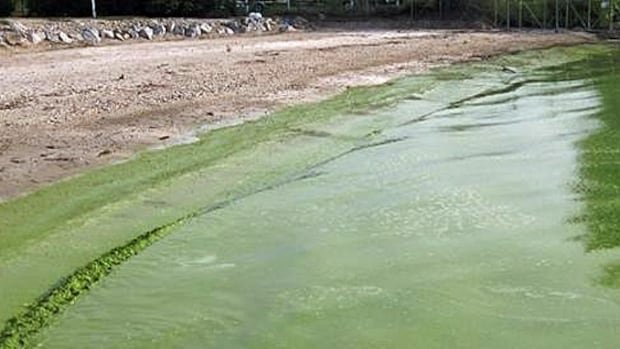

Researchers in Alberta are keeping a close eye on blue-green algae through a newly launched website that allows the public to track toxic algal blooms at six lakes. The Algal Bloom Tracker utilizes satellite imagery and lake sampling to provide real-time results on a user-friendly map.
Rolf Vinebrooke, an aquatic ecology professor at the University of Alberta, explained that the map is regularly updated with satellite images capturing the lakes’ conditions. This technology offers a comprehensive view of the entire lake, helping individuals identify areas affected by algal blooms and avoid them.
Blue-green algae, also known as cyanobacteria, can proliferate in nutrient-rich Alberta lakes during summer, posing health risks due to potential toxin production. Vinebrooke highlighted the dynamic nature of these blooms, which can emerge and dissipate rapidly. The satellite tracking system enables close monitoring of these occurrences, providing valuable insights compared to traditional sampling methods.
The Algal Bloom Tracker currently covers six lakes, including Ethel Lake, Lac La Biche, Nakamun Lake, Pigeon Lake, Sylvan Lake, and Wabamun Lake, selected based on varying bloom frequencies. Plans are underway to expand the tracker to approximately 50 lakes across Alberta within the next three years.
When excessive blue-green algae levels are detected in a lake, Alberta Health Services issues health advisories. Presently, over 25 advisories are in effect across the province, urging people to avoid contact with blooms and refrain from activities like swimming or consuming water from affected areas.
The Algal Bloom Tracker operates independently from official health advisories, serving as a resource for informed decision-making regarding water activities. While acknowledging the increasing bloom intensities over the years, Vinebrooke emphasized the importance of understanding the evolving patterns of blue-green algae in Alberta’s lakes.
The project’s website emphasizes the need to comprehend and address the impacts of harmful algal blooms on recreation, tourism, property values, and indigenous communities. By providing crucial data on bloom occurrences, the initiative aims to support various stakeholders in mitigating these environmental challenges.