


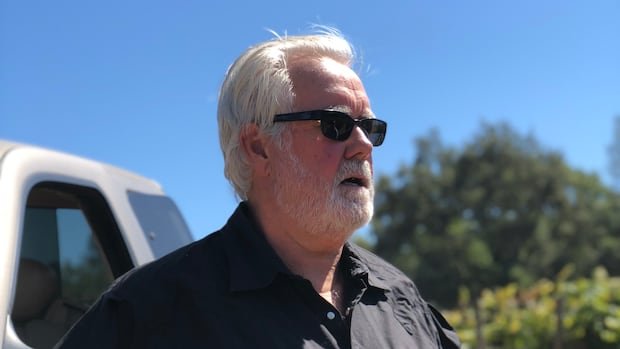

Winemaker Bill Easton used to have regular shipments of Syrah wine to Montreal but faced disruptions when Quebec stopped selling American alcohol. Now, he pays $1,200 every four weeks to store his wine while waiting for sales to resume. Easton, who owns Terre Rouge Wines in California, expressed frustration at being caught up in international trade negotiations, labeling it as a misuse of leverage.
Canadian provinces halted U.S. alcohol distribution due to tariffs imposed by President Trump. Prime Minister Mark Carney urged provinces to reconsider to prevent new tariffs on Canadian goods. Some premiers are open to reinstating U.S. alcohol sales, while others remain cautious, not wanting to lose leverage in the trade dispute.
The U.S. has expressed discontent over the ban, impacting products like California wines and Kentucky bourbons. The Oregon Wine Growers Association emphasized the need for a long-term solution to rebuild relationships with Canadian buyers. Trade data showed a significant decline in U.S. wine exports to Canada, affecting American wineries.
Despite the potential for U.S. alcohol to return to Canadian shelves, many Canadians vow to continue boycotting American brands. Some companies, like Phillips Distilling, have already relocated production to Canada. Industry groups stress the importance of trust-building for sustained trade relationships.
CEO Chris Swonger of the Distilled Spirits Council of the United States called for a negotiated solution to restore American spirits to Canadian markets. For Easton and other affected businesses, the bans have resulted in substantial financial losses. While hopeful for a resolution, Easton remains cautious about the future of his business in light of ongoing trade tensions.