


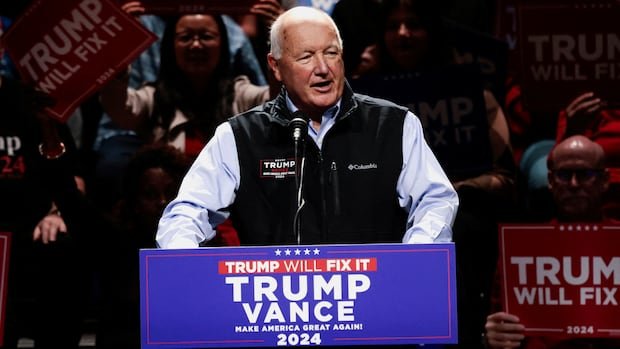

The conduct of the U.S. ambassador to Canada has caused significant discontent among many Canadians. A petition signed by over 225,000 Canadians urges the House of Commons to declare Pete Hoekstra persona non grata, a rare diplomatic measure to expel an ambassador. However, former Canadian diplomat Jeremy Kinsman believes Hoekstra’s actions, while not meeting the threshold for such drastic action, reflect poorly on the Trump administration’s messaging.
Kinsman emphasizes the importance of distinguishing between the message and the messenger in diplomacy. He criticizes Hoekstra for conveying frustration and hostility towards Canada in an undiplomatic manner. The U.S. Embassy has refrained from commenting on the petition.
Meanwhile, American diplomats like John Dinkelman express concerns over the Trump administration’s approach to diplomacy. Dinkelman stresses the need for diplomats to engage respectfully with host countries to achieve mutual understanding and cooperation. However, the trend of appointing politically aligned ambassadors without diplomatic experience has raised eyebrows in diplomatic circles.
The situation is not unique to Canada, as other countries have faced similar challenges with U.S. ambassadors. Instances of diplomatic friction have occurred in France, Belgium, and Israel, where ambassadors’ statements have sparked controversy and strained relations with host governments. The absence of U.S. ambassadors in key positions globally has further complicated diplomatic efforts, with vacant roles in critical regions like Africa and the Middle East.
The reliance on special envoys, including private citizens like Jared Kushner and Steve Witkoff, to conduct sensitive foreign affairs missions has raised concerns about transparency and diplomatic protocol. Critics argue that sidelining career diplomats from crucial decision-making processes undermines traditional diplomatic practices and erodes trust in U.S. foreign policy.
Despite these challenges, the role of professional diplomats in shaping international relations remains paramount, with calls for a more inclusive and strategic approach to diplomatic appointments and negotiations to restore credibility and effectiveness in U.S. foreign policy.