


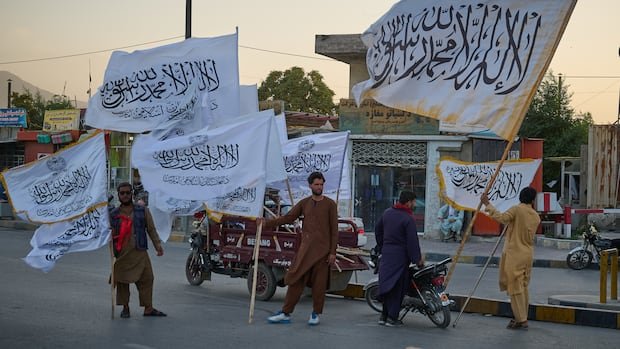

Five years ago, Abdul Razaq Khan, a former translator and guide for Canadian media during the Afghan conflict, received a late-night message from one of the journalists he had escorted in Kandahar. At that time, he was residing in Kabul, having moved on after Canada’s withdrawal from Afghanistan to work at USAID. In the summer of 2021, as the Taliban advanced on Kabul, Khan was asked if he was safe, to which he expressed the dire situation.
Now settled in Canada after leaving Afghanistan on foot just before the Taliban’s takeover, Khan reflects on the loss of his job, home, and country. His work with Canadian media, including The Canadian Press, CTV News, and Postmedia, made him a target. The fate he faced is shared by many Afghans who worked with journalists, military forces, and aid groups from the West.
The Taliban’s resurgence has not only displaced countless Afghans but also ushered in a repressive regime marked by the exclusion of women from public life, media censorship, and strict moral codes enforced through a dedicated ministry. Women, who were a focal point of Western policies during the conflict, have borne the brunt of these changes.
The Zan Times, an Afghan women’s rights group, has documented a surge in violence against women in Afghanistan, with little to no justice served. Their recent report highlights the lack of accountability in cases of female deaths labeled as suicides by the Taliban, often involving familial perpetrators.
Efforts to protect Afghan women’s rights post-Taliban takeover have been largely diplomatic, with Western nations resorting to travel bans and financial sanctions. Despite some humanitarian visa programs for high-risk Afghan women, challenges persist in ensuring their safety and rights.
An analysis by Local Staff International and AfghanEvac assessed how allied countries managed the evacuation and resettlement of Afghan personnel, revealing a scramble in both efforts. While Canada resettled over 60,000 vulnerable Afghans, including interpreters and their families, challenges remain in aiding those still under Taliban rule.
Former Canadian combat commander Denis Thompson acknowledged the resettlement efforts but emphasized the need to assist more vulnerable Afghans still in Afghanistan. The Allied Ledger report underscores the accountability owed to those who supported American and NATO forces during the conflict, urging nations to fulfill their promises in this critical chapter of history.