


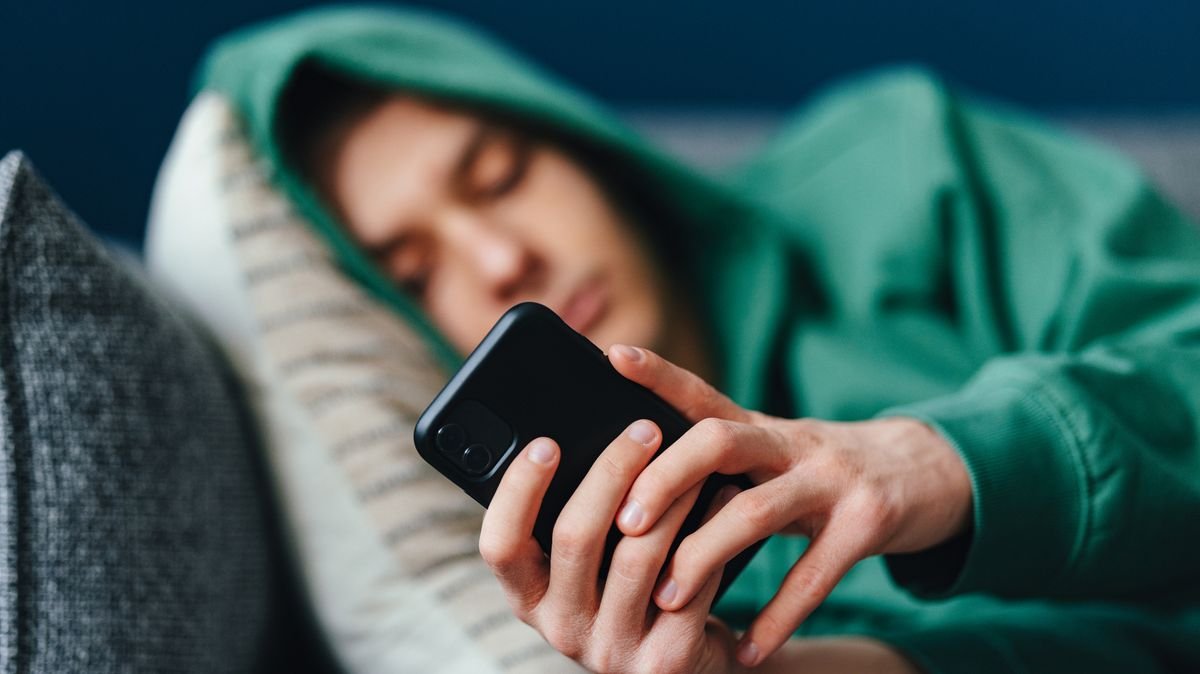

A recent survey suggests that a majority of teenagers are likely to opt out of a proposed overnight curfew on social media set to be implemented next spring. Under the new online safety regulations announced last month, teenagers aged 16 and 17 will be automatically restricted from accessing social media platforms between midnight and 6 am.
According to research conducted by Censuswide, 84.6% of 16- to 18-year-olds indicated they would choose to disable the curfew. Among those surveyed, 45.2% mentioned they would disable the curfew to communicate with family or friends, while 37.2% cited the desire to watch online content as a reason.
The study also revealed that 38% of teenagers in the same age group are already using Virtual Private Networks (VPNs) in their daily lives, with 24% planning to utilize VPNs to circumvent the curfew restrictions. VPNs enable users to conceal their location or details to bypass UK online safety regulations.
The introduction of online curfews and restrictions on addictive design features by Keir Starmer aims to safeguard older teenagers online while still granting them control over their settings. However, the government emphasized that these measures would be voluntary to strike a balance between providing teenagers with enhanced online safety measures and empowering them to manage their own settings.
Regarding social media usage habits, the survey found that nearly 40% of teens aged 16 to 18 use social media between 9 pm and 11 pm, with 35% continuing to browse between 11 pm and 1 am. Leanne Proctor, regulatory lead at the Online Responsibility Network, noted that a curfew alone may not be sufficient to prevent online harms, emphasizing the importance of design feature-level protections and robust age verification processes.
Former Technology Secretary Liz Kendall, who was succeeded by Andy Burnham, announced the implementation of measures such as disabling infinite scrolling and setting up overnight curfews for 16 and 17-year-olds. Additionally, autoplay videos and personalized content feeds will also be deactivated by default.
While some advocate for a complete social media ban to combat online harms, others caution against its effectiveness, suggesting that teenagers may find ways to bypass the restrictions or venture into darker online spaces. The government assured that young people will have the freedom to make choices as they mature, with 64% of 16- to 21-year-olds supporting nighttime restrictions on specific apps.
In conclusion, the findings suggest that while overnight curfews may form part of teenagers’ daily routines and contribute to improved sleep and concentration, it is essential to offer default protections while allowing older teenagers the autonomy to assess the suitability of these safeguards for their individual circumstances.