


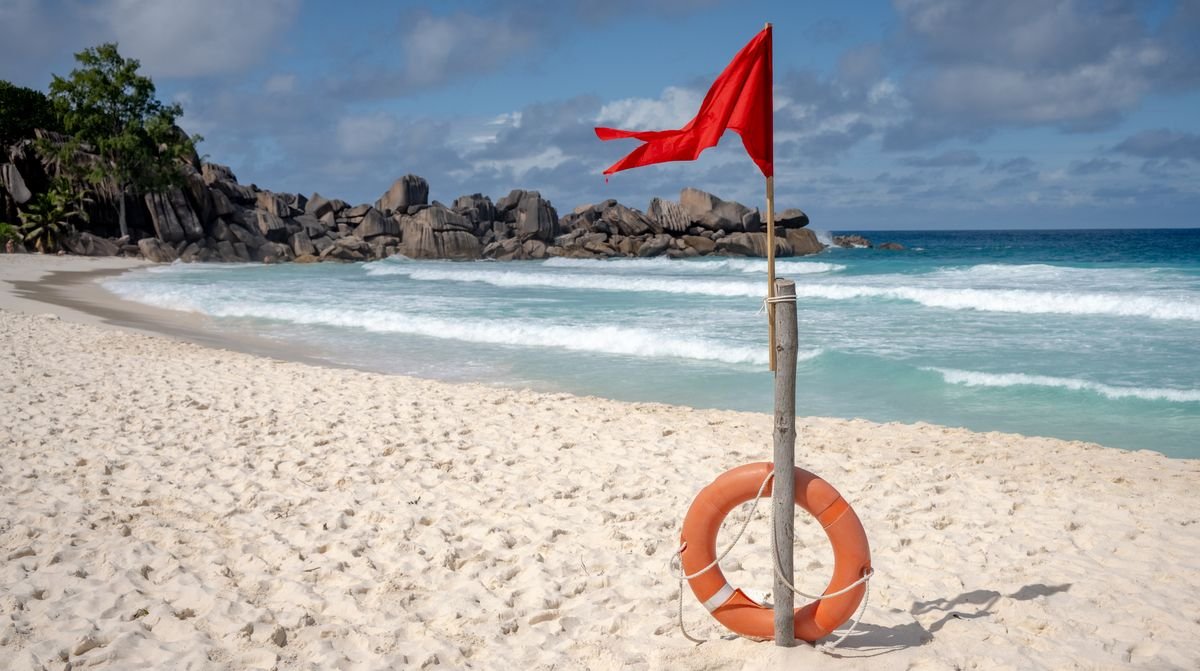

Visiting the beach or taking a dip in the ocean while on vacation is a popular tourist activity. However, water activities come with inherent risks, including the potential for accidents or fatalities.
Popular holiday destinations like Spain, Turkey, and Greece provide warnings on the official GOV.UK Foreign Office website to advise travelers about swimming abroad. The Foreign Office emphasizes the annual occurrence of drownings in both the sea and swimming pools.
Travelers vacationing with young children are urged to closely supervise them around pools and ocean waters, even if the children are proficient swimmers or if lifeguards are on duty. The Foreign Office emphasizes that unexpected situations can arise suddenly, even for experienced swimmers.
The Foreign Office’s guidance highlights potential dangers at some beaches, particularly around Spanish islands, where strong undercurrents, hidden rocks, or shallow areas can lead to severe injuries or fatalities. It advises against diving into unfamiliar waters and swimming at beaches where rivers flow into the sea.
Most beaches, including those in tourist areas, utilize a color-coded flag system to indicate safety levels. These flags adhere to universal guidelines and serve as clear warnings for beachgoers.
Beach lifeguards often display multiple flags simultaneously to signal various hazards. Different flags indicate water strength, the presence of marine life like jellyfish, and other potential dangers.
A red flag signifies unsafe water conditions, such as strong currents or rough surf, and indicates that swimming is not permitted. Two red flags together indicate complete closure of the water to the public.
Yellow flags warn of moderate surf or light currents, and while swimming is allowed, caution is advised, especially for weak swimmers or children.
Green flags indicate calm ocean conditions with low risk, signaling that the water is generally safe but swimmers should remain vigilant.
Purple flags alert beachgoers to the presence of dangerous stinging marine life, like jellyfish or stingrays, although they do not indicate the presence of sharks.
A black and white checkered flag designates an area reserved exclusively for non-powered watercraft, prohibiting swimming or bodyboarding to prevent accidents.
The red over yellow flag marks the safest beach area, actively monitored by lifeguards, ensuring a safer swimming environment for visitors.