


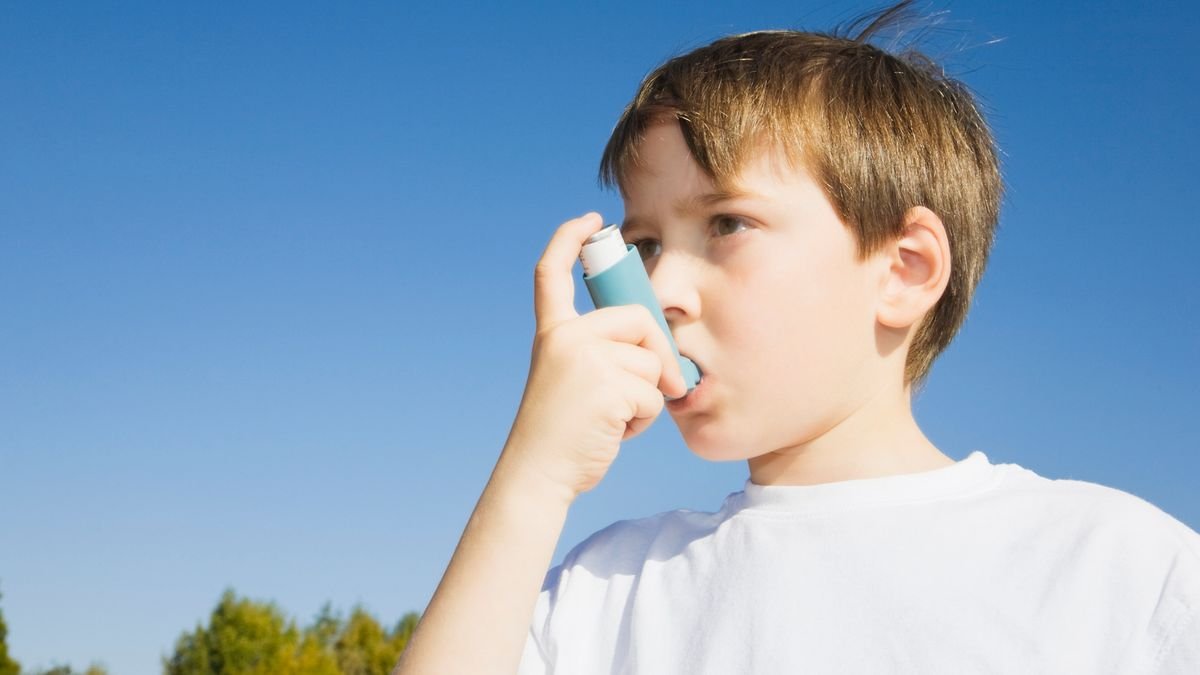

Children diagnosed with asthma are being urged by experts to maintain their inhaler usage even during school holidays to prevent life-threatening situations. Medical professionals have observed a spike in asthma attacks in September, attributed to a common practice among parents of reducing or discontinuing asthma medications during the extended summer break, especially in warm weather. Research indicates that children who stop taking their asthma medication during the summer are at a fourfold increased risk of hospitalization at the beginning of the school term.
Asthma, a respiratory condition affecting approximately one in every 11 children, manifests through symptoms like coughing, wheezing, and difficulty breathing. Parents should be vigilant for signs of chest or stomach discomfort. In a recent awareness campaign, Louise Tipping, an NHS respiratory nurse at Birmingham Children’s Hospital, highlighted the surge in asthma attacks post-summer holidays due to disrupted medication routines. Tipping emphasized the importance of adhering to asthma medication schedules, particularly the use of preventer inhalers, to ensure optimal protection before returning to school.
Official statistics from Asthma + Lung UK revealed a significant surge in hospital admissions for asthma attacks among children aged five to 14 in September compared to August. The data pointed out a substantial increase in hospitalizations among five to nine-year-olds (370%) and 10 to 14-year-olds (307%) during September, with boys in this age group being disproportionately affected compared to girls.
Asthma & Lung UK echoed the message, underscoring the need for children to adhere to their prescribed asthma medications throughout the summer to maintain proper asthma control when school resumes. The organization emphasized the importance of establishing medication routines well in advance of the school term to ensure adequate protection against asthma attacks.
By prioritizing consistent asthma management, children can mitigate the risk of severe asthma exacerbations during the transition back to school routines.