


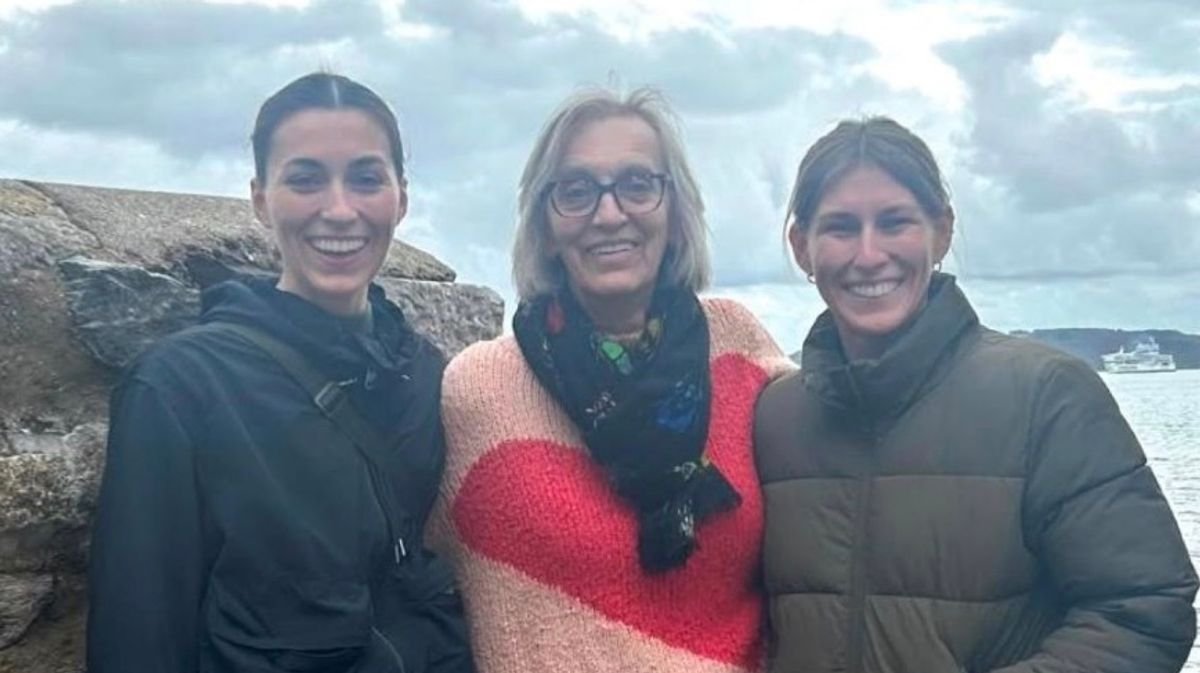

A mother from the UK has made history by being the world’s first recipient of a novel vaccine aimed at enhancing lung cancer treatment. Chris Jones, aged 68, underwent the vaccination utilizing cells from her own tumor to develop a synthetic DNA, with the goal of enhancing the effectiveness of immunotherapy. Engaging in a clinical trial at the Clatterbridge Cancer Centre in Liverpool, Chris has advanced non-small cell lung cancer, a prevalent form of lung cancer. Despite some positive effects from immunotherapy, it has not been entirely successful for her.
Dr. Carles Escriu, a medical oncology consultant involved in the trial, expressed enthusiasm about the progress, calling it a significant advancement. Approximately half of the patients treated face challenges where the cancer eventually becomes resistant to immunotherapy after an initial response. The aim is to strengthen the immune system to achieve a sustained response.
Chris willingly joined an early-stage clinical trial in hopes of prolonging her life and aiding future patients. Recalling the loss of her daughter to secondary breast cancer nearly a decade ago, she highlighted the importance of such trials. In about six weeks, Chris will undergo scans to assess the vaccine’s impact, aiming for tumor reduction to continue her fight against the disease.
Tailored specifically for Chris, the vaccine was created using synthetic DNA derived from mapping her cancer’s DNA obtained from a tumor biopsy. Dubbed “doggybone” due to its unique structure, this DNA is faster and more cost-effective to produce compared to standard bacterial DNA, making personalized vaccines more feasible for healthcare systems like the NHS.
Collaboration between the University of Liverpool, Clatterbridge Cancer Centre, NHS Blood and Transplant, and specialized genetics and immunotherapy firms led to the development of the vaccine. The study, involving only ten participants who will receive seven doses over 24 weeks, aims to enhance care for patients with advanced lung cancer, targeting tumors that have previously evaded detection.
Professors Christian Ottensmeier and Natalia Savelyeva, co-leading the trial, aspire to revolutionize cancer vaccine utilization in advanced lung cancer by helping the immune system identify and combat elusive tumors. This groundbreaking research could pave the way for new approaches in treating advanced lung cancer through vaccines.