


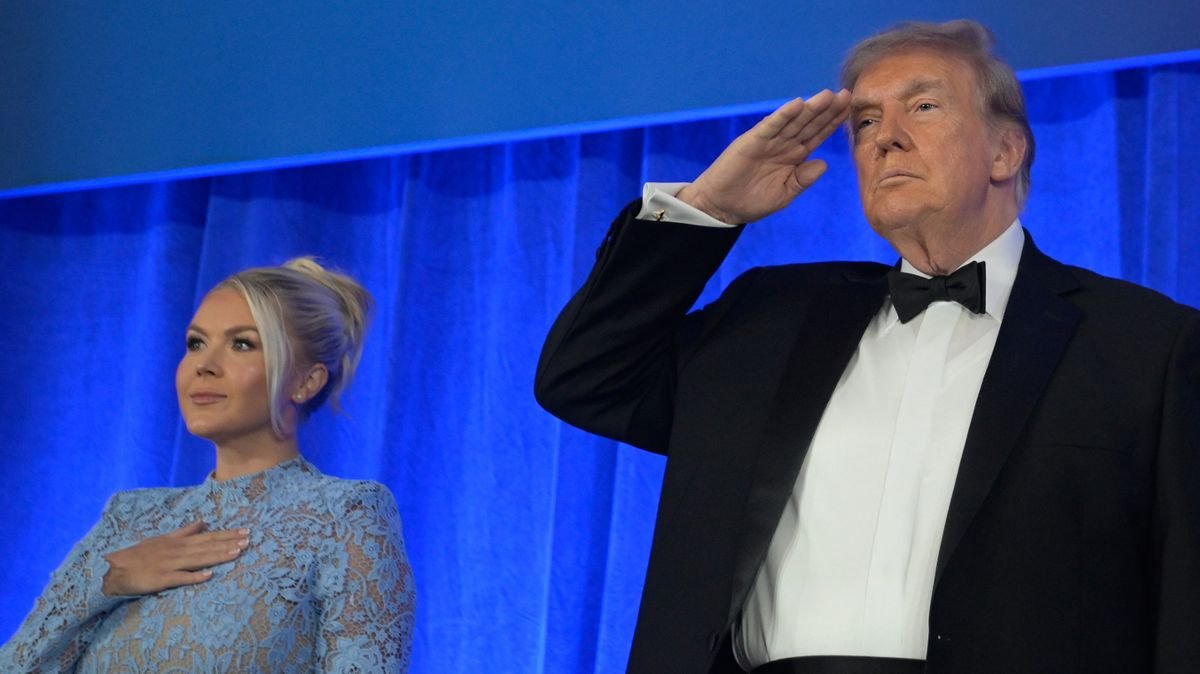

President Donald Trump has taken a unique approach to dealing with international adversaries by considering the reimplementation of tariffs, citing forced labor practices and contaminated lettuce as justifications. Additionally, there are reports of his attempt to appoint controversial figures to key positions, including suggesting Gianni Infantino, the President of FIFA, for the role of UN Secretary-General.
Furthermore, Trump and Senator Marco Rubio have reiterated their threats of potential war crimes against Iran, particularly in response to incidents in the Strait of Hormuz. The administration’s escalating involvement in the conflict has already incurred significant costs, with Secretary of War Pete Hegseth requesting additional funding from Congress to sustain military operations.
Amidst these developments, Trump’s inclination towards branding various entities after himself, such as Penn Station in New York City, has stirred public discourse. The President has also been exploring the use of tariffs as a leverage tool, targeting countries like Canada and Mexico over various issues.
While Trump’s tariff strategies have faced legal challenges in the past, his recent actions signal a persistent pursuit of economic measures to assert dominance on the global stage. The uncertainties surrounding the enactment of these tariffs underscore the complexity of international trade relations under the current administration.