



A recent report has revealed that children from disadvantaged backgrounds lag behind their peers by nearly two years academically when they reach their GCSE exams. The Education Policy Institute (EPI) highlighted the widening gap in educational attainment between pupils from lower-income families and their more affluent counterparts in England, which has grown further post the Covid-19 pandemic.
Findings from the EPI report show that the academic disparity among young children has increased by 17% since before Covid-19, with disadvantaged students falling behind by an average of 19 months by Key Stage 4 and during their GCSE exams. Efforts to bridge this gap include the Department for Education’s initiatives to expand government-funded childcare and broaden eligibility for free school meals. The Mirror has been a vocal advocate for universal access to free school meals, supporting the government’s recent expansion under Sir Keir Starmer.
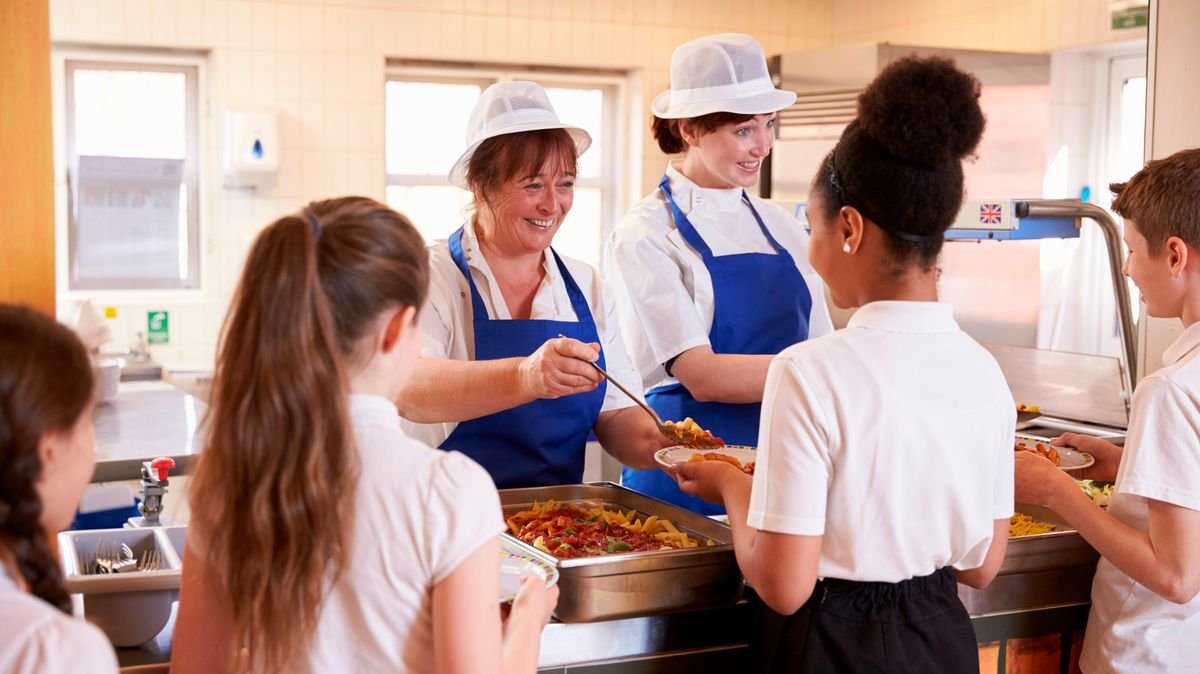
The necessity for free school meals for all primary school children is emphasized, particularly as around four million children in the UK are living in poverty, many experiencing food insecurity. The call to action is echoed by the Scottish and Welsh governments, which have implemented universal free school meal programs. It is argued that providing free meals at school would alleviate financial burdens on families, streamline eligibility processes, and offer every child an equal chance to thrive.
The government aims to halve the educational disadvantage gap by the time the current generation completes secondary school. The EPI study compared the academic outcomes of students eligible for free school meals with those who are not, noting disparities across gender, ethnicity, and special educational needs. While some progress was made in closing the gap post-pandemic, disparities have resurfaced at key educational stages.
Efforts to address these challenges include recommendations to enhance access to funded childcare and increase school funding for students eligible for free meals. Calls to reform testing procedures and assessments, particularly in primary and secondary education, are highlighted by education experts, emphasizing the need for a comprehensive approach to support all students.
In response to the report, the government reaffirmed its commitment to providing equal opportunities for all children, citing ongoing initiatives to address educational disparities and uplift disadvantaged children. Education Secretary Bridget Phillipson emphasized the importance of universal early years education to ensure equitable access to learning opportunities for all children.