


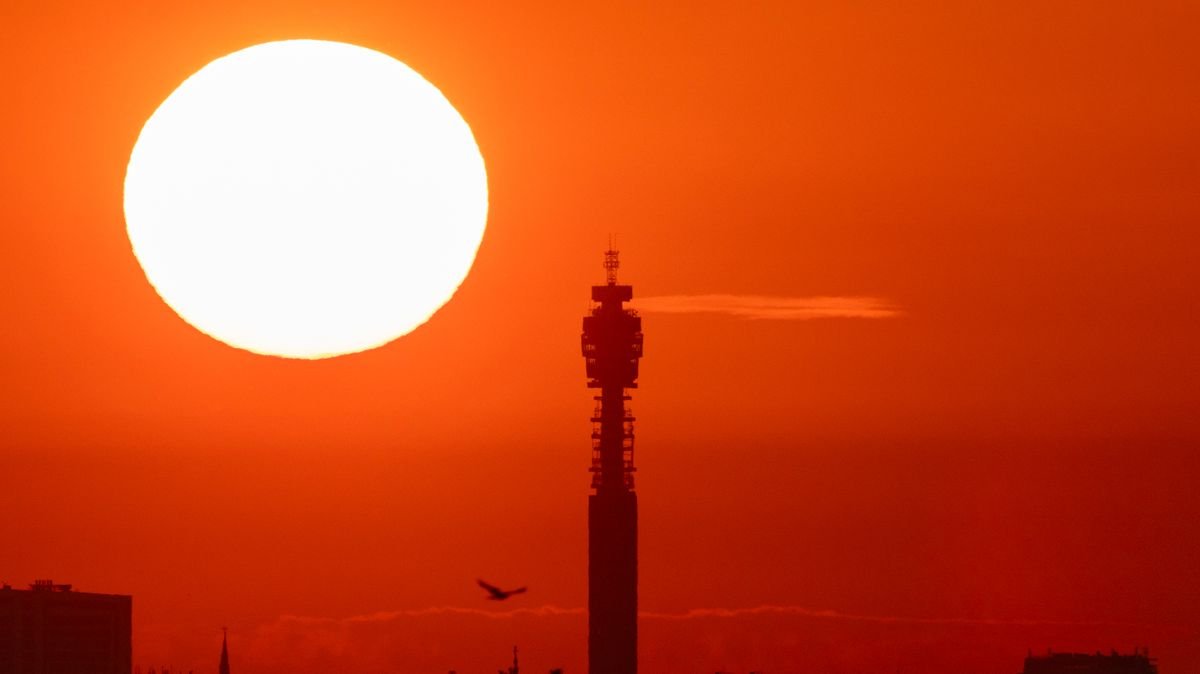

An event focusing on extreme heat was called off due to the extreme heat, showcasing a notable irony according to its organizers. The conference, scheduled for Wednesday at the Shaw Library at the London School of Economics (LSE) as part of London Climate Action Week, was canceled following a red weather warning issued by the Met Office for extreme heat in southern England, including London.
Titled ‘Extreme Heat: Improving Governance and Strengthening Action Around the World,’ the conference was a collaborative effort by LSE’s Grantham Research Institute and partners like the Zurich Climate Resilience Alliance. It aimed to address the global necessity to enhance governance related to extreme heat and evaluate various countries’ responses through governance, policy, adaptation measures, and the associated challenges.
This decision coincided with numerous school closures due to the anticipated extreme heat. A looming “heat dome” over western Europe is expected to push temperatures near 40C by Wednesday, potentially surpassing the UK’s June record set in 1976.
In a social media announcement, the Zurich Climate Resilience Alliance expressed regret over canceling the event to safeguard the well-being of participants and cited the lack of cooling systems in the venue and the adverse indoor conditions due to the extreme heat.
Experts like Professor Fredi Otto from Imperial College London warned that heatwaves will become more frequent and intense with ongoing emissions, stressing the unpreparedness of homes, infrastructure, and the economy for such conditions. Dr. David Dawson from the University of Leeds also highlighted the likelihood of more frequent and prolonged heatwaves and the potential risk of overheating in a significant percentage of UK homes by 2050.
According to a recent Met Office report, there is a high probability of surpassing current temperature records in the coming years. The report also indicates a substantial chance of global temperatures exceeding 1.5C above pre-industrial levels, with severe climate impacts looming if this critical threshold is breached, as outlined in the Paris Agreement.