


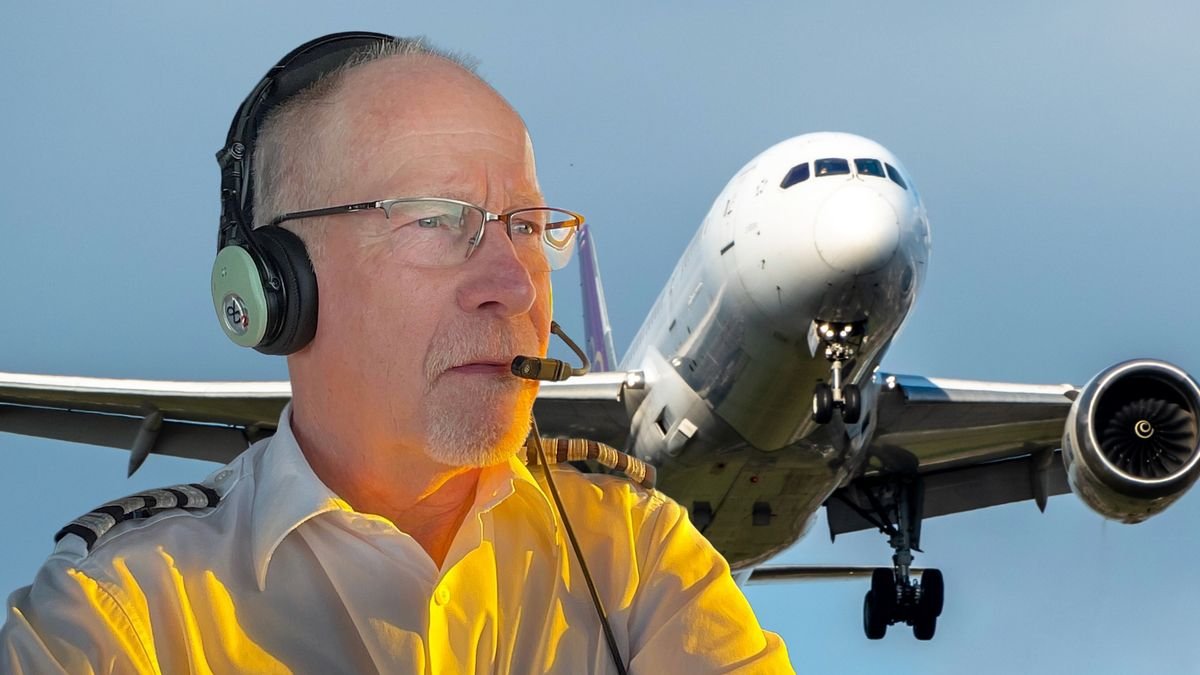

Flying can be a source of anxiety for many due to the fear of flying, or aviophobia. This fear often stems from feeling powerless in an unfamiliar environment, leading to a mix of anticipation and worry during flights. Seeking advice from fellow nervous flyers on platforms like Reddit or Facebook is common, but getting insights from experienced pilots is rare.
Fortunately, I had the opportunity to interview Simon Tranter, a pilot with extensive experience in both military and commercial aviation. Simon, now head of training at EmPower Flight, emphasizes that airline safety standards remain consistent across all carriers, regardless of ticket prices. He highlights that budget airlines often operate newer aircraft with advanced safety features, ensuring passenger safety is a top priority.
Additionally, I spoke with Dan Bubb, a former commercial pilot who now teaches aviation courses. Dan echoes Simon’s sentiments, emphasizing that all airline pilots undergo rigorous training and adhere to strict safety standards, regardless of the airline they work for. He reassures passengers that safety is paramount in the aviation industry, with multiple systems in place to handle various scenarios.
Addressing common concerns, Simon explains that aircraft are designed to withstand turbulent conditions, likening the experience to driving over cobblestones. He emphasizes the importance of wearing seatbelts during flights to prevent injuries. Moreover, both Simon and Dan debunk myths about plane doors and windows, highlighting the robust design of aircraft components to ensure passenger safety.
In terms of emergencies, pilots and cabin crew are extensively trained to handle challenging situations calmly and effectively. Simon emphasizes the comprehensive training pilots undergo, from initial medical clearances to simulator checks, ensuring they are well-prepared for any scenario. He shares insights into the structured protocols pilots follow during flights to maintain focus and vigilance.
Lastly, both pilots stress the safety measures in place to mitigate risks, such as avoiding severe weather conditions and handling bird strikes. They emphasize the importance of regular training, advanced technology like TCAS for collision avoidance, and the role of autopilot systems in assisting pilots during flights. Overall, they highlight the stringent safety culture in aviation to ensure passenger well-being and operational excellence.