


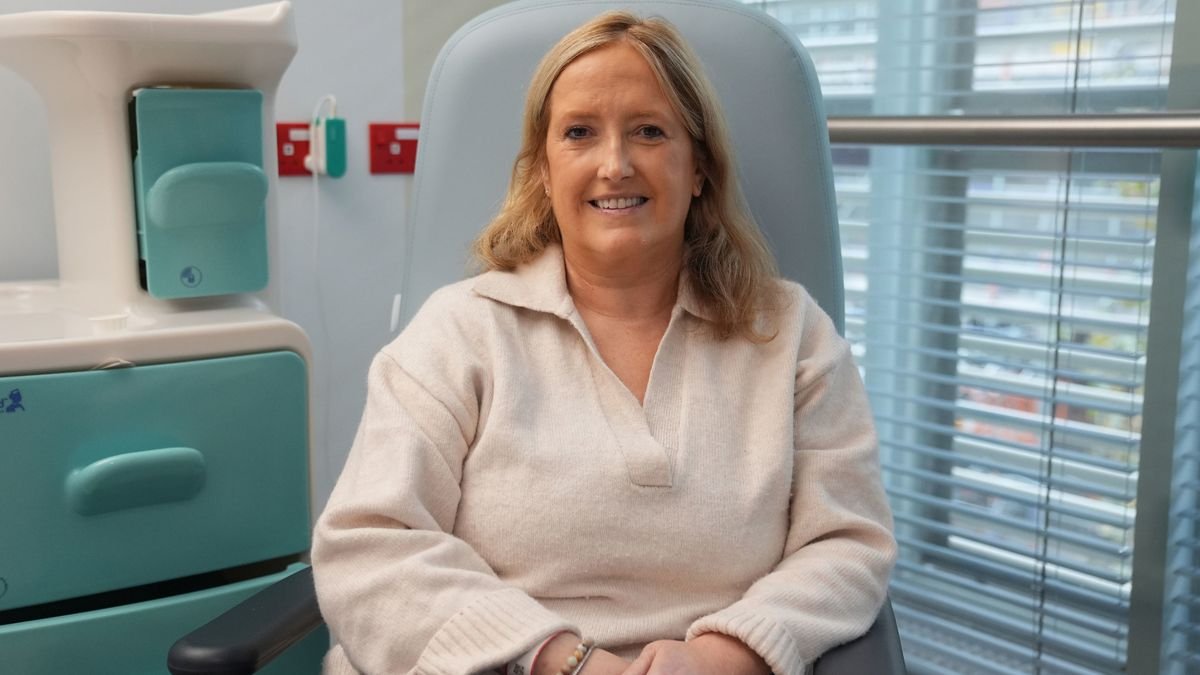

An innovative NHS treatment has made significant advancements in treating lupus, putting the disease into remission, as demonstrated by trials in the UK.
In a groundbreaking development, individuals with severe lupus in the UK have undergone treatment using CAR T-cell therapy for the first time. This therapy, administered only once, has the potential to transform treatment methods by eliminating the need for lifelong medication. Katie Tinkler, one of the initial recipients of this treatment, described the transformation in her life as “like night and day.”
Lupus is a chronic autoimmune condition where the immune system mistakenly attacks healthy tissues, leading to widespread inflammation and organ damage, affecting organs such as the kidneys, lungs, and heart.
CAR T-cell therapy functions by modifying cells genetically to empower the body’s immune system to identify and combat problematic cells. Traditionally used for cancer patients within the NHS, this therapy was trialed on severe lupus patients by the University College London Hospitals NHS Foundation Trust (UCLH) and University College London (UCL), resulting in remission for five out of six patients within a few months of treatment.
Katie Tinkler’s battle with lupus caused her intense pain and fatigue, compelling her to leave her job as a fitness instructor. The disease led to various health complications, including joint pain, kidney damage, lung and heart issues, and a propensity for blood clots. Thanks to the CAR T-cell therapy she received at UCLH, Katie is now in remission, free from the previous debilitating symptoms.
Following the treatment, Katie regained the ability to engage in activities that were once restricted due to her condition, such as skiing after a decade and dancing at her daughter’s wedding. She expressed her gratitude for the miraculous transformation, having discontinued all steroid treatments and other medications, now only requiring two daily tablets for blood clot prevention and blood pressure management.
Approximately 69,000 individuals in the UK are estimated to suffer from lupus, predominantly affecting women. The study involved nine patients with severe, active lupus unresponsive to conventional treatments. Six patients received a lower dose of CAR-T, while three received a higher dose for comparative analysis.
Post-treatment, patients exhibited significant expansion of CAR-T cells and notable reduction in problematic B cells. Over time, the reappearance of B cells, typically in early-stage forms, indicated positive progress in managing lupus-related issues.
Researchers suggest that the therapy promotes an “immune reset,” rather than mere immune suppression, a crucial aspect in addressing autoimmune diseases. Professor Karl Peggs, from UCLH’s biomedical research center, emphasized the groundbreaking nature of the findings, offering hope to lupus patients for potential cures pending further extensive studies.