


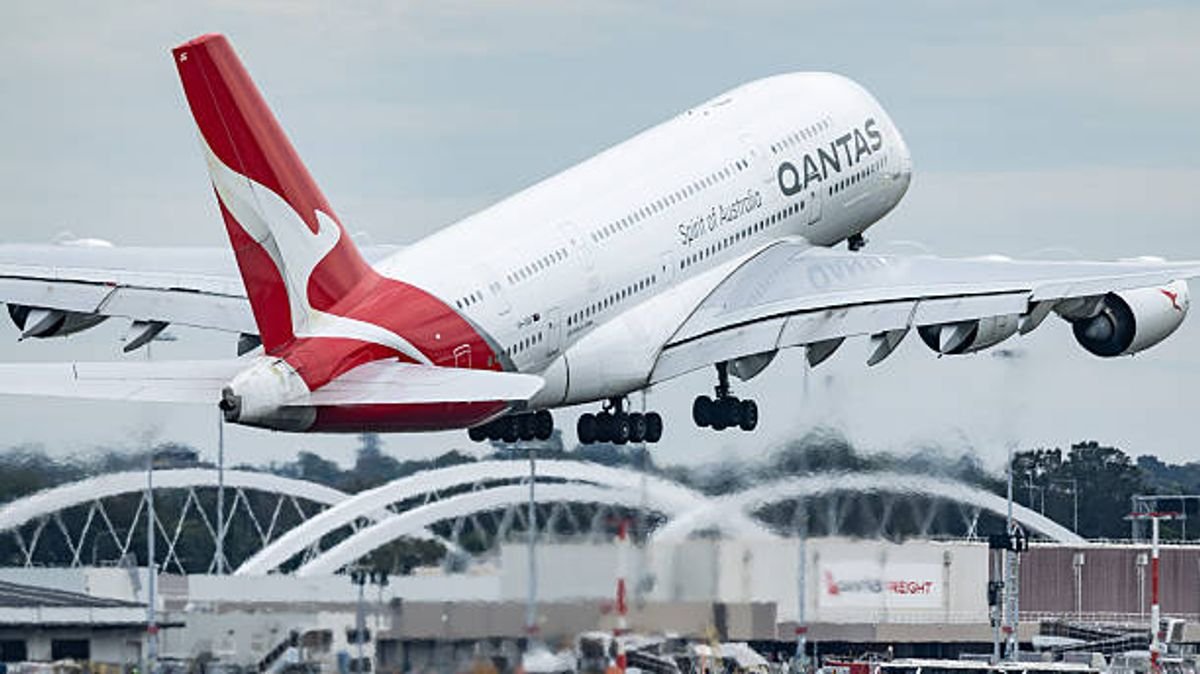

Hundreds of travelers in Australia and New Zealand found themselves stuck as various airlines encountered disruptions in their flight schedules. Qantas, Jetstar, Network Aviation, Alliance Airlines, Air New Zealand, and Sounds Air collectively dealt with 54 flight cancellations and 674 delays at prominent airports.
Data compiled from regional aviation trackers and airport boards highlighted a widespread disruption trend spanning across the Tasman region. Major hubs in Australia, notably Sydney, Brisbane, Perth, and Adelaide, experienced the most significant impact, with flights either canceled outright or departing significantly behind schedule, sometimes over an hour late.
Industry analysts noted that the disruption wasn’t isolated to a specific airline or aircraft type but rather showcased the intricate interconnectedness of the Australasian aviation network. The domino effect of a single delayed or canceled flight could affect multiple routes due to the network’s complexity.
Various factors contributed to the disruptions, including seasonal weather systems affecting runway capacity at key airports like Sydney and Auckland. Airlines struggled with limited staffing and aircraft availability, leading even minor technical issues or ground-handling delays to prompt last-minute cancellations. Moreover, the complexity of airline networks meant that disruptions in one carrier could leave passengers stranded or rerouted through unfamiliar airports.
On challenging days, travel operations often deviated from published timetables, emphasizing the dynamic nature of air travel.