


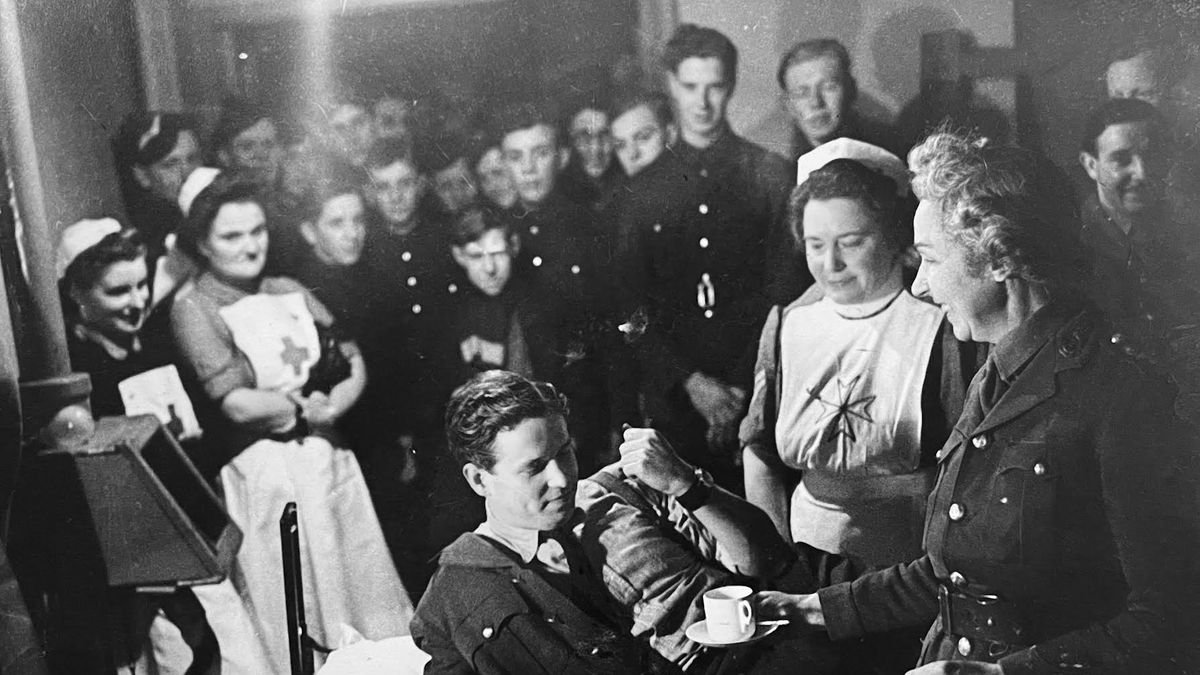

During World War Two, the Army Blood Transfusion Service developed life-saving techniques that continue to benefit society today. The efficient delivery of blood to wounded soldiers on the battlefield played a crucial role in saving thousands of lives.
Volunteers generously donated blood, leading to significant advancements in preserving donated blood. A new book titled “The Lifesavers” by historian Roderick Bailey applauds the remarkable achievements of the Army Blood Transfusion Service (ABTS) during that period.
Roderick, a historian from Thame, Oxfordshire, praised the ABTS as a highly effective transfusion service that saved countless lives. The service started with 5,000 donors in 1939 and grew to half a million by the war’s end, including men, women, and civilians from various backgrounds.
Under the leadership of Lionel Whitby, who lost a leg in World War One, the ABTS excelled in providing blood and plasma to troops across different regions. Whitby’s strategic use of plasma, rather than whole blood, proved to be more efficient and versatile in emergency situations.
The innovation of freezing and powdering plasma for easy transport and storage revolutionized medical practices. These techniques, once forgotten, have been reintroduced by the MOD and NHS, with dried plasma now being used to aid wounded soldiers in conflict zones like Ukraine.
The ABTS, predominantly led by women, played a pivotal role in the war effort, with Ethel Whitby being one of the first women to receive a commission in the Royal Army Medical Corps. The service’s impact extended to prisoner of war camps, where skilled individuals like Marten Reed saved numerous lives under harsh conditions.
Despite the invaluable contributions of the ABTS, challenges persist in ensuring an adequate blood supply for future crises. The need for preparedness in the face of global unrest remains a critical concern, emphasizing the importance of learning from the past achievements of the courageous individuals who served as “lifesavers” during World War Two.