


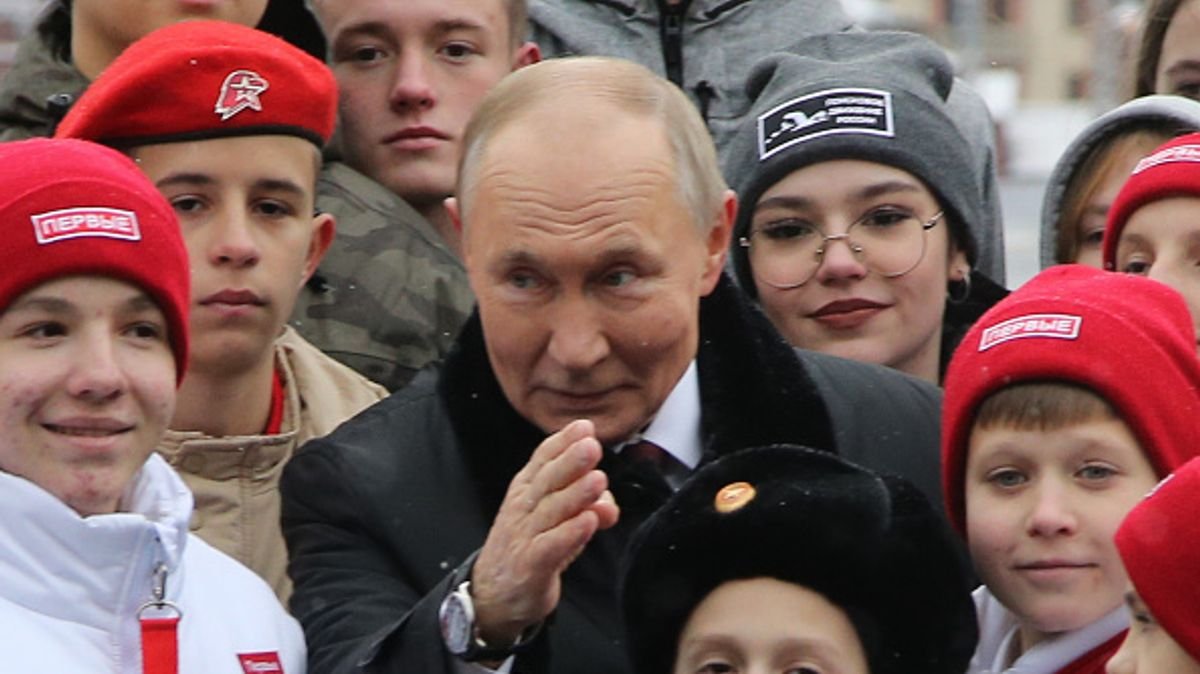

Plans are being considered in Russia to reduce the minimum working age to 12 and revive labor camps from the Soviet era to address the country’s worsening job crisis.
Olga Yaroslavskaya, the children’s rights commissioner in Moscow, has suggested this drastic measure to engage children in work activities during school holidays. She mentioned that most children are eager to work, particularly during the summer months.
Yaroslavskaya believes that these camps could offer employment options and structure for teenagers, especially those whose families cannot afford to keep them at home during the holidays. She expressed confidence that children would support the reintroduction of labor camps.
Under current labor laws in Russia, children can start working at the age of 14 with parental consent and can independently enter into labor agreements at 15.
In a press conference focused on child safety, Yaroslavskaya emphasized that teenagers aged 12 and above express a strong desire to work during the summer break. She advocated for allowing children to take up part-time jobs to earn some money and stressed the need for changes in federal labor regulations.
Reflecting on her own experience working in a Soviet youth camp, Yaroslavskaya mentioned the challenging tasks she undertook, highlighting the potential benefits of such programs for children.
Russian President Vladimir Putin is keen on addressing the country’s workforce shortage caused by economic sanctions and the impact of the conflict in Ukraine. The current unemployment rate is far higher than the 2% previously claimed by Putin, with the economy requiring about 1.5 million new workers.
The workforce crisis has been exacerbated by the departure of approximately 1 million young professionals who left Russia to avoid conscription following the conflict with Ukraine. The country has also suffered significant military losses, with estimates suggesting casualties of around 1.5 million troops in Ukraine.
Yaroslavskaya’s initiative to combat the impending job crisis is just one of the strategies being considered by the Russian government. The Ministry of Education in Moscow has introduced a compulsory summer reading list for students, focusing on narratives that glorify the ongoing conflict and the soldiers involved in the occupied territories.
Education Minister Sergey Kravtsov highlighted that the selected books promote patriotism and honor contemporary defenders of the nation, including those engaged in special military operations.