



Rescue teams in Nepal’s mountainous region are in a race to reach numerous workers who are feared trapped inside hydropower tunnels. This effort represents one of the last chances to locate survivors following a Himalayan flood that has claimed over 1,200 lives.
The catastrophic flood, initiated by a glacier collapse near the Nepal-China border, has caused widespread devastation in towns and valleys. The death toll stands at 1,204, with more than 4,200 individuals still unaccounted for.
Rescue operations are now focusing on hydroelectric project tunnels, where workers might have survived by seeking refuge in chambers equipped with air supplies. Approximately 900 missing workers are being targeted for rescue efforts.
Amshu Kiran Shahi, a board member of the Nepal Electricity Authority, expressed optimism about finding survivors in the tunnels due to the presence of food, water, and air supplies. While hopes of finding survivors elsewhere are diminishing, search and rescue operations persist along the mountainous terrain near the China border.
Prime Minister Balendra Shah affirmed the government’s commitment to continue search and rescue operations and support those affected by the disaster. Specialized rescue teams from India, China, and the United States are collaborating in the tunnel rescue missions.
China has reported an official toll of at least 21 dead and 541 missing in Tibet, with efforts now underway to access the disaster zone. Beijing is sending additional aid, including DNA identification experts and emergency supplies, to assist in Nepal’s relief efforts.
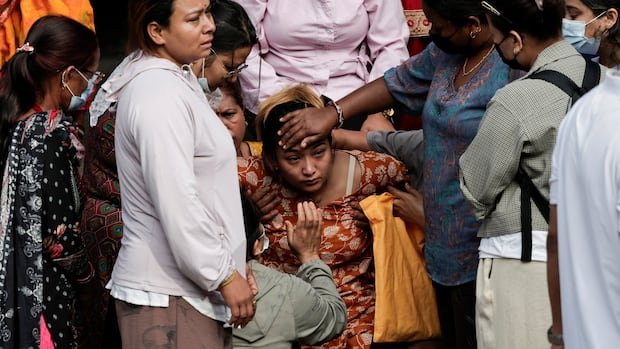
In Nepal, residents are grappling with the aftermath, salvaging what remains of their belongings in once-thriving communities. Children in affected areas are showing signs of psychological distress, having witnessed the traumatic impact of the floods.
Efforts are underway to restore power supply, telecommunication services, and transport links in the affected areas. The disaster has disrupted 431 megawatts of electricity generation capacity, with significant restoration progress reported by Prime Minister Shah. The government is also recognizing the sacrifices made by security personnel who worked to warn local residents, with some personnel tragically going missing in the process.