


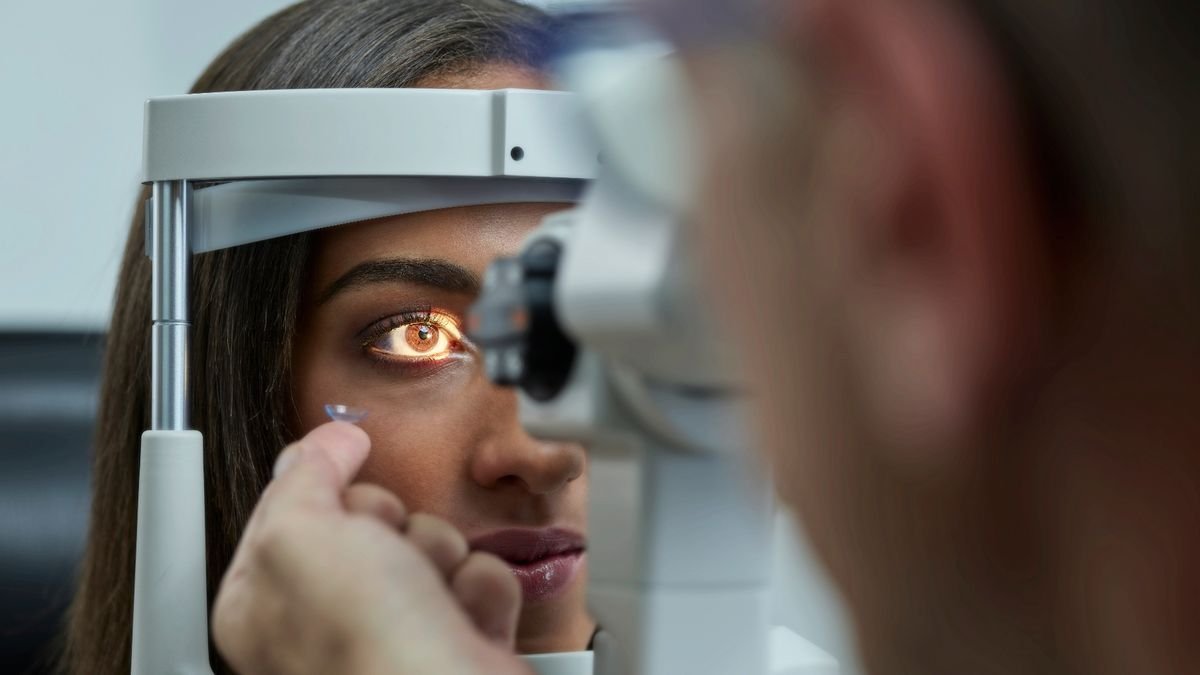

Hundreds of thousands of individuals are visiting emergency departments for eye concerns that could be addressed at local free clinics. Recent research reveals that eye infections, like conjunctivitis and dry eye, led to approximately 400,000 hospital visits last year, which could have been managed at high street clinics.
The Association of Optometrists (AOP) estimates that a significant portion of the 780,000 eye-related A&E visits in England, ranging from 62% to 78%, could be effectively handled by community opticians. By utilizing these resources, up to 400,000 visits to overwhelmed A&E departments could be alleviated.
Advocating for enhanced funding of urgent and minor eye care services in optometrists, the AOP emphasizes the need for all practitioners to offer NHS clinics as an alternative to A&E. According to AOP’s chief executive Adam Sampson, the reliance on emergency departments for eye issues is unnecessary, as many patients could receive treatment from well-trained optometrists in the community.
Despite advancements in elective NHS waiting lists, A&E wait times have remained elevated since Labour took office. Various conservative governments have witnessed a decline in waiting time standards, with the NHS failing to achieve its target of treating or admitting 95% of A&E patients within four hours since July 2015.
Eye problems rank among the top 10 reasons for A&E visits, where minor issues like eye abrasions can be managed at NHS-funded optometrist clinics. These minor and urgent eye care services cater to conditions such as red eyes, infections, flashes, floaters, or sudden vision changes, offering assessments and treatments at no cost.
While NHS-funded clinics exist in some opticians, not all provide these services, leading to disparities across regions. AOP’s Adam Sampson stresses the importance of consistent access to eye care services nationwide, highlighting the current postcode lottery that limits patients’ access to nearby care.
Efforts are needed to ensure that every individual with eye problems can seek assistance on the high street, similar to accessing healthcare at community pharmacies. The government must address these disparities to guarantee equitable access to eye care services across England.