


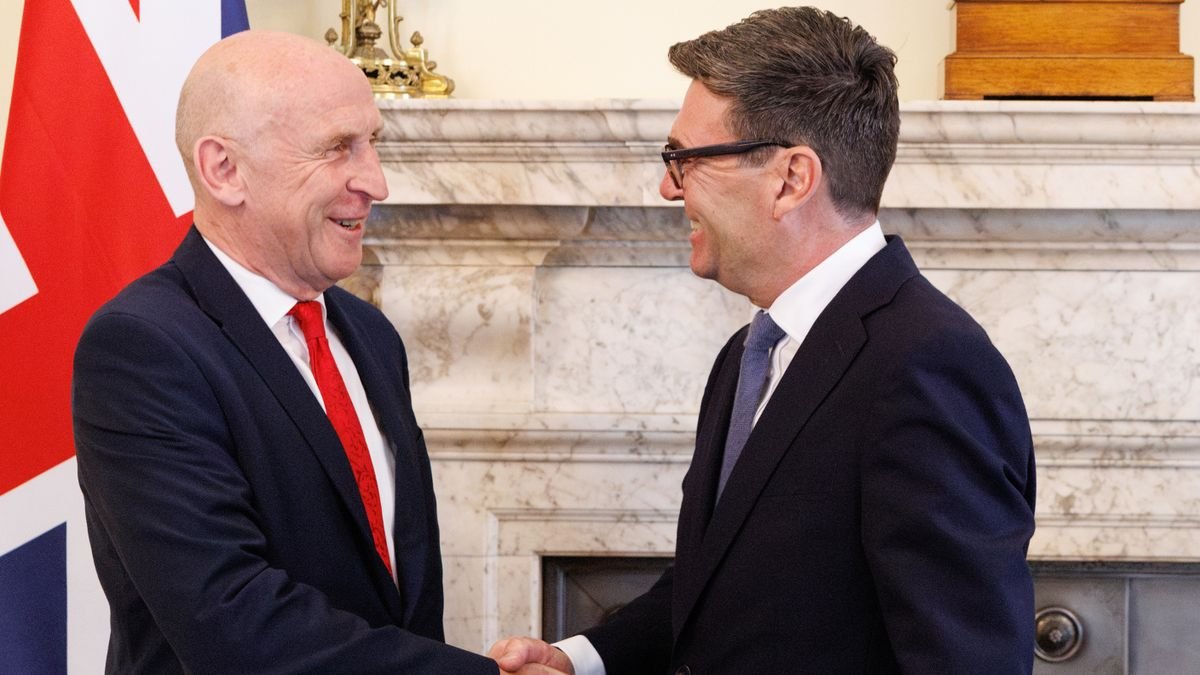

Andy Burnham wasted no time in proposing solutions to address the cost of living crisis. On his second day in office, he pledged to alleviate the financial burden on struggling families by eliminating VAT on energy bills, aiming to instill hope among those facing economic challenges.
Burnham has begun fulfilling his commitment to provide “breathing space” for households grappling with financial hardships, a pivotal aspect of his economic agenda disclosed in his inaugural address outside No 10 on Monday. Effective October 1, the initiative will exempt domestic electricity bills from VAT.
Addressing the longstanding issue of Westminster’s disconnect from the people’s needs, Burnham emphasized the urgency to alleviate the financial strain on families. He underscored his determination to offer relief by reducing taxes on energy bills promptly, thereby bolstering people’s finances and restoring optimism.
The anticipated impact of this change includes an approximate £45 reduction in the Ofgem price cap starting in October, with companies expected to transfer the savings to consumers.
Chancellor John Healey noted the persistent struggles faced by many due to the escalating cost of living. He highlighted that the energy tax cut will provide families with some financial relief and offer reassurance during the upcoming winter months. The measure’s funding this year will be derived from the cancellation of the Digital ID program, aiming to curb inflation while supporting households nationwide.
As Burnham continues to expand his cabinet, key appointments have been made, including Ed Miliband taking on the FCDO brief, Angela Rayner returning as Housing Secretary, and Shabana Mahmood retaining her position as Home Secretary.
Jonathan Reynolds, the newly appointed business secretary under Burnham’s leadership, confirmed that the funding for the VAT adjustment will be sustained until the end of the financial year. Any extension beyond that period will necessitate inclusion in the Prime Minister’s inaugural Budget. Reynolds highlighted that the policy’s financing has been sourced from the government’s decision to eliminate digital IDs. He emphasized that the estimated £45 saving will be an additional benefit for households, supplementing a £150 saving. Reynolds expressed confidence in the smooth implementation of the VAT reduction, expecting energy providers to respond promptly.
Andy Burnham and his newly appointed Chancellor, John Healey, received encouraging news as official data indicated a one-third decrease in government borrowing in June.
The Office for National Statistics reported that government borrowing in June stood at £16 billion, marking a £7.9 billion decline compared to the same period last year. Moreover, the figure was £300 million below the Office for Budget Responsibility’s projection. The decline was primarily attributed to reduced costs related to inflation-linked debt interest, as stated by the ONS.
Former defense secretary John Healey, unexpectedly appointed as Chancellor by Prime Minister Andy Burnham, reiterated their commitment to adhering to fiscal regulations while safeguarding against uncertainties and enhancing affordability for the working population across the UK.