


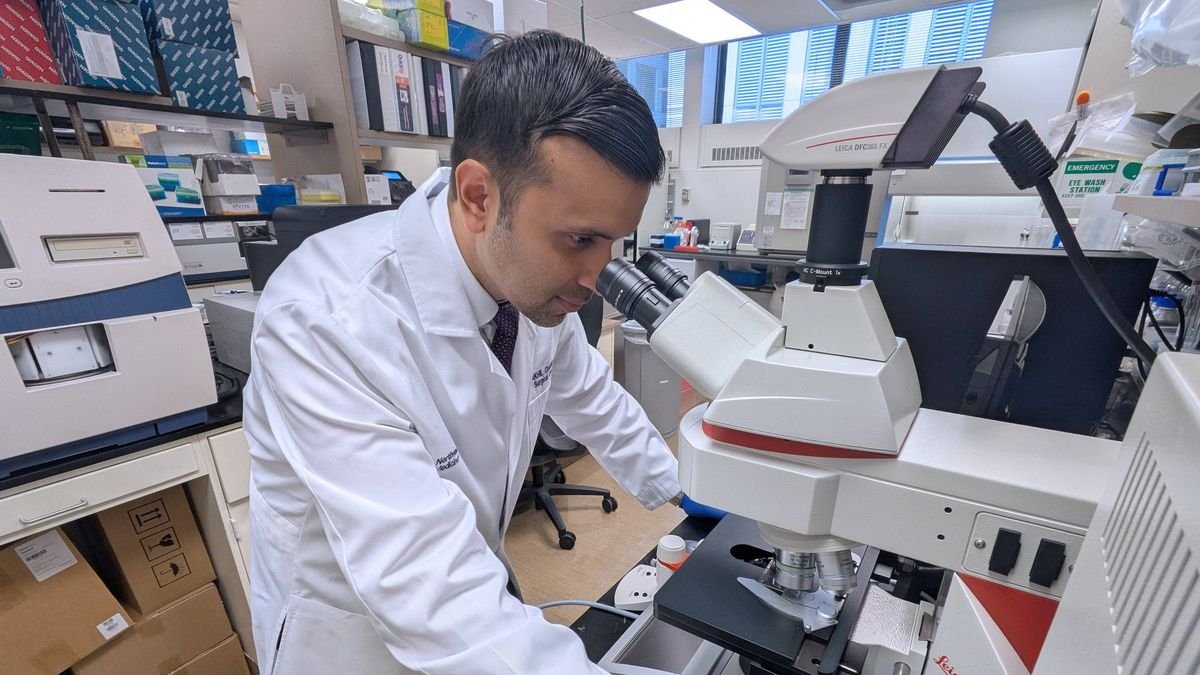

A new blood test has been developed that can detect very small amounts of a deadly type of cancer. This highly sensitive test can identify hidden signs of pancreatic cancer by targeting a crucial genetic mutation that traditional tests often miss.
Researchers in the United States have highlighted the potential of this test to help doctors identify patients at higher risk of cancer recurrence, even when standard imaging scans show positive results. The test focuses on detecting the KRAS genetic mutation, which is responsible for the majority of pancreatic cancer cases.
A team of scientists from Northwestern University Feinberg School of Medicine in Chicago conducted a study where they collected blood samples from patients with localized pancreatic cancer undergoing treatment. The results showed that the sensitive blood test identified cancer indications in 65% of patients at diagnosis, compared to only 17% detected by the standard test.
Even after chemotherapy and surgery, the advanced blood test continued to detect residual cancer in most patients, revealing cancer presence that imaging techniques failed to spot. These findings, published in the journal Clinical Cancer Research, coincide with the development of a new drug targeting the KRAS mutation that is showing promising results in improving survival rates.
Lead author of the study, Professor Akhil Chawla, emphasized the importance of having a screening tool that tracks the specific genetic mutation targeted by emerging therapies. This approach could transform the identification of high-risk patients, monitor early-stage disease, and potentially intervene before cancer recurrence becomes visible, ultimately increasing the chances of curing more patients.
Pancreatic cancer is known for being one of the deadliest forms of cancer, even when detected early. Patients often undergo extensive treatments like chemotherapy and surgery, but the cancer frequently returns. Professor Chawla explained that the challenge lies in detecting low levels of circulating tumor DNA, which can be difficult with conventional methods.
The study followed 106 patients with localized pancreatic cancer, tracking their disease progression from diagnosis through treatment. Blood samples were taken before treatment, after chemotherapy, and following surgery over a four-year period. The results showed that the advanced blood test, digital droplet PCR (ddPCR), outperformed conventional next-generation sequencing tests (NGS) in detecting cancer indicators at various stages of treatment.
The more sensitive ddPCR test identified tumor KRAS DNA in a significantly higher percentage of patients post-chemotherapy and post-surgery compared to NGS. This improved accuracy in detection led to better predictions of survival outcomes. The study also revealed a group of high-risk patients who were previously undetected by standard NGS but were picked up by ddPCR, showing different survival rates.
Professor Chawla highlighted the significance of liquid biopsies like ddPCR and NGS in monitoring cancer through blood tests, as they offer a non-invasive and repeatable method to track disease progression over time. This advancement in early cancer detection could potentially lead to more effective treatments and improved patient outcomes.