


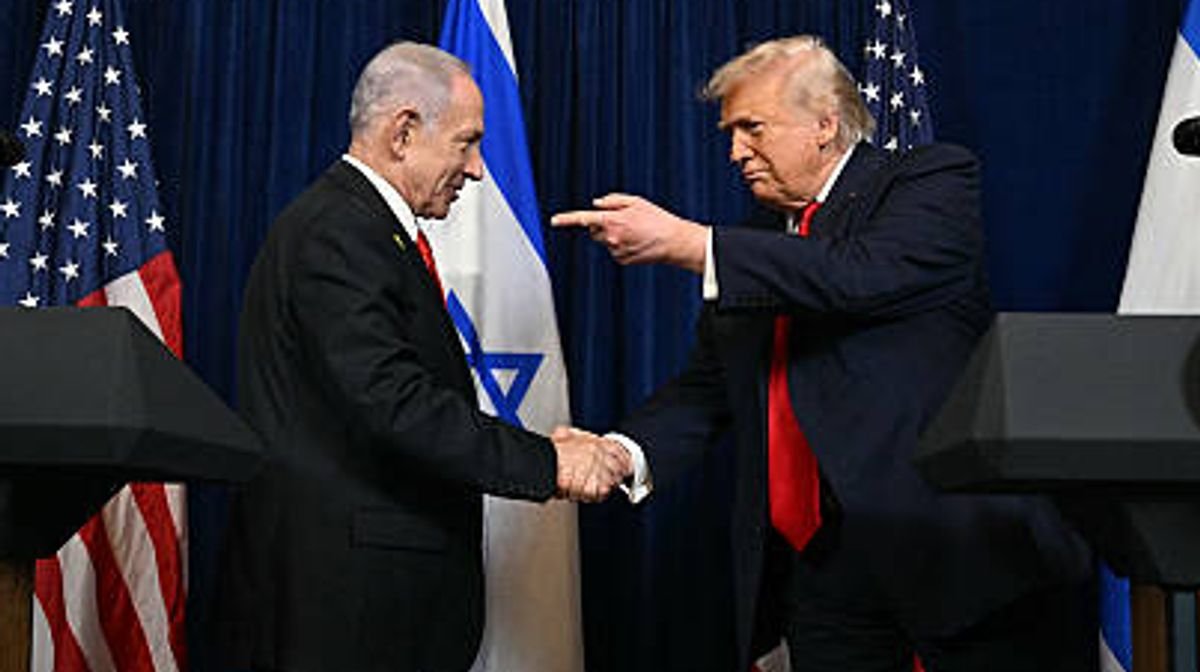

In recent events, Benjamin Netanyahu’s statesmanship has come under scrutiny, with Donald Trump reportedly labeling him “unhinged” and “dangerous” during a heated phone call. Trump’s frustration escalated as he urged Netanyahu to cancel planned strikes on Lebanon, accusing him of ingratitude and warning of dire consequences without US support. The fallout from this exchange has strained the longstanding US-Israel relationship.
The tragic events of October 7, marked by brutal attacks on Israeli civilians by Hamas, stirred global outrage. While condemning the barbarism, concerns have been raised over Netanyahu’s aggressive response, blurring the lines between self-defense and excessive retaliation.
Criticism of Netanyahu’s leadership has been mounting, not against the Jewish people but directed at his government’s harsh military actions and controversial decisions. The international community, including human rights organizations, has expressed dismay at the heavy-handed tactics employed by Israel under Netanyahu’s command.
The alarming conduct of key Israeli figures, like Itamar Ben Gvir, further underscores the troubling direction Israel has taken under Netanyahu’s rule. Ben Gvir’s deplorable treatment of detained activists sparked widespread condemnation, even from his own political allies, highlighting the divisive and damaging impact of his actions on Israel’s reputation.
Amid escalating tensions, accusations of war crimes have emerged from reputable international bodies, challenging Netanyahu’s narrative and prompting accusations of using antisemitism as a shield against valid criticisms. The ongoing conflict has not only deepened global divisions but also triggered a severe oil supply disruption, leading to significant economic repercussions worldwide.
Lindsey Graham’s role in facilitating Netanyahu’s influence on Trump, ultimately leading to military engagement, has raised concerns about the political agendas driving these decisions. The costly war, both in terms of lives lost and economic burdens, has exposed the consequences of unchecked power dynamics and questionable alliances.
As the fallout from Netanyahu’s policies unfolds, there is a growing sense of disillusionment with his leadership, not just in the Middle East but across continents. Calls for accountability and a shift towards more responsible governance in Israel are resonating globally, emphasizing the need for a more balanced and inclusive approach to regional conflicts.
The legacy of Netanyahu’s tenure, marked by prolonged tensions and failed promises, serves as a cautionary tale for future leaders. It is imperative to learn from these mistakes and strive for a more peaceful and equitable world, where the actions of one nation’s leader do not dictate the fate of millions.