


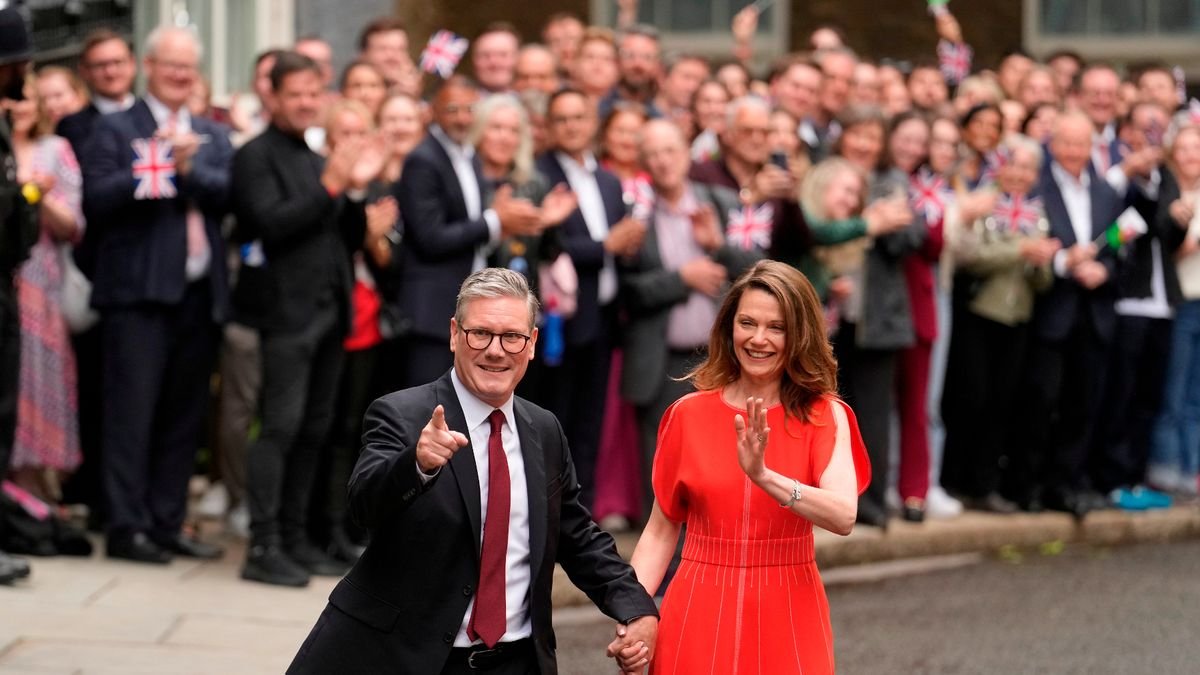

Two years ago, Keir Starmer was welcomed by jubilant Labour supporters holding Union Jack flags as he made his way to Downing Street as Prime Minister for the first time. The historic victory on July 5, 2024, ended the 14-year Conservative rule. Starmer, elected on a platform of change, vowed to bring a lighter touch to politics after the turmoil of the previous administration.
However, as Labour commemorates its two-year reign, Starmer’s time in power is swiftly drawing to a close, with less than three weeks remaining. Internal party strife, sparked by contentious decisions such as appointing Peter Mandelson as US Ambassador and disappointing results in local elections, has plagued Starmer’s leadership, leading to his resignation announcement amid mounting pressure.
Amid the uncertainty of what lies ahead, there is cautious optimism among Labour members regarding a potential Andy Burnham premiership, despite the challenges he may face. Clarity of vision and decisive action are seen as key attributes Burnham could bring to the role, highlighting a perceived lack of direction during Starmer’s tenure.
Reflecting on the past two years, Labour MPs are determined to learn from past missteps to avoid repeating them. Criticism of Starmer’s handling of issues such as winter fuel cuts and disability benefit reductions has fueled calls for a new approach and a fresh culture within the party.
While some MPs express disappointment over unfulfilled promises from Starmer’s manifesto, others commend the progress made, particularly in areas like renters’ rights and workers’ rights. Starmer’s efforts to restore the country’s international standing have been acknowledged, although overshadowed by perceived shortcomings in communication and policy coherence.
Looking ahead, there is a shared desire for the next Prime Minister to articulate a compelling vision for the future, emphasizing the importance of effective storytelling in connecting with the public and driving meaningful change. As the political landscape evolves, the transition to a new leadership under Burnham is seen as an opportunity to steer Labour towards a more cohesive and impactful direction.