


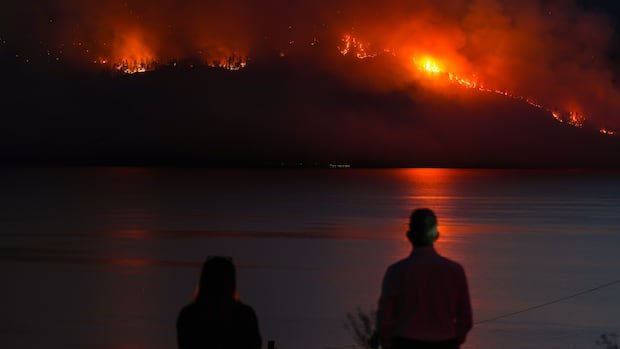

A significant warming event known as El Niño, also called “Godzilla” El Niño, has returned to the Pacific Ocean, disrupting global weather patterns. This occurrence coincides with a scorching July, the hottest recorded for North America and Europe, marked by heat waves causing numerous heat-related deaths, dried rivers, and wildfires. Climate scientists clarify that while El Niño is not directly responsible for these extreme weather events, its interaction with climate change may exacerbate the already intensified weather conditions.
Notably, El Niños occur naturally every three to seven years, altering weather patterns by heating up the air above the ocean surface and causing a rearrangement of atmospheric conditions. This phenomenon, which may have started forming in May and June, typically peaks in late fall and winter, impacting regions like Canada. Scientists predict that the current El Niño could rival the strength of previous significant occurrences in 2015-16 and 1997-98.
Anticipated effects of this El Niño include a warmer winter for Canada and the northern U.S., with potential shifts in precipitation patterns. Regions like Peru and Indonesia are already experiencing heavy rains, flooding, and wildfires, with projections indicating prolonged impacts well into 2027. The ongoing El Niño is expected to influence the hurricane season, leading to fewer storms in the Atlantic Ocean but increasing storm activity in the Eastern Pacific.
Moreover, the current El Niño event is occurring in a world already affected by human-induced climate change, creating a hotter environment than previous years. Climate scientists emphasize that the combination of El Niño and climate change effects could lead to long-term consequences that extend beyond the immediate forecasted period.