


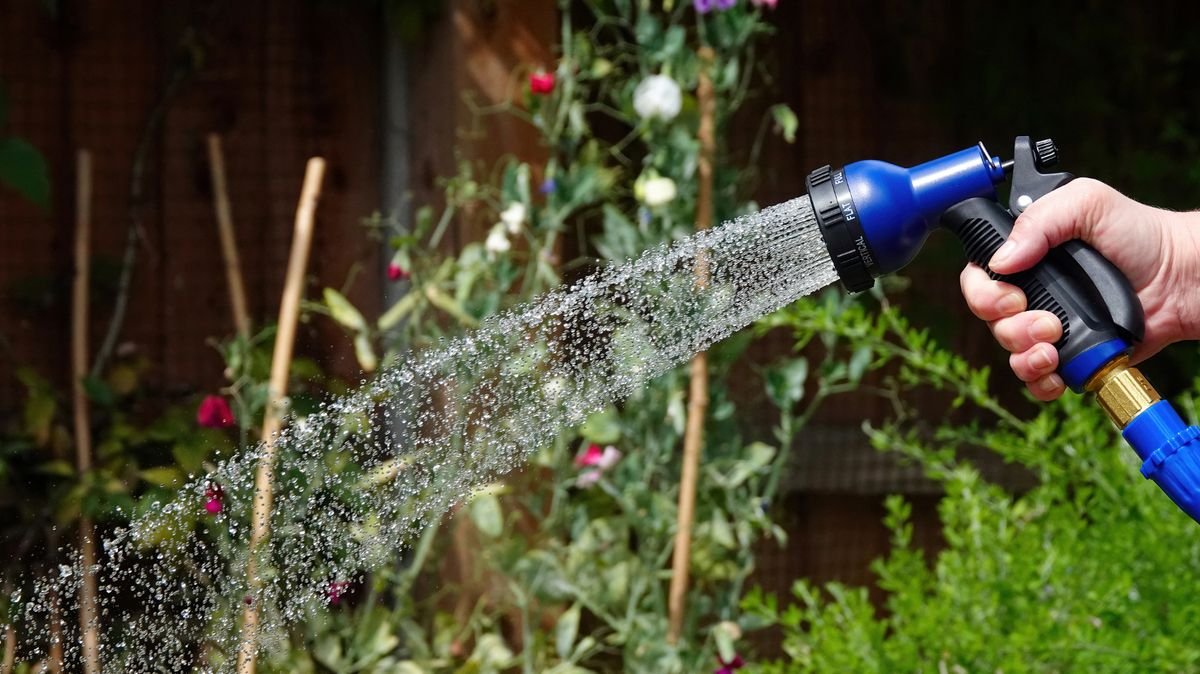

Amid ongoing hot and dry conditions, the possibility of extending hosepipe bans to more regions this summer looms large, affecting millions of residents. The National Drought Group has cautioned that additional parts of southern, central, and eastern England face similar water scarcity issues as already seen in over a dozen areas nationwide. Struggling with prolonged dry spells, seven major water companies, including Thames Water, Southern Water, and Southeast Water, have already enforced water usage restrictions due to the absence of rainfall for weeks in certain regions.
The National Drought Group, comprising members from various environmental bodies like the Government and Met Office, met recently after a 12-day streak of temperatures exceeding 30C. They identified 13 regions currently experiencing “prolonged dry weather” conditions, signaling an imminent transition to official drought status with stricter water management measures.
These at-risk areas, managed by different water suppliers such as Affinity Water, SES Water, and Wessex Water, may see a significant expansion of hosepipe bans, potentially impacting millions more individuals. Presently, temporary usage limits apply to 23 million customers nationwide to safeguard natural resources and alleviate pressure on essential water systems.
The applicability of these restrictions depends on the water provider in each area. Residents served by alternative local suppliers unaffected by bans imposed by major companies may not face such limitations.
According to the latest data from the Environment Agency, a comprehensive analysis conducted between July 2 and 15 revealed zero rainfall averages across weather stations in central and southeastern England over a continuous 14-day period. This prolonged dry spell marks the lengthiest stretch without rain in southeast England since April 1997. In central England, a similar record was set in 1996, emphasizing the severity of the current drought conditions.
Helen Wakeham, Chair of the National Drought Group and Environment Agency’s Director of Water, emphasized the detrimental impact of the ongoing dry weather on various sectors. She highlighted the strain on agricultural activities, wildlife habitats, and public water supply, urging continued adherence to water usage restrictions to ensure sufficient supply for all needs.
The foreseeable forecast suggests a persistent absence of rainfall in the upcoming days, with high-pressure systems dominating the weather patterns for at least the next five days. Limited precipitation may occur in coastal areas, southeast England, and potentially northern Scotland, offering slight relief before potential rain fronts from the northwest attempt to infiltrate. However, substantial rainfall is anticipated mainly over Northern Ireland and Scotland.
Will Lang, Chief Meteorologist at the Met Office, indicated that despite occasional rain possibilities, the prevailing outlook projects predominantly settled conditions in most parts of the UK. The summer’s dry and warm trend, with minimal rainfall in July, aligns with the previous heatwaves experienced, urging continued conservation efforts.
Several major water providers, including Affinity Water, Anglian Water, Cambridge Water, Southern Water, South East Water, Thames Water, and South West Water, have already initiated Temporary Use Bans (TUB) in their respective regions. While hosepipe usage is restricted, alternatives like watering cans and buckets remain permissible. Individuals with specific needs due to disabilities or health concerns in areas covered by TUBs are advised to liaise with their local water supplier for necessary accommodations.
Recognizing the significant water consumption of hosepipes, with the capacity to utilize 1,000 liters per hour exceeding a typical family’s daily usage, restrictions on their use form a crucial aspect of drought planning strategies. Recent surveys indicate widespread public support for such bans under compelling circumstances.
David Henderson, Chief Executive of Water UK, acknowledged the challenges posed by escalating water demand following record-breaking warm weather trends. Despite water companies’ reluctance to impose usage restrictions, the unprecedented demand necessitates collective efforts to conserve water resources effectively.