


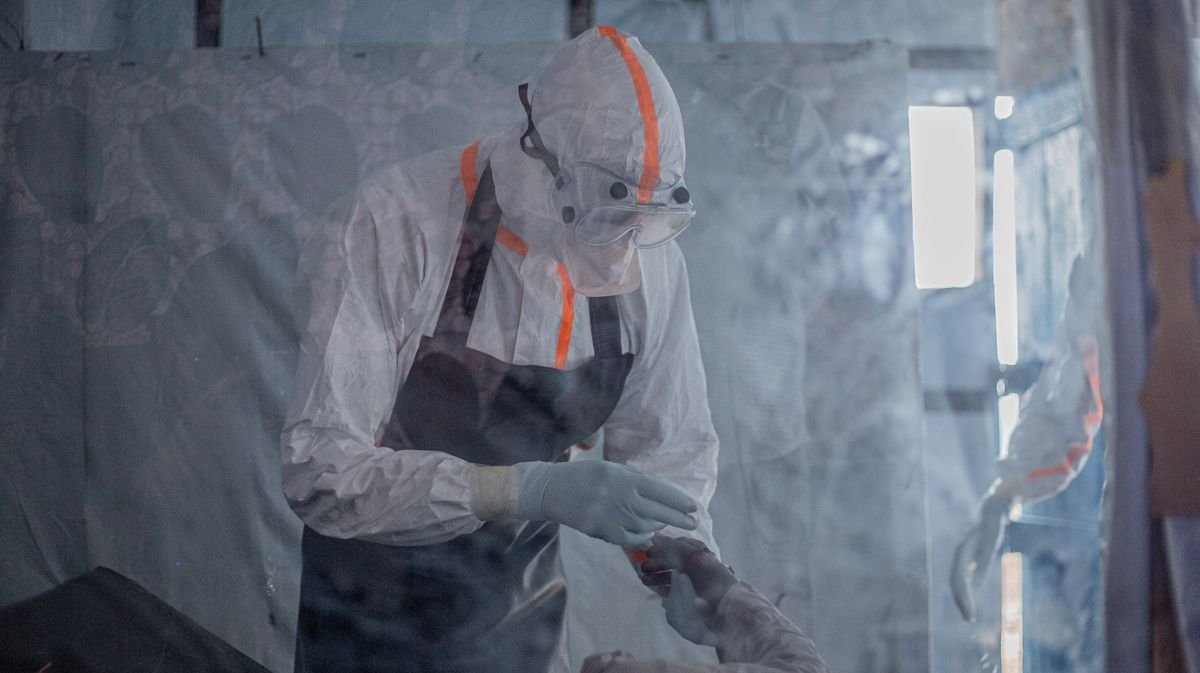

More than 1,000 individuals have succumbed to a rapidly escalating Ebola outbreak, with concerns of a potential case in the capital city of London. These are the critical symptoms to be vigilant for.
A UK citizen is currently isolated in a London medical facility after returning from duty in DR Congo, the epicenter of the outbreak. The individual was assisting families in the African nation as the virus began to spread this week.
Although the patient has not yet received an Ebola diagnosis according to the UK Health Security Agency (UKHSA), medical professionals are taking necessary precautions. In this report, we explore the primary symptoms of Ebola, the outbreak in DR Congo, and the current situation in London.
Ebola is an infrequent yet severe infection primarily found in African regions. Instances outside the continent are even rarer, with no confirmed cases in the UK and low public risk.
The virus is contracted from wild animals and spreads through contact with infected bodily fluids. Person-to-person transmission of Ebola has never been documented in the UK.
Symptoms may manifest between two to 21 days after exposure and can present as flu-like symptoms, including high fever, extreme fatigue, and headaches. Additional symptoms, as per the NHS, include coughing and bleeding.
In a single province of DR Congo, there are over 2,000 confirmed cases of Ebola. Suspected cases have also emerged in two more provinces, including near Kisangani, a major city in the country, raising concerns about the extent of the virus spread.
The World Health Organization reports that 80% of new cases are linked to unknown transmission chains, making it challenging for health authorities to trace the source of infections, hindering efforts to contain the spread.
The ongoing outbreak is driven by the Bundibugyo strain of Ebola, for which there are currently no approved vaccines or treatments. Compared to other strains, health officials face greater difficulties in controlling its transmission.
The UK resident under isolation at a London hospital was involved in supporting the Ebola response in DR Congo. This individual was evacuated on a dedicated flight for this purpose and is now under observation by infectious disease specialists.
Richard Pebody, the director for epidemic and emerging infections at UKHSA, stated, “The risk to the general public is minimal. The precautionary isolation of this individual is a proactive measure, and we are pleased with their current condition.”
The most recent Ebola case reported in the UK dates back to 2015, linked to the 2014-2016 outbreak in West Africa. Outside DR Congo, Uganda has reported 20 cases, while France confirmed one case, resulting in two fatalities in Uganda, according to the World Health Organization.