


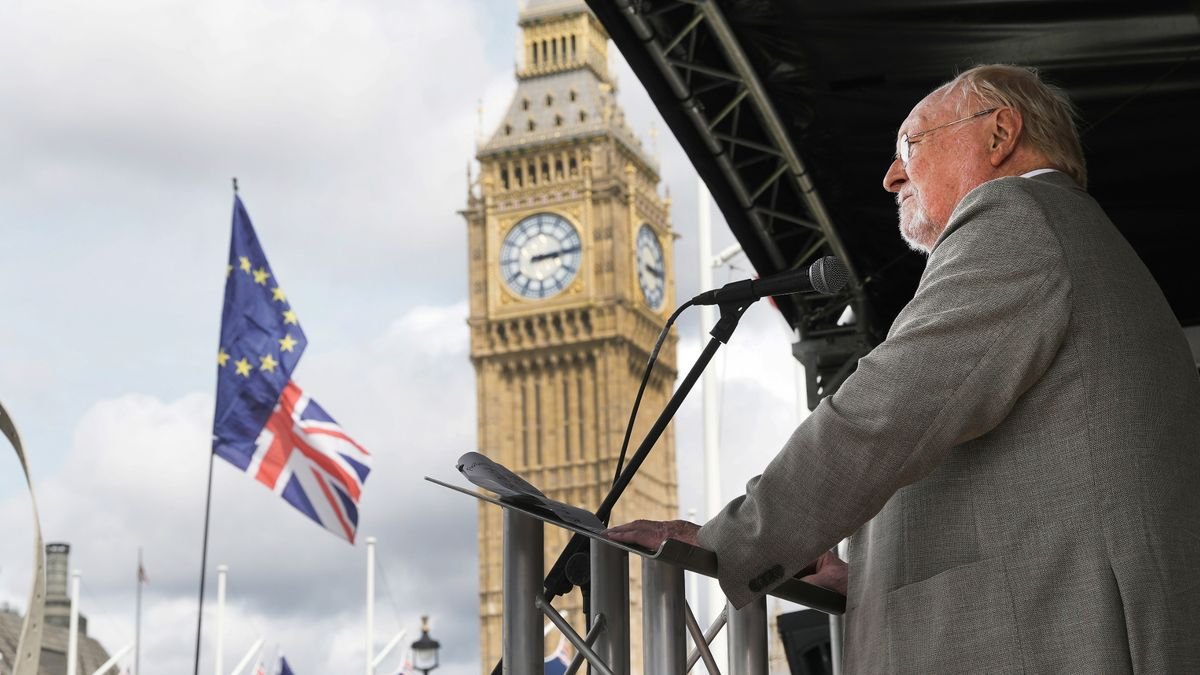

After a decade since the referendum and five years post exiting the European Union and the Single Market, the impact of Brexit is evident and devastating. Various independent analyses reveal significant economic losses, including a 6-8% decline in the national economy, resulting in a £60 to £80 billion decrease in revenue for essential services. Additionally, there has been a 12-18% reduction in investment, a 15% decrease in goods trade, and a 3-4% drop in employment and productivity.
The financial burden translates to an average cost of £3,000 per adult in the UK, amounting to £6,000 for an average household. These consequences are felt directly by the British populace through decreased income, job opportunities, and travel limitations.
Politically, the UK’s influence has diminished, shifting from a significant decision-maker in European affairs to a mere applicant in security alliances. Amid global economic challenges such as Trump’s trade policies, Putin’s aggressive stance, China’s rapid growth, and Middle East conflicts, Brexit continues to impede progress.
Given these detrimental effects, there is a growing call from the public to reverse the damage caused by Brexit. The Labour Government’s efforts to realign with the EU and rebuild trust are welcomed as steps towards securing a prosperous and secure future. However, it is imperative to transform these efforts into substantial progress for the nation.
Looking ahead, it is crucial to acknowledge the evolving landscape where standalone power is dominated by superpowers. For countries like the UK, modern economy and security necessitate collective action due to interdependence among nations. Rejoining the European Union is seen as a strategic move, emphasizing the importance of unity with neighboring countries.
Although rejoining the EU poses challenges and requires time, it is deemed essential for the UK’s economic growth and stability. The decision to rejoin must be democratically endorsed through elections or referendums to ensure national consensus. As the world evolves rapidly, stagnation equates to regression, emphasizing the urgency for the UK to move forward by rejoining the EU.
After a decade marked by economic setbacks and decline, the argument for reuniting with the European Union is not just necessary but also pragmatic and patriotic. It is a critical step for Britain to reclaim its position and progress towards a brighter future.