


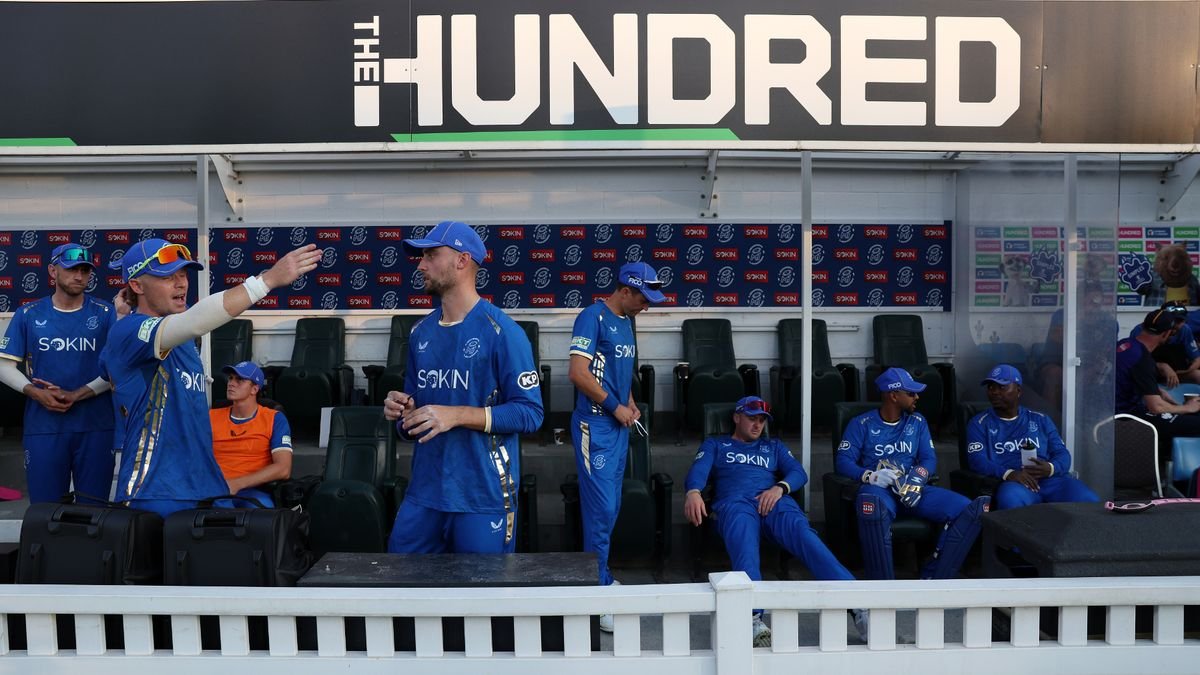

After a stellar performance leading Trent Rockets to victory against Welsh Fire, Ben Duckett expressed surprise at the low turnout at the match in Cardiff. Despite his unbeaten half-century, only 7,400 spectators witnessed the game, reflecting a general decline in attendance throughout the 2026 season of The Hundred.
Duckett, an England opener, voiced his astonishment at the modest crowds, considering the caliber of players on display in the competition. He highlighted the absence of significant spectator numbers and pondered the underlying reasons for this trend.
The shift in ownership dynamics within the competition has raised concerns. The decision to allow counties a majority stake in their franchises, some of which are now partially owned by IPL teams, has altered the tournament’s landscape. While these changes injected much-needed financial support into the sport, questions remain about the implications for the competition’s fan base.
The scheduling of The Hundred in the peak summer period has also drawn criticism, with some feeling it detracts from the allure of international cricket fixtures. The tournament’s structure and timing may be contributing factors to the waning interest among traditional cricket enthusiasts.
While The Hundred has made strides in promoting women’s cricket, skeptics question whether similar advancements could have been achieved by enhancing existing T20 competitions. The competition’s original intent to attract new audiences with a simplified format has faced challenges in winning over established cricket fans.
The rebranding and ownership changes within franchises, exemplified by the transformation of the Northern Superchargers into Sunrisers Leeds, have not resonated well with local supporters. The disconnect between team identities and regional loyalties has led to dwindling attendance, despite promotional efforts.
In contrast, traditional cricket formats like the 50-over competition are experiencing a resurgence, drawing in crowds with a focus on local talent and community connections. The emphasis on grassroots development and familiar club affiliations seems to resonate more with cricket enthusiasts than the newer, unfamiliar team structures of The Hundred.
The ongoing success of more traditional cricket formats highlights the importance of maintaining connections with local communities and nurturing homegrown talent. As the sport evolves, striking a balance between innovation and tradition will be crucial in sustaining cricket’s appeal to a diverse audience.