


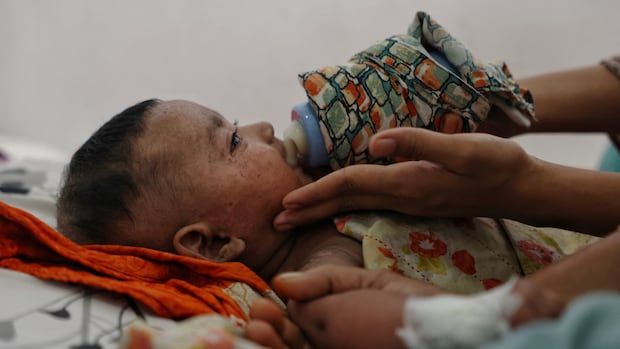

Bangladesh, which previously came close to eradicating measles, is now grappling with its most severe outbreak recorded, with approximately 1,000 suspected and confirmed measles-related fatalities reported since March. The hospitals are overwhelmed, facing overcrowding, supply shortages, and a continuous influx of ill children.
According to the U.S. Centers for Disease Control and Prevention (CDC), Bangladesh is currently experiencing the largest measles outbreak globally, with over 57,000 cases documented between January and June.
However, the actual numbers may be significantly higher, as indicated by Bangladesh’s Health Ministry.
Since the outbreak began in March, the nation has reported more than 166,000 suspected measles cases, which includes 19,835 confirmed laboratory infections, according to data from the Health Ministry.
The outbreak has been associated with 999 deaths, including 100 confirmed fatalities from measles, while over 146,000 suspected cases have led to hospitalizations.
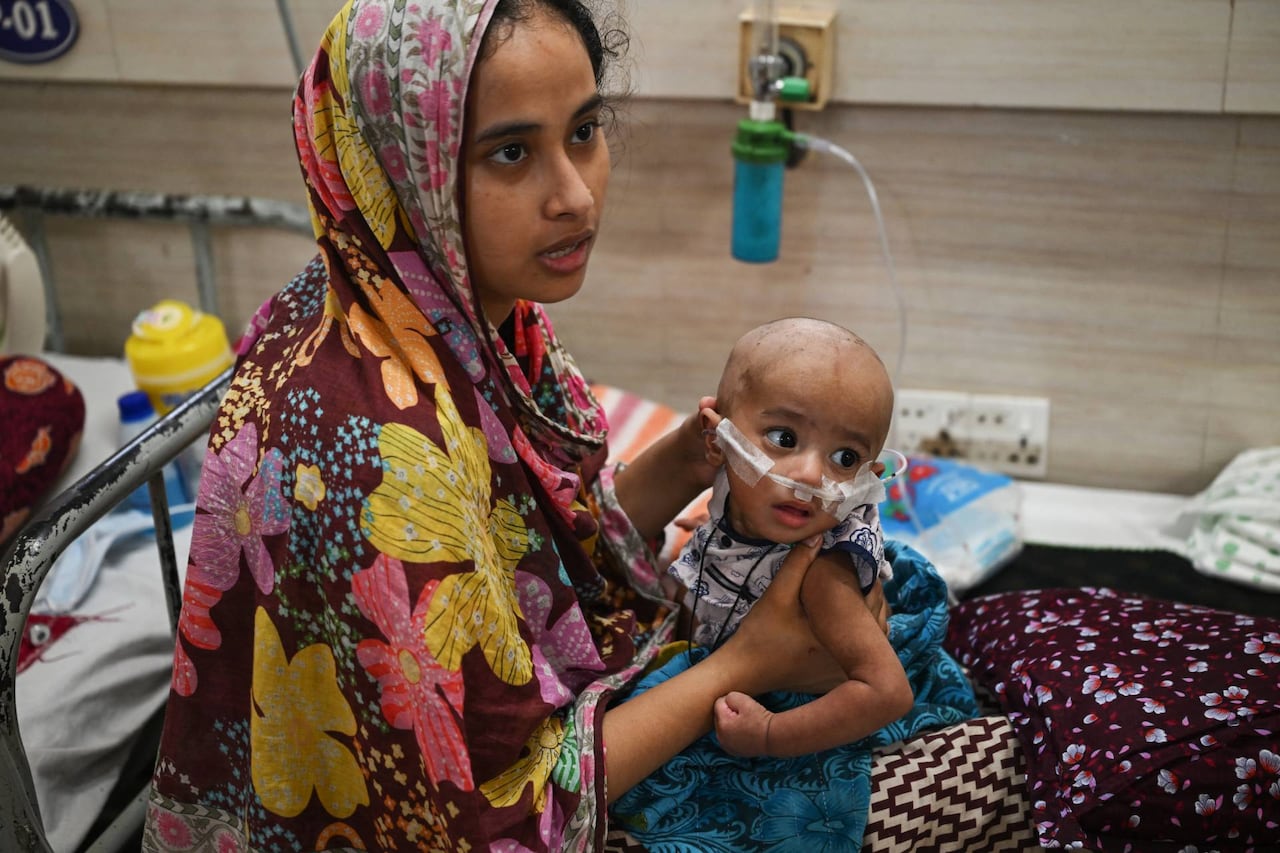
A mother cares for her measles-infected child receiving oxygen treatment at Bangladesh Shishu Hospital and Institute in Dhaka on September 3. Tens of thousands of children in the country have contracted the highly contagious viral disease this year, making it the world’s largest measles outbreak at present. (Salahuddin Ahmed/AFP/Getty Images)
In spite of a nationwide emergency vaccination initiative launched in April, the ongoing outbreak can be traced back to interruptions in routine immunization and vaccine supply in 2024 and 2025, according to experts, during a period of political instability following a violent uprising against then-Prime Minister Sheikh Hasina.
This has left many children vulnerable, particularly infants under nine months who are ineligible for routine vaccinations, contributing to the spread of the disease across various age groups.
Vaccination efforts hindered by political unrest
Experts attribute the outbreak to inadequate oversight of vaccination programs, poor monitoring, and shifts in procurement policies under the interim government that succeeded Hasina, which disrupted vaccine supplies and resulted in many children lacking protection against this highly infectious illness.
Health Minister Sardar Md. Sakhawat Husain informed parliament on Monday that procurement changes led to a shortage of vaccines, while the postponement of a vaccination program in 2024 and the cancellation of a nationwide measles-rubella initiative the following year further exposed more children to the risk of infection.
Organizations such as the World Health Organization and UNICEF have also highlighted the impact of disruptions on immunization schedules. During the initial phase of the outbreak, children under five represented approximately 80 percent of the cases.
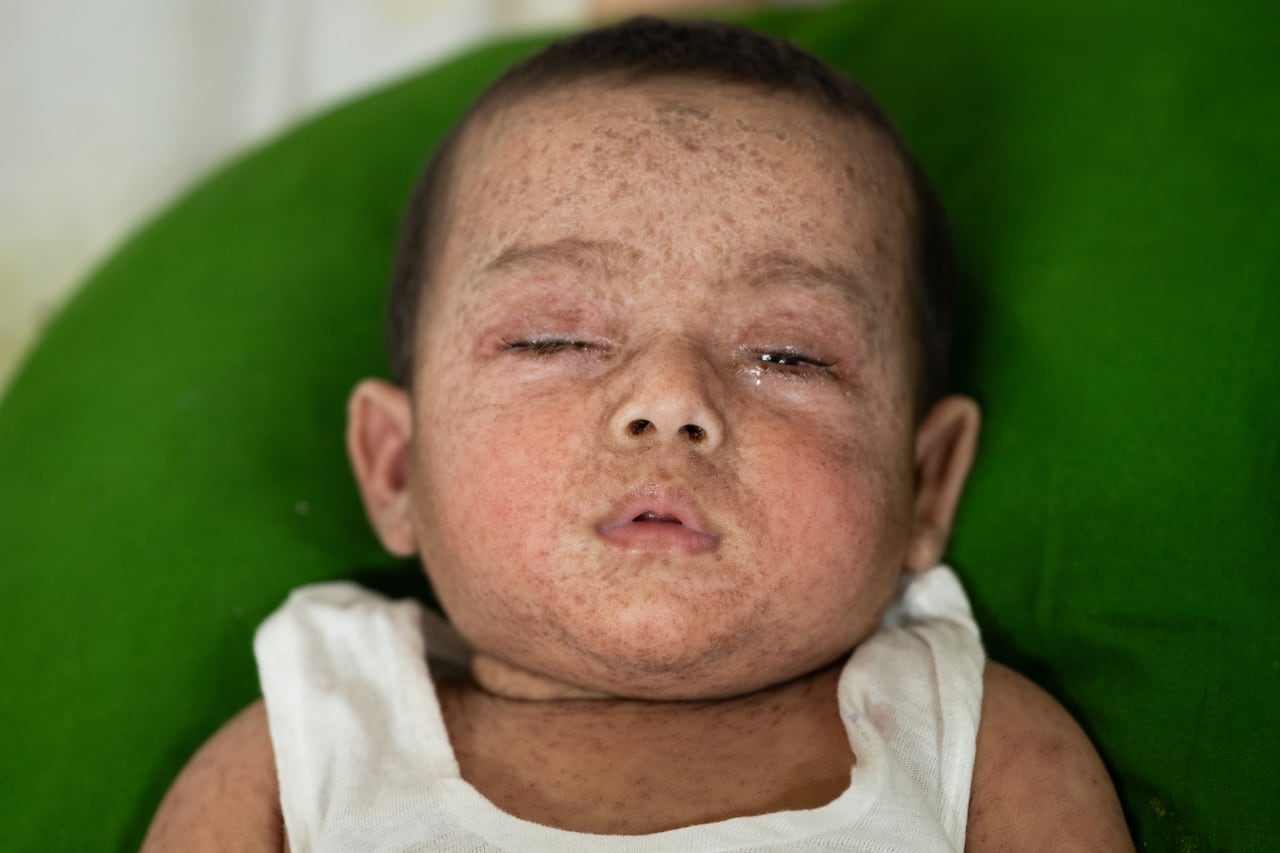
The outbreak in Bangladesh, which is the deadliest in decades, is nearing the grim mark of 1,000 deaths, as a devastating epidemic spreads through the nation, overloading hospital wards filled with struggling infants. (Salahuddin Ahmed /AFP/Getty Images)
-
Surge in measles cases risks ‘horrific’ health consequences: immunologist
-
U.S. measles cases have already broken last year’s record
The outbreak comes after years of advancements towards the elimination of measles.
Bangladesh achieved high measles vaccination coverage for much of the last decade, maintaining rates at or above the 95 percent threshold recommended by the WHO for the majority of that time, aside from a decline during the COVID-19 pandemic.
“Bangladesh failed to meet its measles elimination goal due to vaccination shortfalls in 2024 and 2025,” stated Mahmudur Rahman, an epidemiologist and former director of the Institute of Epidemiology, Disease Control and Research.
“As far as I know, Bangladesh has never experienced such a high number of children dying from measles. Nor have we encountered such a significant number of patients in a single year. This is an incredibly dire situation, and tragically, the victims are children,” he remarked.
Rahman emphasized that addressing immunity gaps, increasing vaccination rates, and enhancing public education are urgent priorities to control the outbreak.
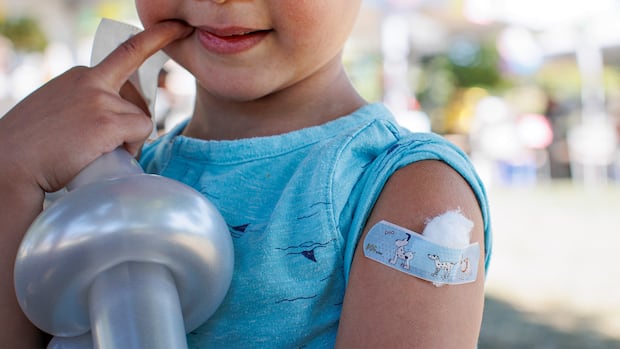
With millions of Canadian kids set to return to school, public health officials are urging families to get their shots for vaccine-preventable illnesses, including COVID, RSV, flu, and measles.
Outbreak intensifies pressure on already strained hospitals
Hospitals are facing challenges in managing the increase in measles cases, especially as the number of dengue patients is adding extra strain to an already overburdened healthcare system.
This year, more than 45,000 people have been hospitalized due to dengue, according to data from the Health Ministry. On Tuesday, the dengue death toll rose to nine, while hospital admissions reached 1,571, marking new highs for the year.
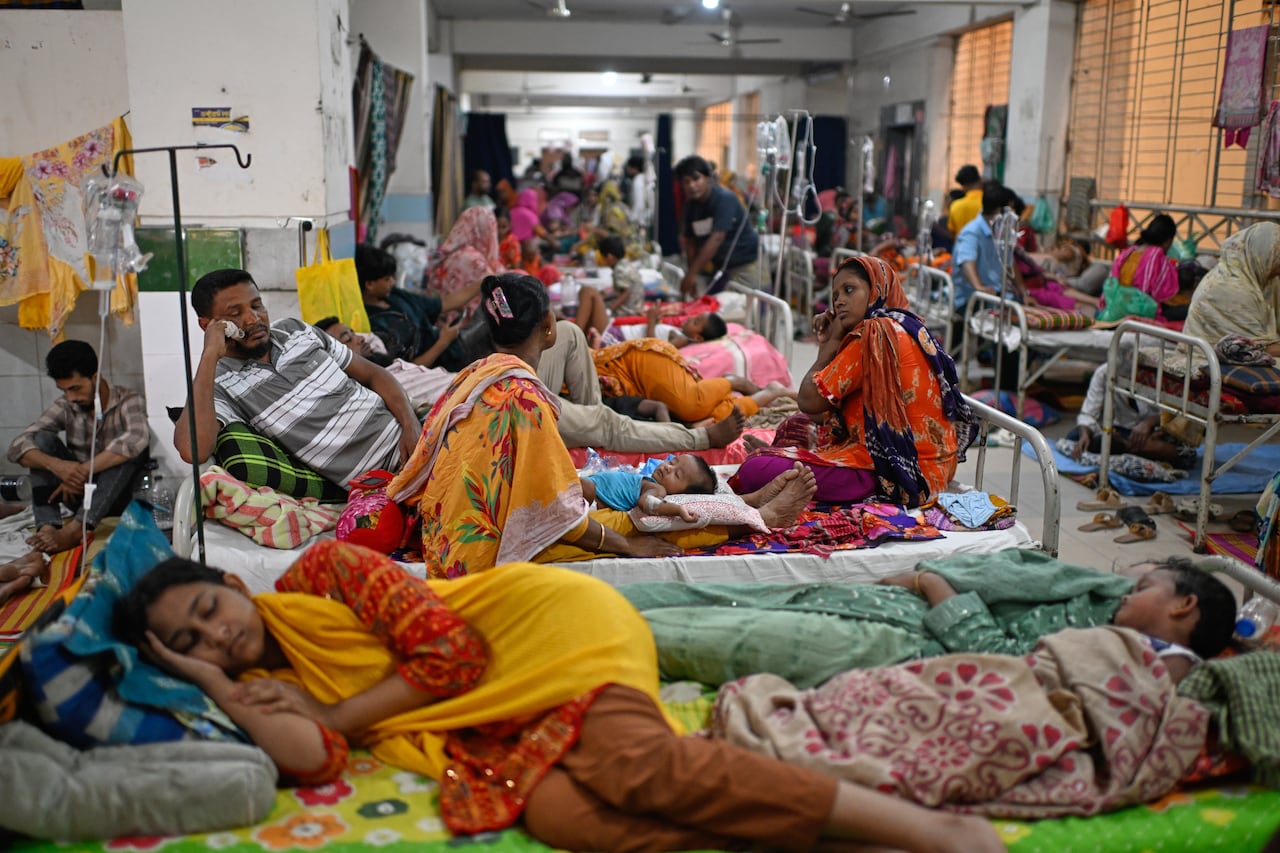
Patients are treated during a measles outbreak as family members sit beside them in an overcrowded hospital in Dhaka on Tuesday. (Mahmud Hossain Opu/The Associated Press)
“Patients are flooding in, and it’s extremely challenging to accommodate everyone,” stated Dr. Nanda Dulal Saha, acting director of the state-run Shaheed Suhrawardy Medical College Hospital in Dhaka. He noted that the hospital has 60 beds available for measles patients, but many are being treated on the floor.
Saha mentioned that a shortage of pediatric saline, which is crucial for alleviating measles symptoms, is exacerbating the situation.
The hospital, which is equipped to handle 1,350 patients, is currently caring for over 2,350, he added.
For families, the outbreak has resulted in weeks of uncertainty, repeated hospital visits, and escalating costs.
Nasima Begum, 35, shared that her 13-month-old son contracted measles nearly two months ago.
After attempting to secure a hospital bed at four different facilities, he was finally admitted and discharged after 10 days, but he continues to experience recurring fevers and has not yet fully recovered.
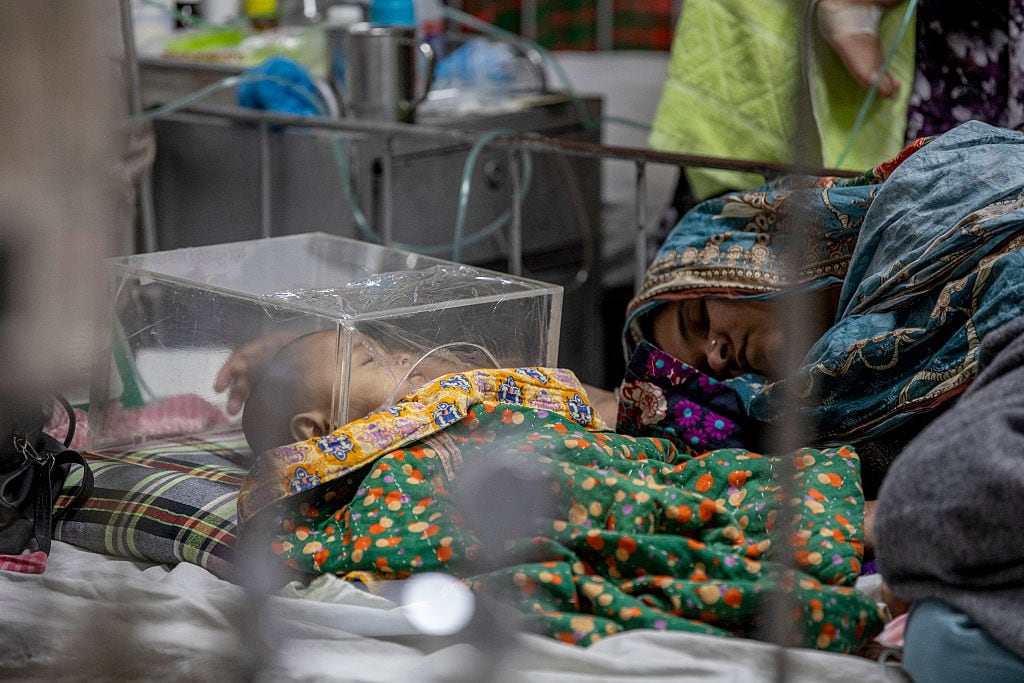
A child diagnosed with measles receiving care in a pediatric ward at the Bangladesh Shishu Hospital and Institute in Dhaka on May 6. (Salahuddin Ahmed/AFP/Getty Images)
Begum explained that her son missed his vaccination due to illness.
When they returned to the vaccination center later, they were informed that the vaccine was unavailable. Unlike her youngest son, her four older children had received their routine vaccinations.
Mohammad Ripon, a factory worker, said his eight-month-old daughter developed a rash and other measles-like symptoms days after being discharged from the hospital, prompting the family to seek treatment at multiple facilities before ultimately going to a specialized measles hospital for answers.
“We are just moving from one hospital to another,” Ripon expressed. “We are not receiving accurate information at all.”
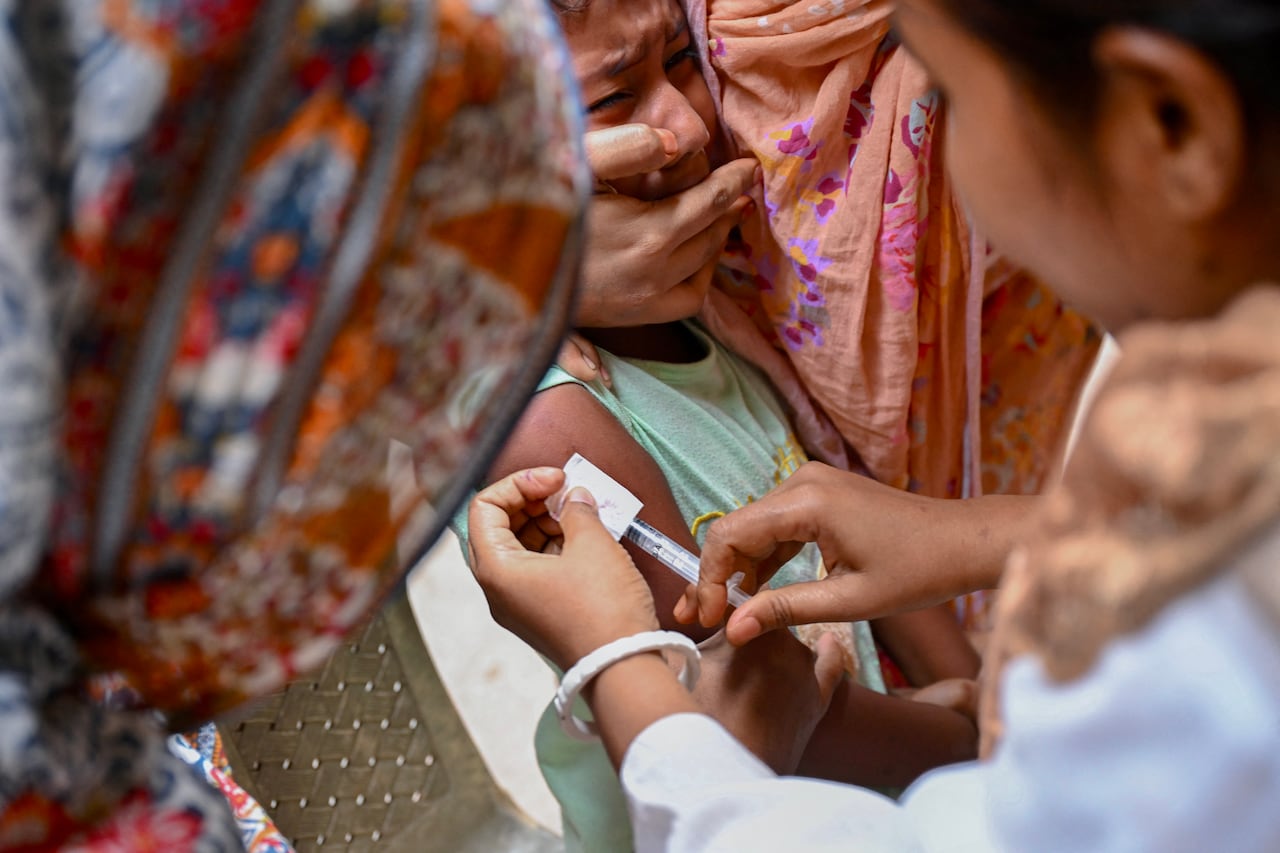
A child receives a measles-rubella vaccine in Dhaka on April 12. Health officials initiated an emergency vaccination campaign in the spring, but experts have noted that the country’s immunization efforts have been disrupted in recent years due to political turmoil. (Munir Uz Zaman/AFP/Getty Images)
Bangladesh’s emergency measles-rubella vaccination campaign aimed to reach approximately 18 million children aged six months to under five years.
Since then, more than 19.7 million children have been vaccinated, according to Health Ministry statistics, but experts assert that more robust routine immunization and catch-up campaigns are essential.
The dual health crises of measles and mosquito-borne dengue, a debilitating illness associated with rising temperatures and urbanization, highlight the significant challenges facing Bangladesh’s healthcare system in maintaining regular services while addressing preventable infectious diseases.
Although measles is among the most contagious diseases globally and typically manifests with fever and a characteristic rash, it can be effectively prevented through two doses of vaccine.
“We are poor and cannot afford treatment. I only pray that my son recovers,” Begum stated. “I don’t want any other mother to experience her child suffering or dying from this disease.”
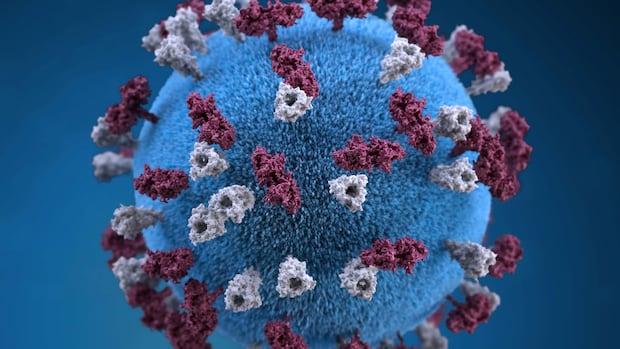
Canada has lost its measles elimination status after a sustained outbreak of the disease lasting over a year, resulting in more than 5,000 infections and the deaths of two infants.