


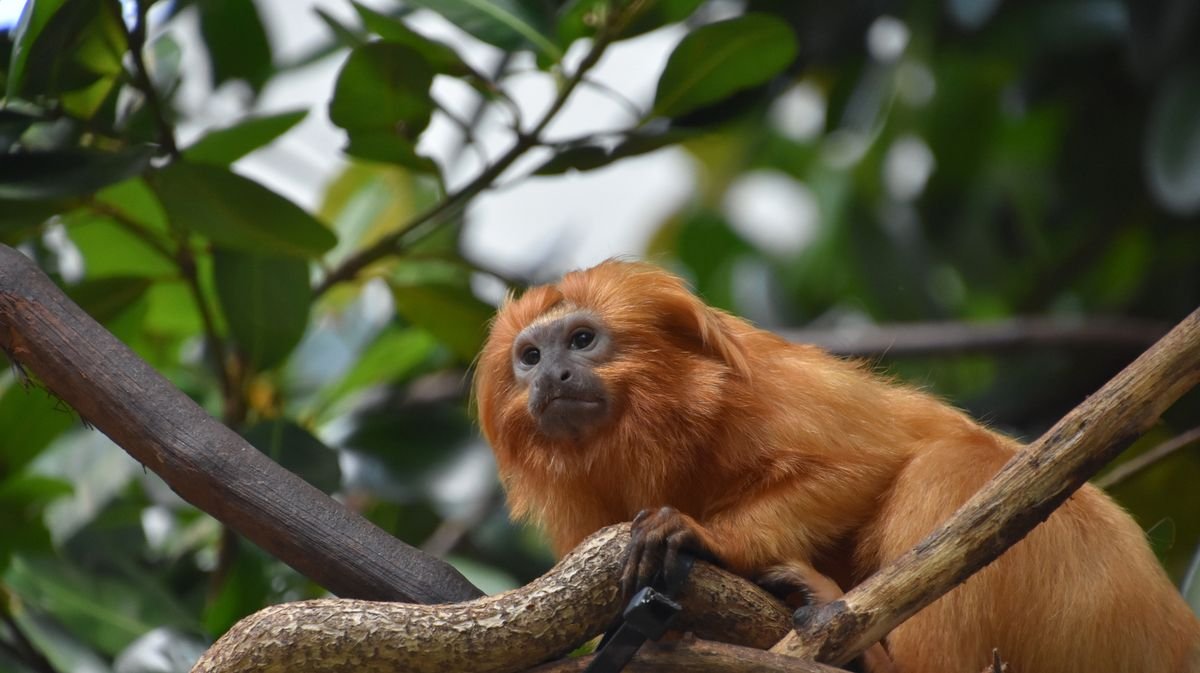

Wild monkeys in the Amazon have been discovered carrying a deadly human disease for the first time, a surprising finding attributed to human encroachment into the rainforest, according to scientists.
A collaborative team from the University of Salford in the UK and Brazil’s Federal University of Amazonas detected human hepatitis B in blood and liver samples from 88 ‘new world’ primates across 28 species.
The research indicates human-to-monkey transmission in areas significantly impacted by deforestation and urban expansion. In regions like Brazil’s Rondonia and Mato Grosso states, where extensive forest clearing and proximity of towns to the jungle prevail, 17 out of 49 tested monkeys were positive for the hepatitis B virus (HBV), with genetic matches to local human strains.
Conversely, in a remote area along the upper Japurá River in Amazonas state, none of the 39 sampled monkeys tested positive for infection, as reported by Refractor.
This discrepancy serves as a warning, indicating that closer proximity between humans and wildlife increases the likelihood of disease transmission, presenting unforeseen risks for both parties.
HBV targets the liver, potentially leading to cirrhosis and cancer in humans. Its transmission typically occurs through blood and specific bodily fluids, making its leap to wild primates a perplexing occurrence.
The study, detailed in the EcoHealth journal, is the first to document HBV in New World primates in Central and South America, prompting urgent inquiries into its origins and potential implications.
Lead researcher Professor Jean Boubli from the University of Salford expressed uncertainty about the transmission route, suggesting the thriving pet trade in the region as a plausible conduit. Young monkeys kept as pets could be exposed to the infection before being released or abandoned as they mature and become harder to manage.
Geographical factors also play a role, with urban expansion encroaching on forest boundaries, intensifying interactions between humans and wildlife and amplifying the risk of cross-species disease transmission.
Researchers emphasize that halting deforestation and implementing buffer zones between towns and natural habitats could mitigate risky encounters, safeguarding the health of both animals and humans.
The health status of infected monkeys remains unknown, as they do not exhibit evident clinical symptoms in the wild. Given the severity of HBV for both humans and primates, concerns linger about potential hidden impacts.
The study advocates for ethical monitoring of infected primates in captivity to ascertain the disease’s effects, severity, and potential repercussions on their survival upon returning to the wild.
However, confirming monkey-to-monkey transmission poses ethical and practical challenges, especially if replicating the necessary conditions is unsafe or unfeasible.
Beyond the immediate implications, there are broader public health concerns. Indigenous populations and local communities in the Amazon region rely on consuming an estimated three million primates for sustenance.
While these practices were once sustainable within small, isolated populations, the influx of millions of newcomers, expanding settlements, and increased human activity now introduce new pathogens into the ecosystem, potentially facilitating pathogen transmission between species.
While this does not signify an imminent pandemic, it underscores how human activities are reshaping disease dynamics in the Amazon, highlighting the need for proactive measures to mitigate risks in the world’s largest rainforest.