


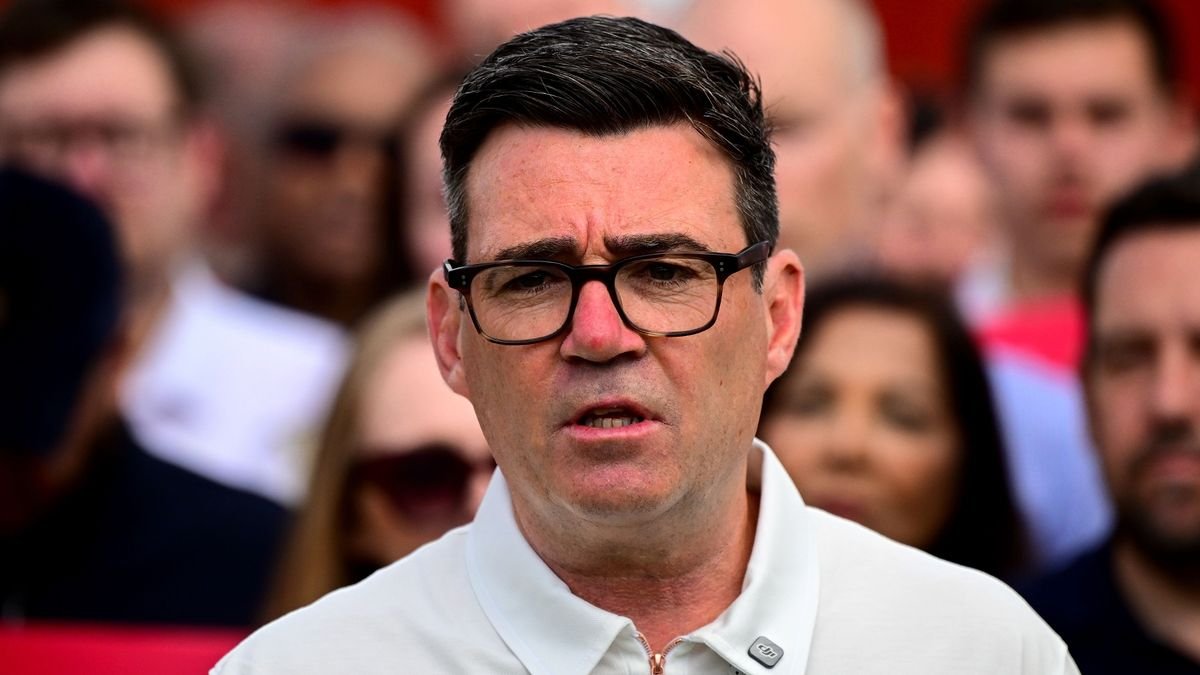

Andy Burnham has been advised to adopt a leadership style akin to a wartime Prime Minister if he assumes the role of Prime Minister, according to Admiral Sir Tony Radakin, the former head of the armed forces. Sir Tony emphasized the importance of Mr. Burnham meeting Keir Starmer’s commitment to increasing defense spending, suggesting that he should apply a “Moscow test” to his policies, a reference to assessing decisions based on their impact on his constituents in the North West.
The impending release of the long-awaited defense investment plan (Dip) as one of Mr. Starmer’s final acts as Prime Minister has put pressure on the incoming government. New Defense Secretary Dan Jarvis has been engaged in discussions regarding the troubled plan following resignations from his predecessor and the Armed Forces Minister over funding disputes.
Sir Tony urged the next Prime Minister to honor Mr. Starmer’s pledge to raise defense spending to 3.5% of GDP by 2035, citing concerns about the inadequacies in Britain’s military capabilities. He stressed the importance of appearing strong to Moscow, maintaining a robust presence in the NATO alliance, and reinforcing the alliance with the United States for national security.
In a message directed at Mr. Burnham, Sir Tony underscored the responsibility of keeping the country safe, likening the role to that of a wartime leader and emphasizing the necessity of investing in national security. He cautioned that current defense spending levels could strain relationships with NATO allies and the United States if commitments are not met.
Highlighting the need for increased funding for daily operations, maintenance, and equipment readiness, Sir Tony emphasized the importance of bolstering the armed forces to fulfill operational requirements effectively. Mr. Burnham reportedly approved the Dip, which is expected to receive an additional £1 billion, bringing the total funding to approximately £15 billion over the next four years, falling short of the estimated £28 billion required for optimal military readiness.
Noteworthy changes in the plan include a £500 million boost for the UK Commando Force, with enhancements such as high-speed boats and strike drones allocated to the elite unit.