


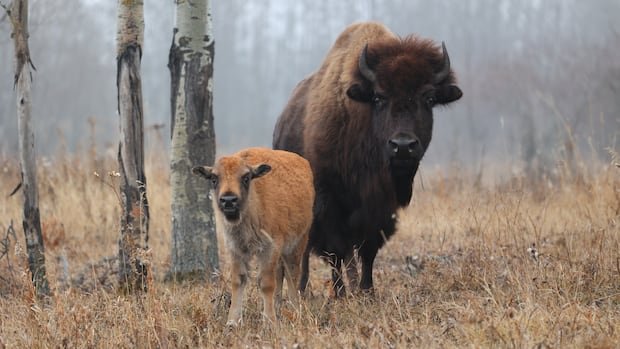

Bison, once widespread across North America in large herds, were nearly wiped out by hunting and human activity. However, new research analyzing their DNA has provided insights into how their populations have changed over time.
Published in the journal Science, the study involved sequencing 160 bison genomes, spanning a history of 20,000 years. Led by paleogeneticist Jonas Oppenheimer and the Paleogenomics Lab at the University of California, Santa Cruz, the research aimed to understand the genetic makeup of bison populations.
The study, involving nearly 40 scientists, revealed that modern bison herds are now fragmented and genetically diverse, unlike their historically homogenous counterparts. This genetic variation poses challenges to their resilience and conservation efforts.
By comparing ancient bison DNA with that of current herds, researchers found that the genetic diversity has been affected by past declines in population. The study highlighted the importance of preserving the distinct genetic signatures of different bison herds.
Wood bison and plains bison were found to be genetically distinct, with wood bison adapted to northern forests and plains bison to open grasslands. The research emphasized the need to manage these subspecies separately to conserve their unique genetic traits.
The study also recommended measures to reconnect isolated bison herds to prevent inbreeding and loss of genetic diversity. By utilizing ancient genomes as a reference, researchers aim to restore genetic flow among bison populations and promote their diversity in natural habitats.
The findings underscore the importance of genetic preservation and informed conservation strategies to ensure the long-term survival of bison populations.