


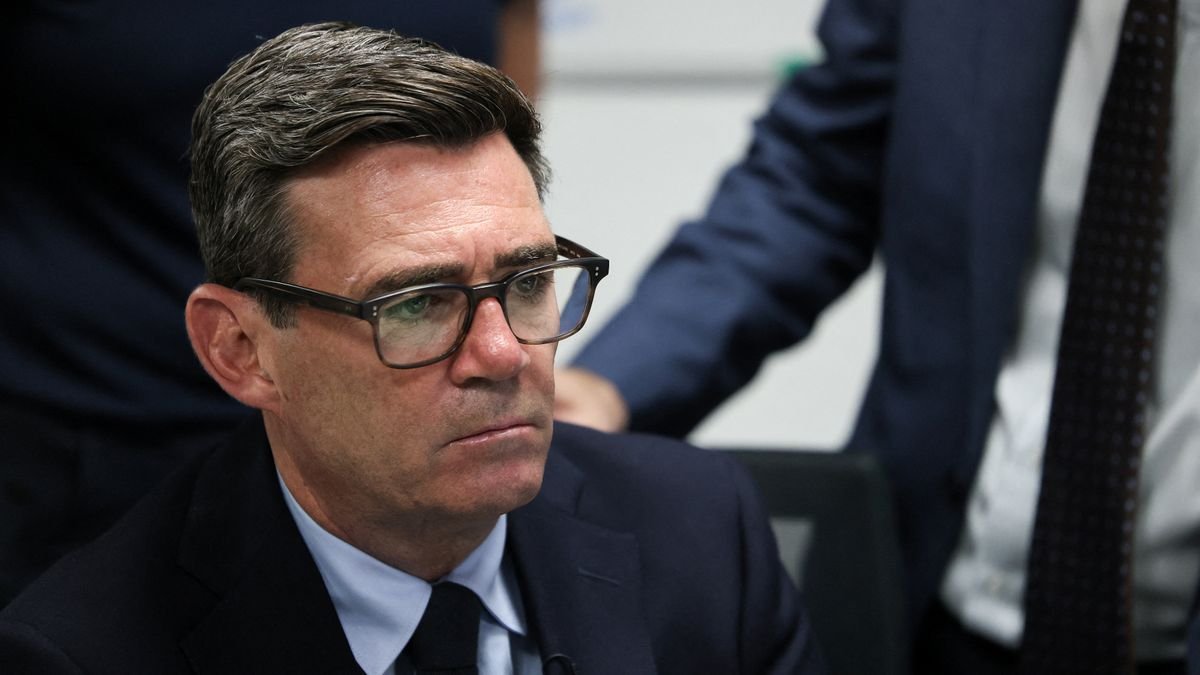

Andy Burnham has declared that individuals convicted of rape, serious child sexual offenses, and grooming will no longer be eligible for early release from prison as part of a sentencing overhaul. The new Prime Minister, who recently halted an early release initiative, expressed a desire to extend the ban to other offenders to prevent their prison terms from being shortened. However, he acknowledged that this might lead to a collapse of the already strained prison system.
The revised Sentencing Act, initially scheduled to take effect in September, was expected to facilitate the release of around 6,000 inmates under the previous scheme created by the Labour government to address overcrowding issues in prisons. Mr. Burnham’s decision to pause the scheme and conduct a rapid review was prompted by concerns about public safety and victims’ well-being.
In a statement, the Prime Minister emphasized the importance of addressing the public’s worries, stating that offenders convicted of rape, serious child sexual offenses, and grooming crimes would be excluded from the revised release regulations. Additionally, he outlined plans for stricter community measures, including increased offender monitoring through tagging, extended supervision periods, and the implementation of stringent rules like restriction zones.
Acknowledging the longstanding neglect of the prison system’s challenges, Mr. Burnham pledged to initiate the most extensive prison construction program since the Victorian era to tackle the ongoing crisis. The review was initiated following public outcry over the potential early release of two individuals involved in the killing of PC Andrew Harper, a police officer hailed as a hero.
The individuals, Jessie Cole and Albert Bowers, who received 13-year sentences for manslaughter in 2020, are not affected by the recent exemptions announced by the government. The changes introduced by the Sentencing Act allow prisoners serving determined sentences to be released after serving a third of their term instead of the previous 40%, subject to stringent conditions like curfews and electronic monitoring.
Furthermore, individuals deemed the most dangerous or serving life sentences were already ineligible for early release. Justice Secretary Alex Norris, in collaboration with the Prime Minister, emphasized the importance of protecting victims and ensuring that offenders face enhanced supervision and penalties upon release.
The government also disclosed a delay in the broader implementation of the Sentencing Act, random drug testing for released offenders, and the introduction of alerts to notify offenders about potential breaches of exclusion zones.