


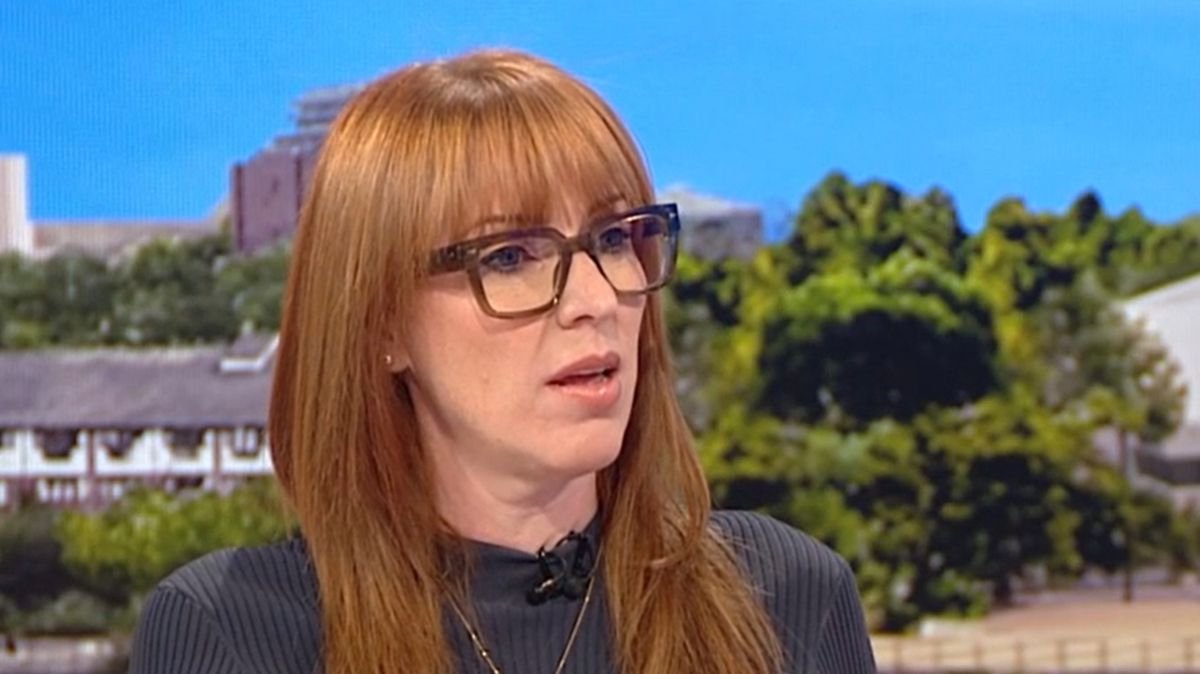

Housing Secretary Angela Rayner has rejected the idea of implementing rent controls in England as part of Andy Burnham’s efforts to address the rising cost of living.
Rayner emphasized that the Renters Rights Act is already making a significant impact on the market by enabling individuals to challenge rent increases through tribunals and discouraging bidding wars for rental properties.
During an interview on BBC Breakfast, Rayner stated that rent controls were not being considered, citing the mixed outcomes seen in places like Scotland. She suggested that the Renters Rights Act was a more effective approach to stabilizing the rental market.
Although the Prime Minister had previously advocated for rent freezes during his time as Greater Manchester Mayor, it appears that rent controls, such as capping price increases or freezing rents temporarily, are currently not part of the government’s plans.
Temporary rent controls were enforced in Scotland in 2022 but expired last year. Legislation set to be introduced next year will grant Scottish ministers the authority to designate rent control areas and empower councils to limit rent increases on certain properties to a maximum of 6%.
While London Mayor Sadiq Khan and Green Party leader Zack Polanski support action on rent, landlord groups have cautioned that such measures could deter property rentals, affecting supply.
Rayner, who recently rejoined the Cabinet after a stint on the backbenches, expressed concerns about the government meeting its manifesto commitment to construct 1.5 million homes by the end of the current Parliament. She acknowledged the challenges posed by rising construction costs but affirmed her determination to uphold the target.
Andy Burnham, in his bid for the Prime Minister role, pledged to initiate the largest council house building initiative since the post-war era, emphasizing the pressing need to address the housing crisis that is straining public finances. While specific details are awaited, Burnham previously proposed a goal of constructing half a million social homes by 2030.
Apart from housing initiatives, Burnham has also considered reforming property and land taxation systems and has advocated for the abolition of stamp duty.