


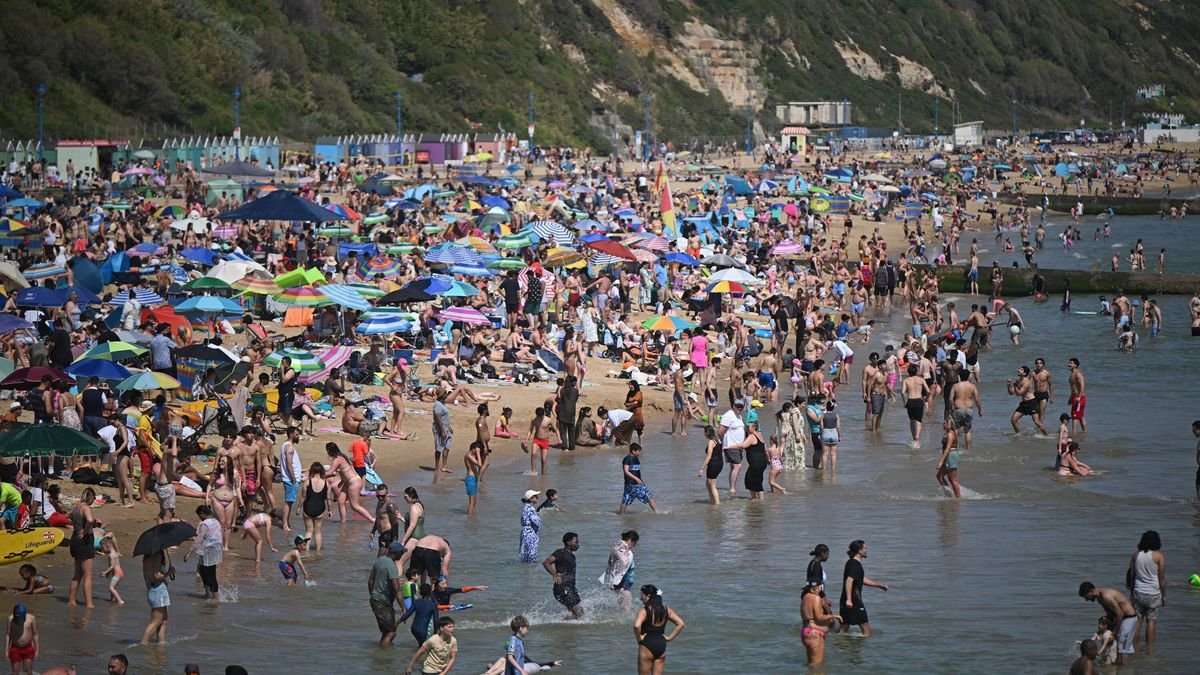

A recent study suggests that the UK economy suffered a £1.15 billion loss and 24 million work hours were missed due to the heatwave that struck last month. The heatwave saw record temperatures soaring to 37.7°C at Lingwood, Strumpshaw Hill on June 26, surpassing the previous high of 35.6°C set in Southampton back in 1976.
During the week starting June 22, workers nationwide had to take time off or adjust their schedules due to the extreme weather conditions. This heatwave was the second of three that hit Western Europe within a span of three months, impacting various sectors like health, infrastructure, water resources, agriculture, and wildlife.
An analysis conducted by the London School of Economics’ Grantham Research Institute on Climate Change and the Euro-Mediterranean Centre on Climate Change (CMCC) revealed that the average reduction in working hours in the UK during the last week of June was 0.47 hours. The study involved 1,950 British adults who shared insights on how the heatwave affected their work hours and routines.
Workers in physically demanding fields like construction and agriculture reported more significant reductions in hours compared to those in less demanding roles such as academia. Approximately 1.25 million workers, representing 3.6% of the surveyed population, didn’t work at all that week due to the heat, resulting in an estimated eight million additional lost work hours and a cost of £0.38 billion to the economy.
Moreover, 87% of respondents experienced health-related issues during the week, ranging from disrupted sleep to more severe symptoms like dizziness and fainting. The survey also highlighted that 5% sought medical attention, and around 3% reported work-related accidents or injuries, with many attributing these incidents to the weather conditions.
Elizabeth Robinson, director of the Grantham Research Institute, emphasized the need for the government to address the challenges posed by extreme heat to ensure worker productivity and well-being. Shouro Dasgupta, an environmental economist at CMCC, pointed out that outdoor and physically demanding workers, often among the lowest-paid, bear the brunt of such extreme weather events, exacerbating existing labor force inequalities.