



Immigration and Customs Enforcement (ICE) officials will now be mandated to utilize body cameras during traffic stops, following two deadly incidents involving ICE within a week.
The shootings have generated widespread criticism and renewed concerns about the aggressive tactics of ICE agents, which have been under scrutiny multiple times recently. At least six individuals lost their lives during the Trump administration’s immigration crackdown in the US, with the most recent fatality occurring at the hands of ICE agents in Minneapolis.
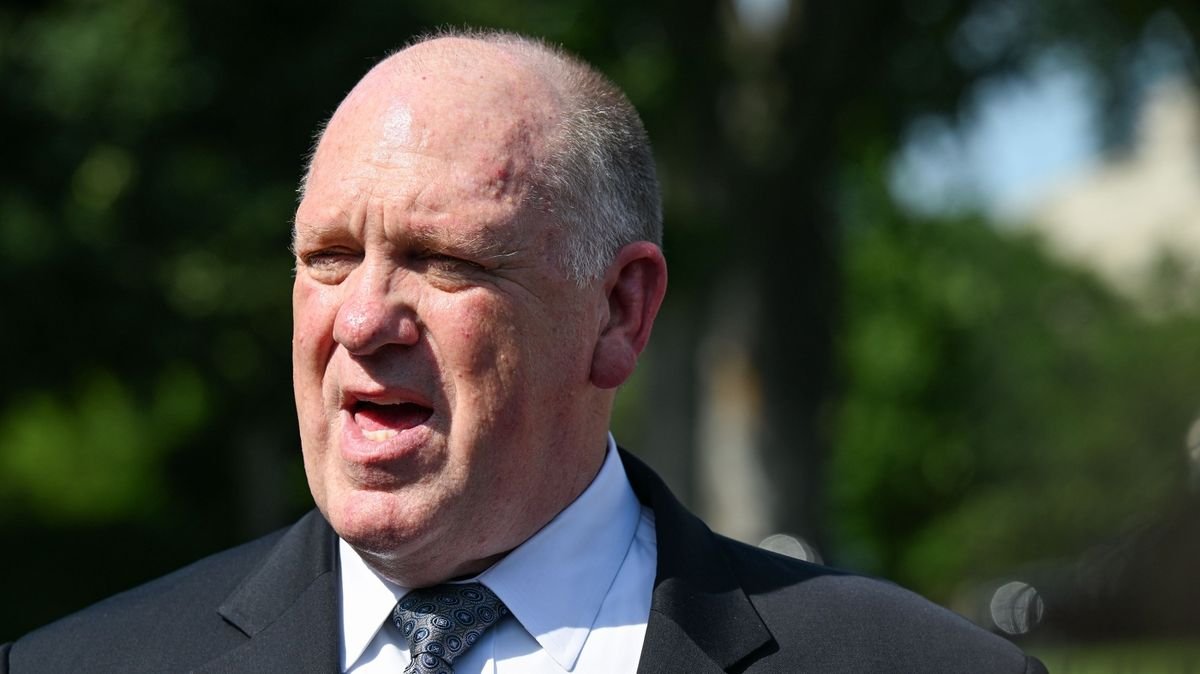
White House border tsar Tom Homan has announced that officers will be instructed to utilize body cameras “whenever possible” as part of the Trump administration’s initiative to expand their usage agency-wide. Homan emphasized the importance of transparency, stating that body cameras help provide a clear record of law enforcement actions.
In a separate interview with CBS News’ Face the Nation, Homan attributed the delay in implementing body cameras to previous government shutdowns led by Democrats. However, he confirmed that cameras are now being procured, distributed, and officers are undergoing training.
ICE has reported that over half of its field offices are already equipped with body cameras, with the remaining offices expected to receive them within the next 60 days.
The decision to enforce body camera usage comes after two fatal shootings involving ICE agents during vehicle stops in Houston, Texas, and Biddeford, Maine. These incidents, where the victims were not the intended targets of immigration operations, have spurred protests and calls for increased accountability.
Critics have emphasized the necessity of body cameras to provide an impartial record of encounters with federal officers, particularly after questioning the transparency of previous incidents involving the Department of Homeland Security.
Homan’s recent statements echo the commitment made by then-Homeland Security Secretary Kristi Noem to equip officers nationwide with body-worn cameras following several fatal shootings during protests in Minnesota. The agency subsequently received additional funding to support the expansion of the program.
In one case, Mexican national Lorenzo Salgado Araujo, a construction worker in Houston, was fatally shot by ICE agents while on his way to work with colleagues. Similarly, in Maine, 26-year-old Joan Sebastian Guerrero, who had work authorization, was killed by an ICE agent during a vehicle stop.
The ex-wife of the agent involved in the Maine incident has expressed concerns about his temperament and the vetting process by ICE. However, ICE has refuted claims of negligence and defended its procedures for officer selection.
While the shootings initially prompted a temporary halt in vehicle stops by ICE, President Trump has since ordered the resumption of the tactic, emphasizing its importance in combating crime.