


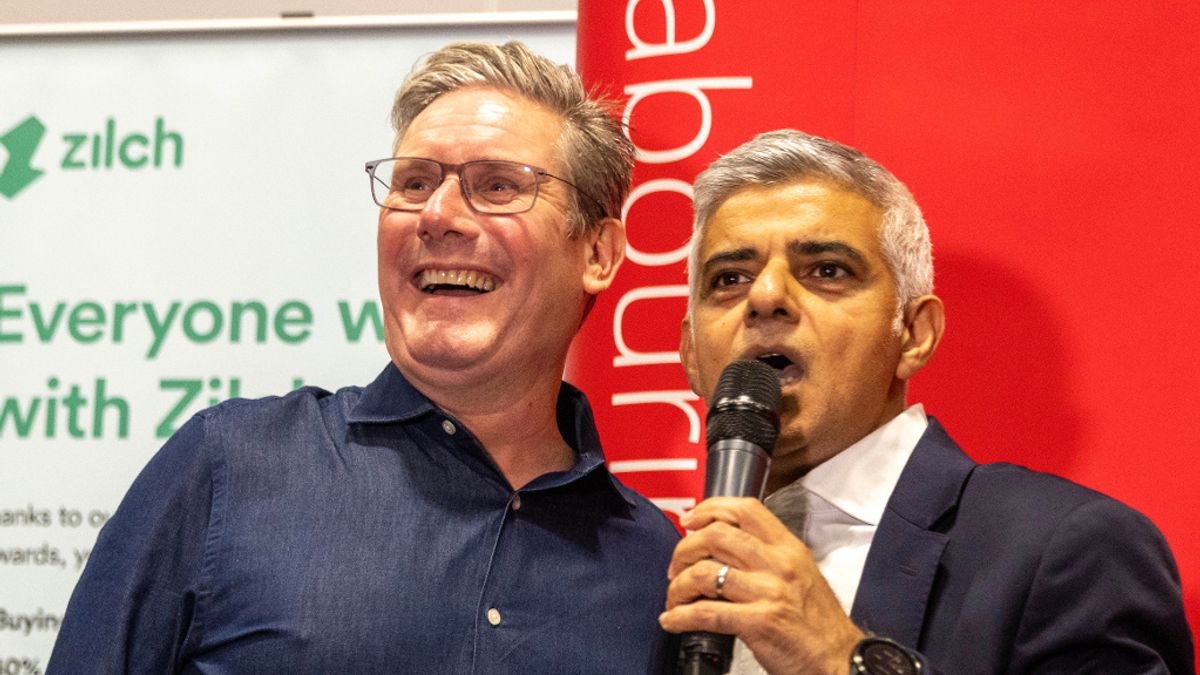

Sadiq Khan has been granted a position in the House of Lords by Keir Starmer as part of a list of political peerages disclosed before Parliament’s summer recess. The Labour London Mayor will soon sit among distinguished figures like former cabinet secretary Sir Chris Wormald and retired senior judge Sir Brian Leveson, who are not aligned with any political party.
The recent list also includes 16 new Labour peers, with individuals such as Christina McAnea, the former head of major union Unison, and Alison Garnham, the CEO of the Child Poverty Action Group, being appointed by the Prime Minister. Additionally, Liberal Democrat Sir Ed Davey and Tory leader Kemi Badenoch each put forward nominations.
The preparation for today’s bipartisan list predates the Prime Minister’s resignation announcement, hinting at a potential separate resignation honours list. Keir Starmer’s recent indication of reconsidering his stance on resignation honours has raised some speculation.
Labour has previously criticized the Tories for what they perceived as overfilling the House of Lords with their supporters. The elevation of Sadiq Khan to the Lords could pave the way for him to join the Cabinet, although his spokesperson clarified that he has no intention of becoming a minister.
While Sadiq Khan has not yet confirmed his participation in the 2028 London mayoral elections, his tenure as Mayor has been commended for significant improvements in London, including reducing crime rates and enhancing environmental initiatives.
Keir Starmer’s list also features notable figures such as Barbara Mills KC, June Sarpong, and Alison Lowe. Other appointees include former Labour MP Kitty Ussher, Parvais Jabbar from The Death Penalty Project, Marcus Davey, and Martin McTague from the Federation of Small Businesses.
Recent legislative changes have abolished hereditary peerages in the House of Lords, addressing concerns about the size of the institution. The House of Lords currently comprises 774 members, with the Conservatives holding the largest share of seats at 246, followed by Labour at 216, and 156 crossbench peers along with 74 Liberal Democrats.