



Health officials in New York City are grappling with a surge in Legionnaires’ disease cases, with dozens of individuals falling ill as authorities work to pinpoint the origin of the dangerous bacteria.
Currently, there have been 46 confirmed cases of the pneumonia-like infection linked to an outbreak centered around Manhattan’s Upper East Side. Among the affected, 22 individuals remain hospitalized, 19 have been discharged for home recovery, and five were treated without requiring hospitalization. Thankfully, there have been no reported fatalities.
In response to the outbreak, a preliminary list of 31 buildings with contaminated cooling towers has been released by New York City officials. Owners of these buildings have been instructed to promptly clean and disinfect their cooling systems while further testing is conducted.
It is important to note that a positive PCR test for Legionella bacteria in cooling towers does not definitively determine the source of the outbreak, as it does not confirm the bacteria’s viability. Culture testing, which could take up to two weeks, is necessary to ascertain the presence of live Legionella bacteria.
Health authorities have cautioned that additional cases may emerge since symptoms of Legionnaires’ disease can manifest between two and 14 days post-exposure. The investigation into the outbreak commenced on July 2 following the identification of two connected cases in the Upper East Side. Over 180 cooling towers have been sampled thus far, with ongoing testing activities over the weekend.
Residents have been reassured by authorities that it is safe to consume tap water, use showers, and operate air conditioners in the affected neighborhoods. They emphasized that there is no heightened risk associated with being inside any of the aforementioned buildings.
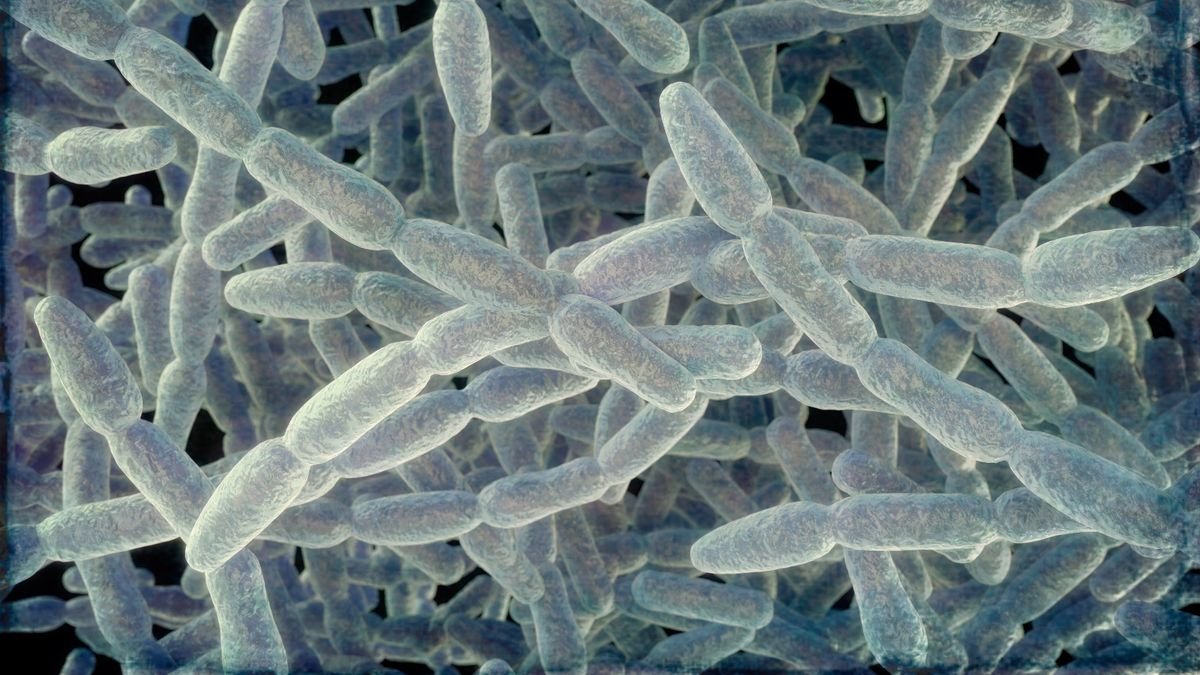
Legionnaires’ disease, caused by Legionella bacteria found in contaminated water droplets, is a severe type of pneumonia. The infection is not transmissible from person to person and is particularly dangerous for individuals over 50, smokers, those with chronic lung conditions, and individuals with weakened immune systems.