


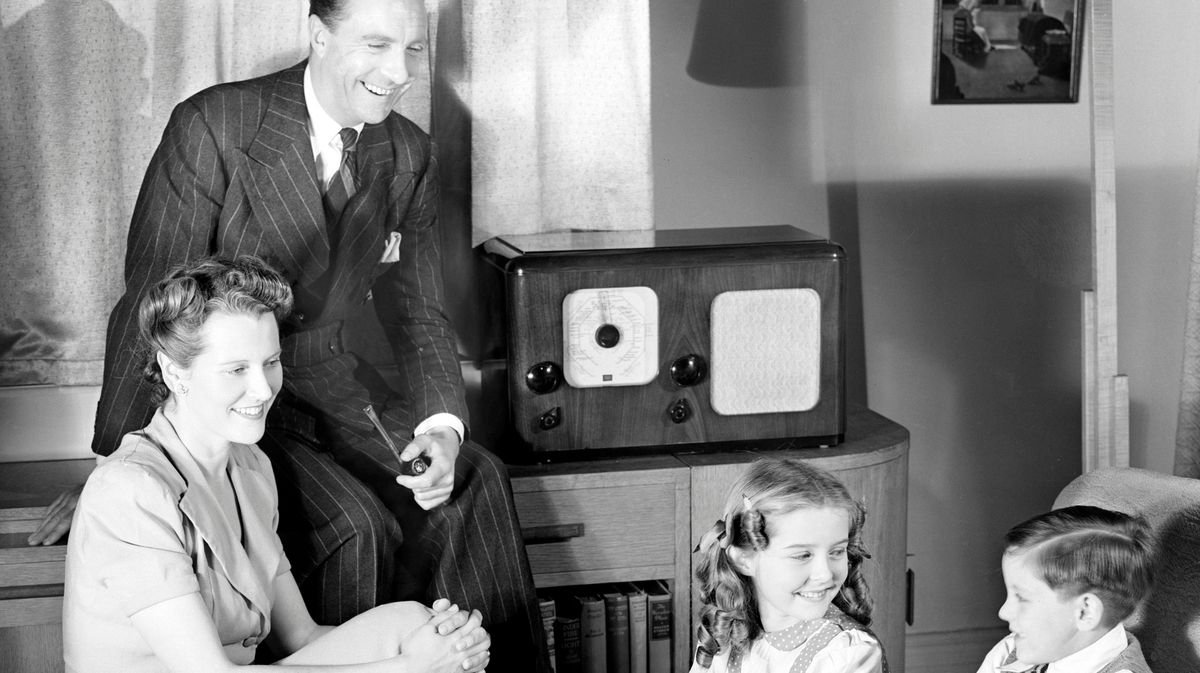

Long wave radio, once the backbone of iconic programs like the Shipping Forecast and Test Match Special, bid its farewell this week, marking the end of an era. The technology, pioneered by Guglielmo Marconi in the early 20th century, allowed for national broadcasting with its ability to cover vast distances. The BBC’s experiments with long wave began in 1925, coinciding with the launch of the Shipping Forecast.
Initially used for the National Programme and later the Home Service, long wave radio played a crucial role during World War II, broadcasting Winston Churchill’s speeches to over 20 million listeners. Dr. Graham Majin, a media specialist, emphasized the significance of long wave radio in uniting the nation through shared listening experiences.
The closure of long wave radio, despite protests from radio enthusiasts and organizations like Age UK, was attributed to cost considerations and technological advancements. The last Shipping Forecast on long wave aired in June, signaling the end of 92 years of service. While the shift to digital platforms offers more choices, Graham expressed concerns about the potential impact on societal unity and shared experiences.
Efforts are underway to preserve the heritage of long wave transmitters, with campaigns advocating for their protection. The BBC’s decision to end long wave broadcasts aligns with the changing media landscape, with alternative platforms like FM and digital radio offering widespread accessibility. Despite the shift towards digital media, some enthusiasts believe in the enduring appeal of analog broadcasting, drawing parallels to the resurgence of vinyl records and physical books in the digital age.