


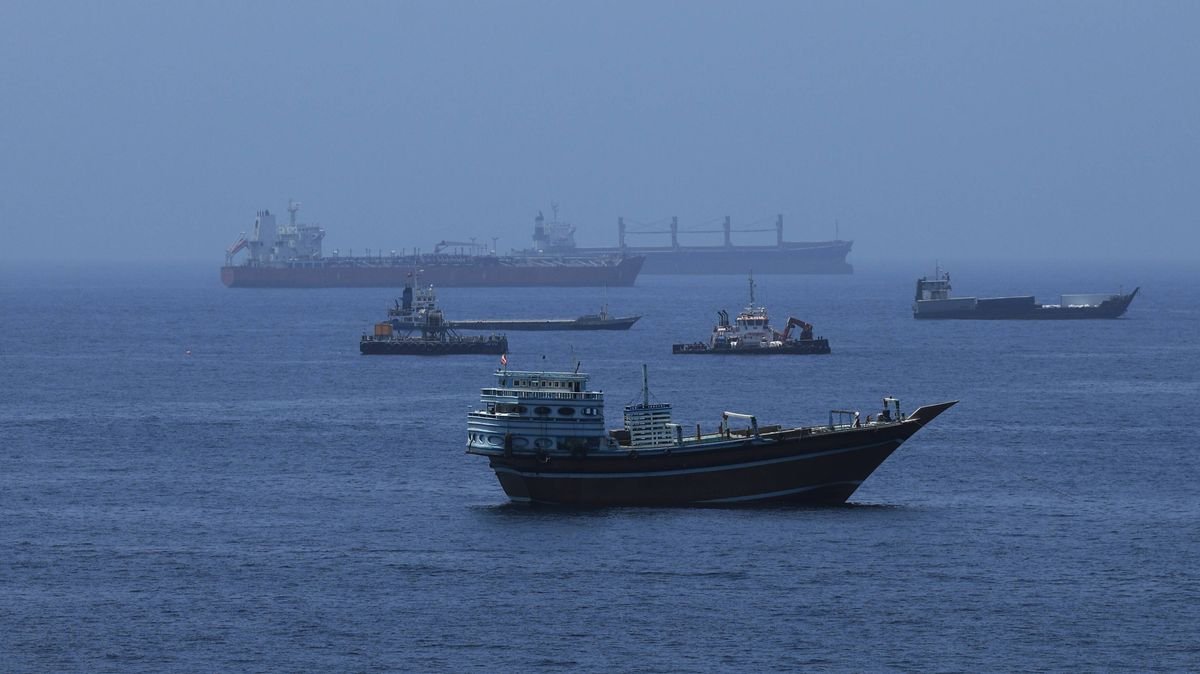

Iran’s joint military command has issued a stern warning to oil tankers passing through the Strait of Hormuz, emphasizing the need to adhere to the approved route or face significant consequences.
This caution, announced on July 2, comes amidst escalating tensions surrounding the crucial waterway for oil supply. Negotiations concerning the strait have been a focal point in the efforts to resolve the conflict between Iran and nations like the US and Israel, triggered by joint strikes on key Iranian sites in late February.
The Khatam al-Anbiya military command’s statement, as relayed by Iranian state television, followed discussions between US and Iranian diplomats with mediators in Qatar the previous day.
The motive behind Iran’s recent warning to oil tankers navigating the Strait of Hormuz remains unclear. However, the US military’s Central Command released a statement after a meeting with Middle Eastern officials in Bahrain emphasizing a shared commitment to ensuring unimpeded commerce through the strait, potentially provoking Iran.
In their statement, Iran explicitly stated that any deviation from the designated route or failure to comply with navigation protocols would be met with an immediate and forceful response from their armed forces, jeopardizing the safety of the violating vessels. They also warned of rapid and decisive reactions to any interference by US forces in the strait.
While Iran and the US agreed to a 60-day period where ships could transit without charges, Tehran insists on controlling vessel routes and imposing fees later, a stance opposed by the US and several Gulf Arab states due to the disruption it would cause to longstanding practices in the strait.
Recent attempts to establish a new route near Oman’s coast, led by Oman and a United Nations agency, resulted in attacks across the Middle East last weekend. Despite these incidents, ship traffic in the strait has shown signs of recovery, with 258 ships passing through last week compared to 138 the week prior. However, traffic levels remain below those observed before the conflict, where around 130 ships traversed the strait daily.