


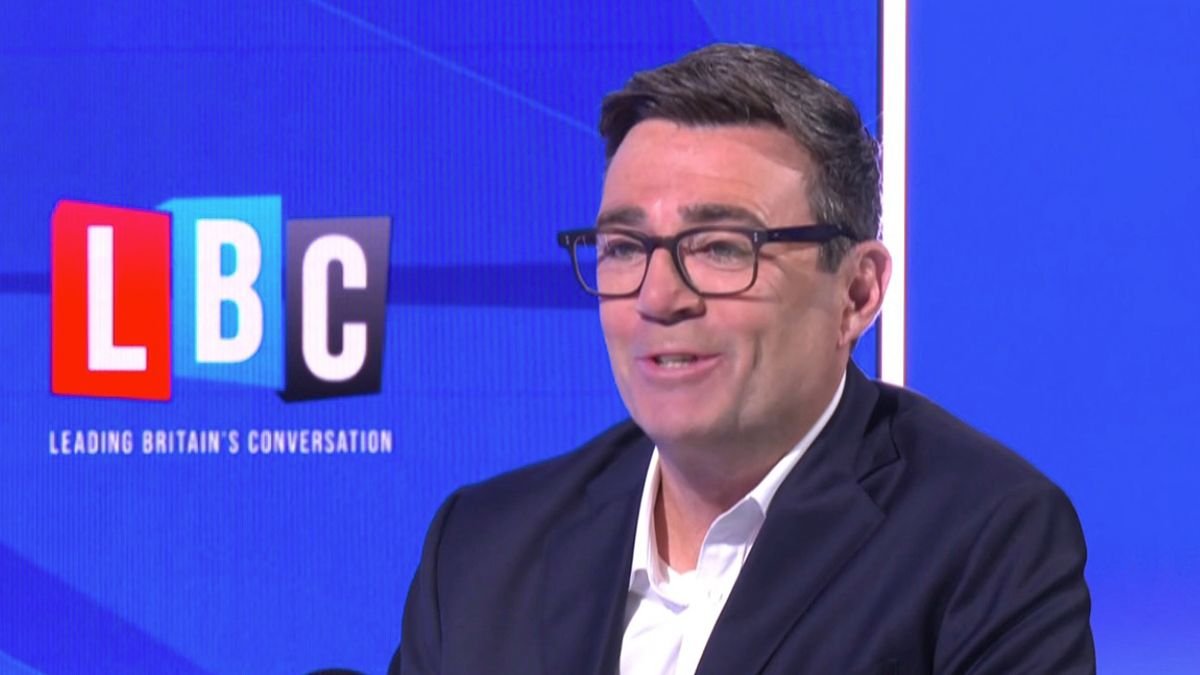

Andy Burnham has rejected the idea of making drastic cuts to benefits that would further plunge individuals into poverty. The prospective Prime Minister emphasized his intention to pursue a different strategy in reducing the welfare expenditure, focusing on aiding young people in securing employment. He affirmed his commitment to upholding Labour’s manifesto promises on taxes and highlighted the necessity for alleviating the burden of energy costs on Britons.
This stance on welfare follows a previous government initiative led by Keir Starmer to reduce sickness and disability benefits by £5 billion, a plan that was eventually scrapped. Burnham expressed his opposition to harsh benefit reductions, citing the adverse impact on vulnerable individuals and the potential for social backlash. He proposed an alternative method of lowering the overall benefits bill by enhancing support for young people entering the workforce.
Additionally, Burnham outlined his vision for the education system, advocating for a balanced approach that incorporates technical qualifications alongside traditional academic pathways. He emphasized the need for work placements and apprenticeship opportunities for 16 to 18-year-olds to provide clear career trajectories beyond academic pursuits.
Regarding taxation, Burnham affirmed his adherence to Labour’s tax policy outlined in the manifesto while also suggesting a potential reevaluation of business rates to benefit smaller enterprises. He underlined the importance of fair taxation practices and proposed adjustments to support local businesses and reduce the tax burden on certain sectors.
In addressing energy costs, Burnham acknowledged the financial strain faced by individuals and businesses alike, pledging to prioritize initiatives aimed at reducing energy expenses. He emphasized the significance of public control over essential services such as water, energy, and transport to facilitate cost reduction and provide economic relief to households and enterprises.
Furthermore, Burnham expressed his desire for a more collaborative and inclusive approach within Westminster, advocating for a shift towards fostering a sense of teamwork and empowerment among MPs. He criticized the punitive use of party discipline and highlighted the importance of accommodating diverse viewpoints within the government structure.
As speculation circulates about potential cabinet appointments, Burnham disclosed that he has yet to finalize his selection for the position of Chancellor. He emphasized his focus on outlining a new national direction based on policies rather than individual personalities, signaling his commitment to setting a distinct course for the country.