


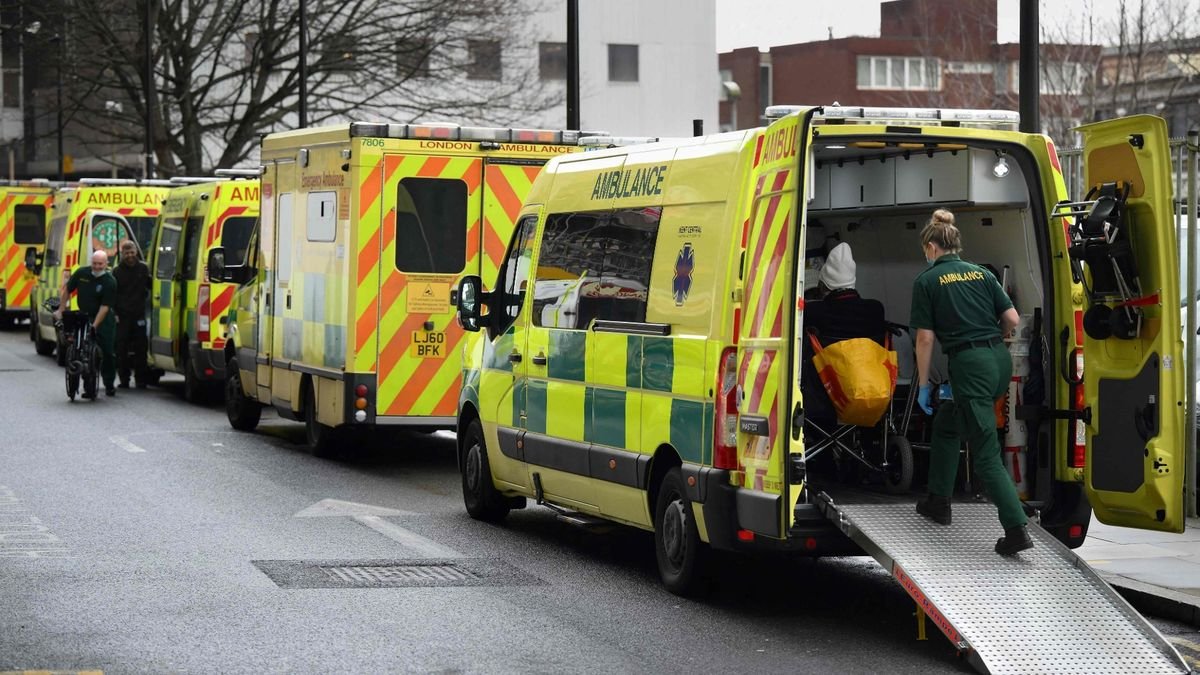

A significant UK ambulance service has announced a critical incident in response to the increasing pressure caused by the ongoing heatwave. With soaring temperatures across the UK, ambulance services, including those in the East Midlands, have been under immense strain. The East Midlands Ambulance Service (EMAS) declared a critical incident on Saturday due to the unprecedented heatwave.
EMAS noted a notable surge in demand for its services, in conjunction with the overall strain within the NHS. The service is currently prioritizing its response to the most severe and life-threatening cases. EMAS emphasized the importance of utilizing NHS services judiciously, as reported by Derbyshire Live.
In a released statement, EMAS highlighted the challenges posed by the extreme heatwave and the increased demand for services within the NHS. The service is actively collaborating with hospitals to ensure efficient patient handover, enabling ambulance crews to promptly return to emergency calls. EMAS is also working with healthcare providers to direct non life-threatening cases to appropriate care.
In response to the escalating situation, EMAS, like many NHS organizations, has been diligently addressing patient needs and taking internal actions to mitigate risks. The declaration of a critical incident aims to secure additional support and minimize the potential for avoidable harm to patients. The public is urged to use NHS services wisely and manage long-term conditions responsibly.
As EMAS reached Resource Escalation Action Plan (REAP) Level 4 on Monday, the highest level of escalation, immediate actions are imperative to prevent service failure. A critical incident is defined as a scenario where an organization faces disruptions that impede its ability to deliver critical services, necessitating special measures and external support to restore normal functions.
Chesterfield Royal Hospital emphasized the strain on services over the weekend and encouraged the public to seek alternative services for non-emergency medical issues. It is crucial for individuals to act responsibly and avoid unnecessary risks during this period of heightened weather-related pressures.