


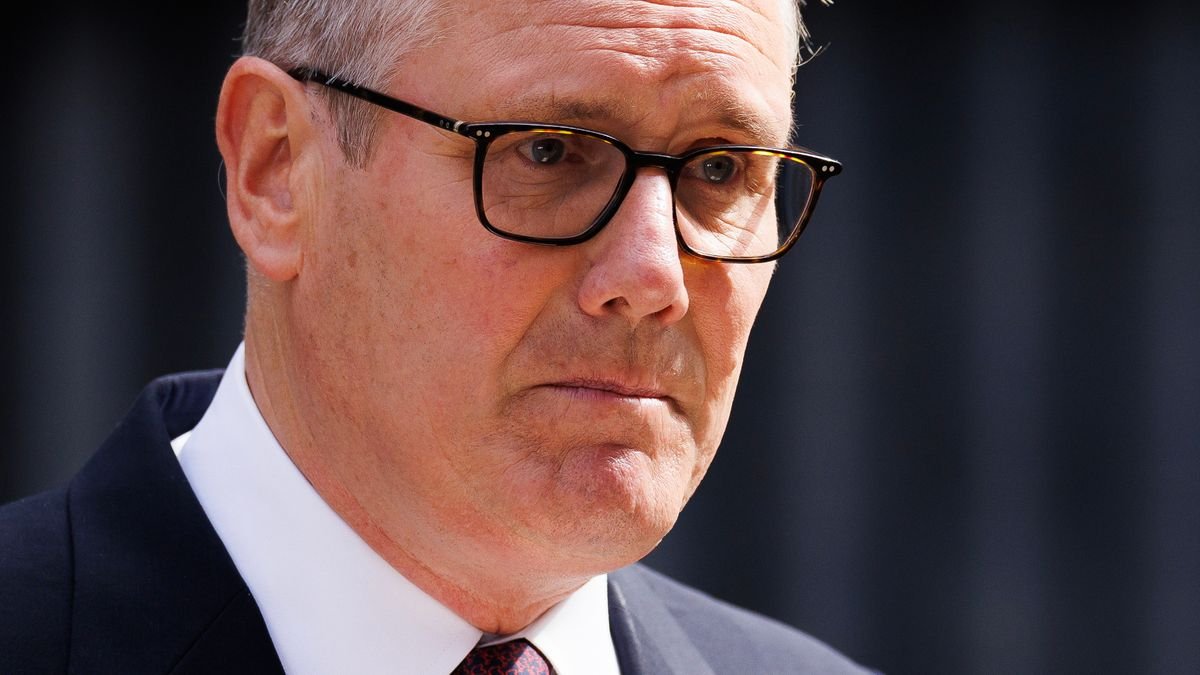

The turnover of British Prime Ministers over the past decade has been driven by significant rifts stemming from Brexit and leaders assuming office without clear strategies, according to experts. With Keir Starmer’s impending exit from No10, the UK appears poised to welcome its seventh PM in ten years in the form of Andy Burnham, the former Mayor of Greater Manchester. Starmer’s resignation announcement this week is expected to pave the way for Burnham to take over without a contest.
This succession follows a period of political turmoil, with Conservative leaders such as David Cameron, Theresa May, Boris Johnson, and Liz Truss being prematurely ousted from office. A common theme among many of these leaders was a breakdown in party discipline. While Brexit played a role in the upheaval, the inability to maintain party unity was identified as a key factor contributing to the downfall of these leaders, as highlighted by polling expert Sir John Curtice.
Sir John pointed out that the challenges faced by various Prime Ministers differed, with Brexit being a defining issue for some, while others struggled due to issues unrelated to Brexit. He emphasized the importance of party cohesion and the ability to communicate effectively with both MPs and the public.
Despite the whirlwind of changes in leadership, Sir John expressed optimism about Andy Burnham’s potential to lead effectively. He noted Burnham’s ability to connect with people and create a compelling narrative for his government, which could resonate with voters and provide a sense of direction.
Hannah White, CEO of the Institute for Government, attributed part of the crisis to incoming Prime Ministers lacking a clear vision for addressing the country’s challenges. She highlighted the need for leaders to be adequately prepared and equipped with well-thought-out plans to drive meaningful change.
Moreover, former Tory Justice Secretary Sir Robert Buckland underscored the importance of having a robust plan in place for effective governance. He acknowledged the evolving landscape of political communication and the need for politicians to adapt to new media channels to control narratives and engage effectively with the public.
In the context of Labour MPs’ discontent under Starmer’s leadership, concerns were raised about the government’s failure to prioritize public approval and provide compelling reasons for policy support. The prospect of Burnham assuming leadership was met with optimism, with expectations of improved discipline and stronger communication with party members.
Amidst these challenges, there is a growing demand from the public for swift and impactful actions from the government, particularly in times of crisis. The evolving expectations of voters underscore the need for leaders to demonstrate a deep understanding of people’s lives and act decisively to address pressing issues.