



Iran peace negotiations face significant challenges as conflicting statements on the nuclear issue and the Strait of Hormuz have emerged, leading to Israel describing the talks as a “train wreck.” US Secretary of State Marco Rubio asserted that Iran does not have the authority to impose tolls on the Strait of Hormuz, while Iran refuted US claims regarding the re-entry of nuclear inspectors into the country.
The situation escalated after US President Donald Trump announced that Tehran had agreed to extensive monitoring, a claim promptly denied by Iran, stating that no such agreement had been reached. The ongoing process to establish lasting peace in the Middle East faces potential derailment if tensions escalate further between Lebanon and Israeli forces.
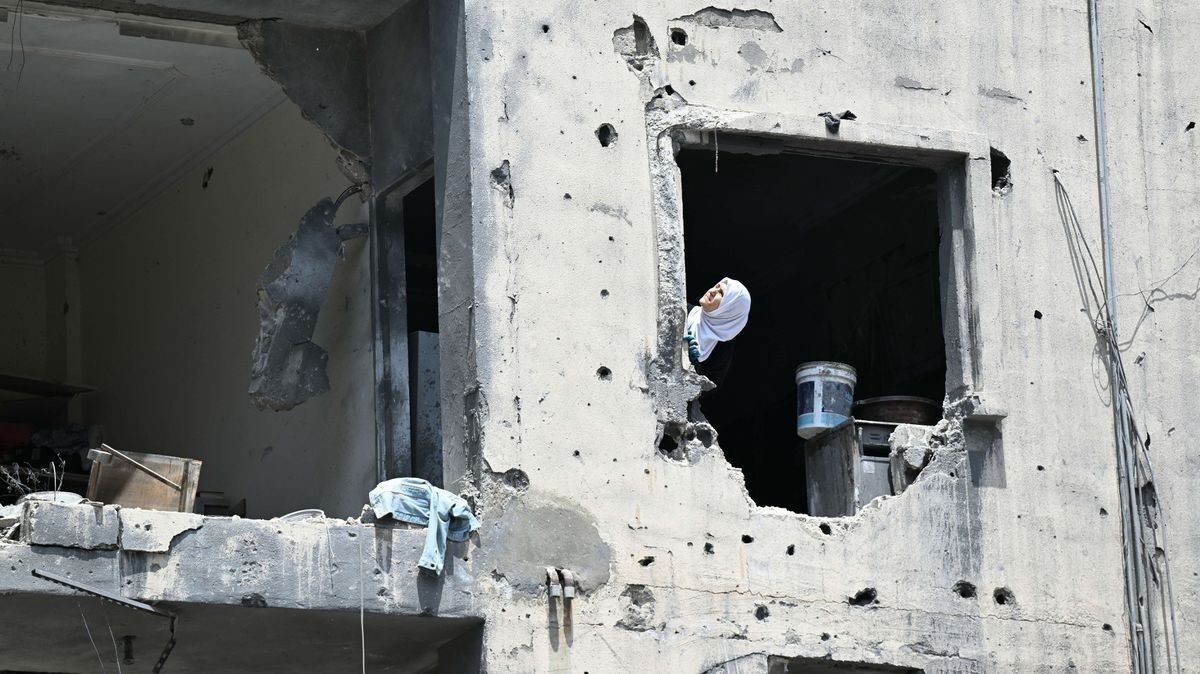
Tensions heightened when Israeli forces in southern Lebanon killed two locals, claiming they posed a threat, nearly jeopardizing a ceasefire. A recent agreement between the US and Iran includes a 60-day ceasefire and a commitment to avoid hostilities between Israel and Hezbollah.
However, clashes between Israel and Hezbollah resulted in numerous casualties in Lebanon until a fragile ceasefire was established on Friday. The presence of Hezbollah has become a pivotal issue in the Iranian negotiations, with Tehran insisting on Lebanon’s involvement in a peace agreement, while Israel opposes this stance. Israeli Ambassador to the US Yechiel Leiter expressed frustration over the US advancing talks without addressing Lebanon in a comprehensive settlement.
Leiter emphasized the necessity of disarming Hezbollah for peace in Lebanon, warning of potential conflict escalation otherwise. He urged for a unified approach towards achieving peace, with Iran withdrawing its influence from Lebanon and disarming Hezbollah.
Iran’s President Masoud Pezeshkian declared that Tehran’s ballistic missile program is not up for negotiation, citing its critical role in defending the country. The issue of Iran’s missile capabilities has been a contentious point with Israel, which has pushed for their inclusion in the discussions. Pezeshkian asserted that Iran will safeguard its defensive capabilities and will not entertain negotiations on the matter.
The future of the peace talks remains uncertain as key issues surrounding the nuclear program, regional conflicts, and defense capabilities continue to pose challenges to reaching a comprehensive agreement.