


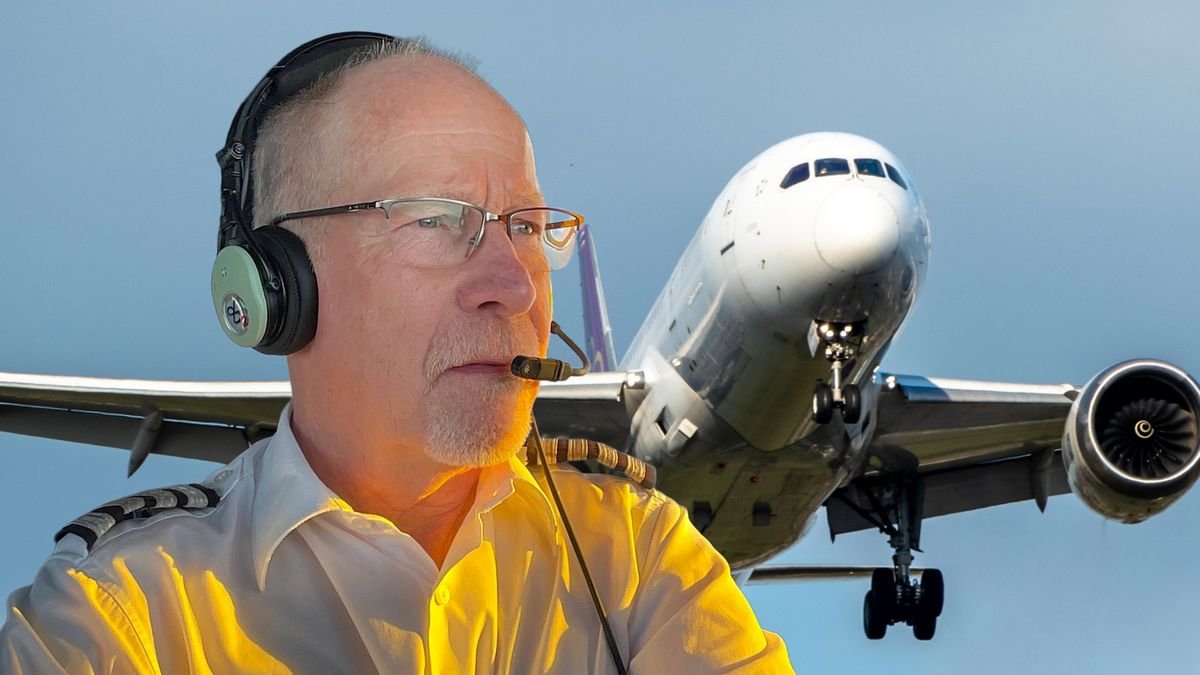

Fear of flying, known as aviophobia, is a common experience that can lead to anxiety for many travelers. This fear often stems from feeling powerless in the face of the unknown environment of an airplane. Seeking reassurance and answers, nervous passengers may turn to online forums or social media for tips, but speaking directly to experienced pilots can provide valuable insights.
Simon Tranter, a seasoned pilot with extensive flight hours in both military and commercial aviation, emphasizes that the safety of an airline is not determined by the price of a ticket. All airlines must adhere to strict regulatory laws and safety standards, regardless of their business model. Budget airlines, in fact, often operate newer aircraft equipped with advanced safety technology.
Dan Bubb, a former commercial pilot and aviation instructor, echoes this sentiment by highlighting that all airline pilots undergo rigorous training and are held to the same high standards, regardless of the size or type of aircraft they fly. The age or cost of the plane does not compromise its safety features.
Regarding the common concern about turbulence, Simon explains that while turbulence can be uncomfortable, it rarely poses a significant threat to the safety of the aircraft. He likens it to driving over cobblestones, emphasizing the importance of fastening seatbelts to prevent spills or injuries during sudden bumps.
Dispelling myths about airplane doors, Simon clarifies that the design of aircraft doors, sealed by cabin pressure, makes it impossible for passengers to open them during flight. Despite occasional incidents, such as attempted door openings, the safety mechanisms in place prevent any unauthorized access.
In the event of emergencies, cabin crew are extensively trained to handle situations calmly and discreetly to maintain passenger safety and confidence. By remaining composed and following well-rehearsed procedures, flight attendants help ensure a secure environment for all onboard.
Simon emphasizes the redundancy and safety measures built into modern airliners, highlighting that even in rare scenarios like engine failures, planes are capable of landing safely. The extensive training and experience of pilots enable them to handle unexpected situations with precision and professionalism, ensuring the well-being of passengers.
Overall, statistics support the safety of commercial air travel, with the likelihood of a fatal accident being incredibly low compared to other everyday risks. The expertise and dedication of pilots, coupled with advanced technology and strict safety protocols, contribute to the high level of safety maintained in the aviation industry.